Onir Resources
Sinclair Method vs Daily Naltrexone Compared
Trying to pick between TSM and daily naltrexone? Compare the two protocols side by side, including evidence and candidacy, before deciding.

By Justine Fowey, Onir Health Editorial Team
· Updated
You're looking at naltrexone and trying to figure out whether the Sinclair Method or daily dosing makes more sense for you. Fair question. They use the same medication, but the when and the why behind each approach are different enough that picking the wrong fit can leave you frustrated. We'll break down how each one actually works so you can match the protocol to your routine, your goals, and the way you actually drink.
TLDR:
- TSM means taking naltrexone only before drinking; daily naltrexone keeps receptors blocked around the clock
- Your drinking pattern decides the better fit: predictable schedule suits TSM, spontaneous drinking suits daily dosing
- TSM's 78% success rate is cited often, but daily naltrexone has stronger large-trial evidence behind it
- One unmedicated drink on TSM can re-reinforce old cravings, which is the protocol's biggest vulnerability
- Onir prescribes daily naltrexone at $99/month via telehealth in all 50 states, with no insurance claim filed
What Is the Sinclair Method?
The Sinclair Method (TSM) is an evidence-based treatment for alcohol use disorder developed by Dr. John David Sinclair, a researcher who spent decades studying how the brain learns to crave alcohol. The core idea is simple: take a 50 mg naltrexone tablet one hour before you drink, every time you drink. Unlike abstinence-based programs that ask you to stop drinking from day one, TSM actually requires you to keep drinking while on the medication.
Why? Because naltrexone is an opioid antagonist that blocks the rewarding effects of alcohol by binding to opioid receptors in the brain. When those receptors are blocked, the endorphin rush you normally get from a drink has nowhere to land. Over weeks and months, your brain slowly unlearns the connection between alcohol and pleasure. Sinclair called this process pharmacological extinction.
Naltrexone was FDA approved for alcohol dependence in 1994, but what makes TSM distinct is the timing. You take the pill only on days you plan to drink, and always at least an hour beforehand. On days you don't drink, you skip it. That targeted dosing schedule is the defining feature that separates TSM from the more common daily naltrexone approach, which we'll cover shortly.
How Pharmacological Extinction Works
That targeted dosing works because of a process called pharmacological extinction. Every time you take a sip of alcohol, your brain releases endorphins that activate opioid receptors. Those receptors register the experience as rewarding, and your brain files it away: drinking equals pleasure. Repeat that cycle hundreds or thousands of times, and the association becomes deeply wired. You don't decide to crave a drink at 5 p.m. Your brain has already made the decision for you.
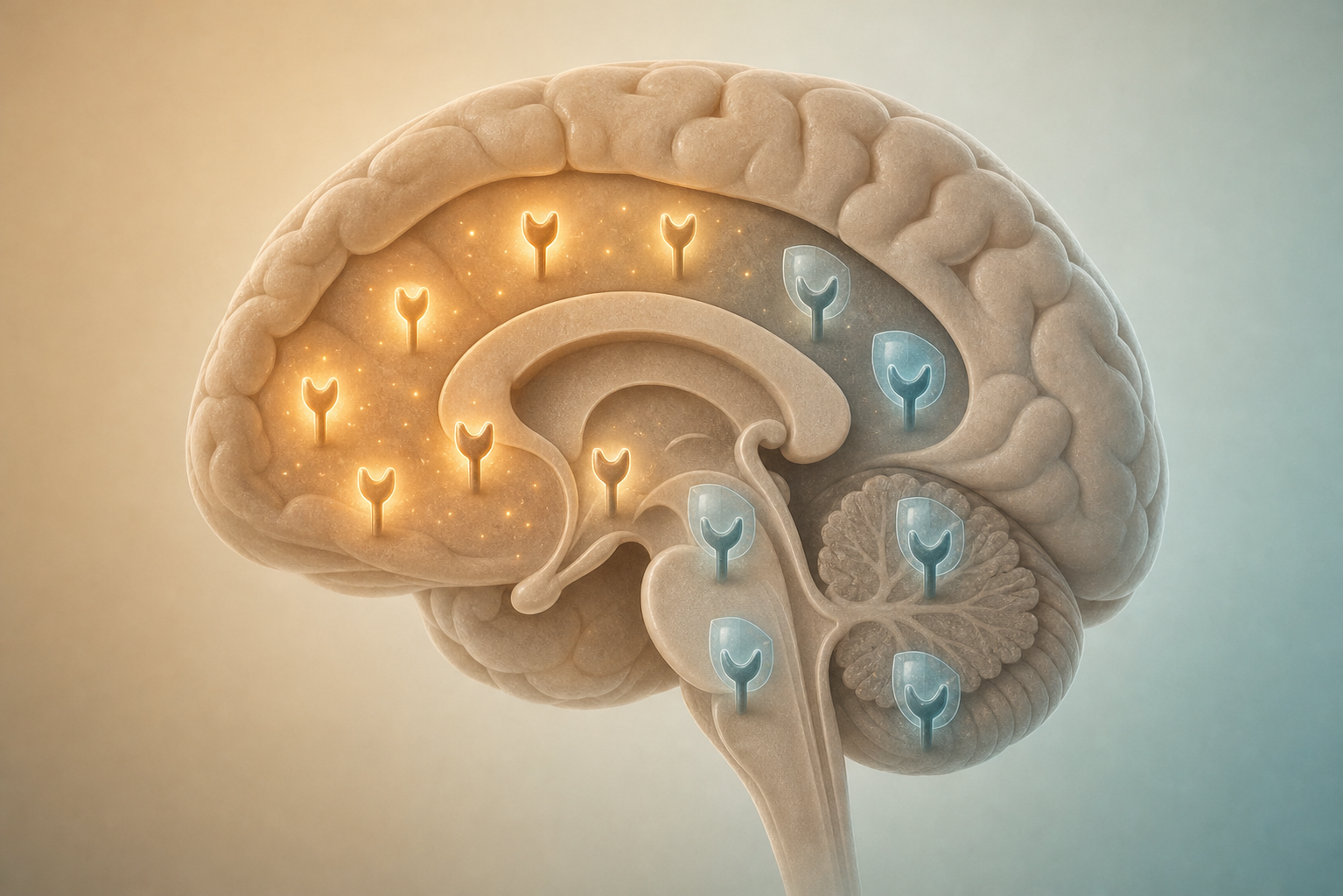
Pharmacological extinction reverses that wiring. When naltrexone occupies your opioid receptors before you drink, the endorphins still release, but they have nowhere to bind. The "buzz" is muted. Your brain registers the drinking session as unremarkable, maybe even boring. Do this consistently, session after session, and the reinforcement loop weakens. The craving doesn't get fed, so it gradually fades.
The key insight behind pharmacological extinction is that the brain can unlearn a behavior the same way it learned it, but only if the reward is blocked while the behavior is happening.
Timing is everything here. Naltrexone needs 60 to 90 minutes to reach effective levels in the bloodstream. Taking it after you've already started drinking means endorphins have already hit those receptors, and the reinforcement has already registered. That window before drinking is what makes the extinction process possible.
The Sinclair Method Protocol Step by Step
In practice, TSM follows a repeatable routine. Here's what it looks like:
- Get a prescription for 50 mg naltrexone from a licensed clinician familiar with the method.
- On any day you plan to drink, take one tablet at least one hour before your first drink. This waiting period lets the medication reach effective levels.
- Drink as you normally would. The method requires alcohol because extinction only happens when the behavior occurs without the reward.
- On days you don't drink, skip the pill. There's no reason to take it if no alcohol is involved.
- Track your drinks. A simple log helps you and your clinician spot patterns and measure progress.
Most people notice a shift within the first few weeks, following a naltrexone work timeline where drinks feel less satisfying, easier to put down. Over roughly three to four months of consistent use, cravings weaken and total consumption drops. The timeline varies, but the mechanism depends on repetition, not willpower.
Skipping the pill even once before drinking can undo progress, because that session re-reinforces the old reward pathway. Consistency with the timing matters more than anything else in the protocol.
Daily Naltrexone: How It Differs From TSM
Daily naltrexone follows one of several naltrexone dosing schedules: you take a 50 mg tablet every day, usually in the morning, whether or not you plan to drink. This is the dosing schedule used in the majority of large clinical trials for alcohol use disorder, including the studies behind naltrexone's original FDA approval. When your doctor prescribes naltrexone without mentioning TSM by name, this is almost certainly what they mean.
The goal with daily dosing is different in emphasis. Instead of targeting the reward response during a specific drinking session, daily naltrexone keeps opioid receptors blocked around the clock. The idea is to reduce baseline cravings so the urge to drink stays weaker throughout the day. Some people on a daily protocol choose to drink less; others aim for full abstinence with the medication as a safety net that dulls the pull.
Where TSM requires drinking to work (extinction needs the behavior paired with a blocked reward), daily naltrexone is compatible with abstinence goals. You don't have to drink on it. Many clinicians prefer that you don't, especially if you've already stopped and want help staying there. TSM treats each drinking session as a training opportunity; daily dosing treats the craving itself as the thing to quiet.
Sinclair Method vs Daily Naltrexone: Key Differences Compared
The differences between these two approaches come down to four things: when you take the pill, what you do with alcohol, how the medication does its work, and how much day-to-day planning is involved.
Sinclair Method (TSM) | Daily Naltrexone | |
|---|---|---|
Dosing schedule | 50 mg taken 1 hour before drinking; skipped on alcohol-free days | 50 mg taken every day, regardless of drinking |
Relationship to alcohol | Continued drinking is required for extinction to occur | Compatible with moderation or full abstinence |
Primary mechanism | Targeted extinction of the drinking-reward link during each session | Steady craving suppression through constant receptor blockade |
Planning required | Must anticipate drinking and time the dose; unplanned drinks are a risk | Low daily planning; take at the same time each morning |
If your weeks are unpredictable and you can't always know an hour ahead whether you'll have a drink, daily dosing removes the guesswork. If you drink on a predictable schedule and want medication-free days, TSM's targeted approach may feel like a better fit. Neither method is objectively better; the right choice depends on your goals, your drinking pattern, and how much structure you want. And if neither one works out, there are alternatives to naltrexone worth discussing with your clinician.
Does the Sinclair Method Work? What the Evidence Shows
Advocates of the Sinclair Method often cite a 78% success rate from clinical trials, a figure that has circulated widely across TSM blogs and forums. That number comes from Dr. Sinclair's own research, and while it's encouraging, it deserves context. The specific TSM protocol has a smaller evidence base than daily naltrexone. Most large randomized controlled trials tested daily dosing, not targeted, as-needed use.
The broader case for naltrexone itself is solid. A 2024 JAMA meta-analysis of AUD pharmacotherapies found naltrexone among the medications associated with reduced return to drinking. Daily naltrexone has been the subject of numerous large RCTs; as-needed dosing has fewer, though existing results are promising.
If you're reading Sinclair Method reviews or broader naltrexone user reviews trying to decide whether TSM is legitimate, the straightforward answer is that the pharmacology is well supported, but the specific as-needed protocol hasn't been tested as rigorously as daily use. That gap doesn't invalidate TSM; it just means the evidence is still catching up to the practice.
Pros and Cons of the Sinclair Method
Pros
- Does not require abstinence from day one, which lowers the barrier for people who aren't ready or willing to stop drinking entirely.
- Uses naltrexone, an FDA-approved medication with over 30 years of clinical history and a well-understood safety profile.
- Because you only take the pill before drinking, your body isn't processing naltrexone on days you don't drink.
- Many people find the gradual reduction less psychologically jarring than going cold turkey.
Cons
- Requires near-perfect discipline with timing. One unmedicated drinking session can reinforce the old reward pathway, and unplanned drinks are a real vulnerability.
- Not an option if you currently use opioids of any kind. Naltrexone will trigger immediate, severe withdrawal in anyone with recent opioid exposure (within the past 7 to 10 days).
- Continued drinking, even with the reward blunted, still carries health risks to your liver, sleep, and cardiovascular system, which is why understanding drinking on naltrexone matters before you start. Some clinicians are uncomfortable recommending a protocol that asks patients to keep drinking.
- The specific as-needed protocol has been studied in fewer large U.S. trials than daily naltrexone, which means long-term outcome data is thinner.
A recurring concern on Sinclair method Reddit threads and TSM forums is what happens when life gets messy: a spontaneous happy hour, a last-minute dinner invitation, a night you simply forgot to plan ahead. Daily naltrexone sidesteps that problem because the medication is already on board.
Who Is a Good Candidate for TSM or Daily Naltrexone?
Your drinking pattern and goals are the two biggest factors in deciding between these approaches.

TSM tends to suit people who drink on a somewhat predictable schedule and whose goal is moderation. If you typically know a few hours before dinner that tonight will involve wine, you can plan the dose. The structure rewards consistency, so it works best when your drinking follows a rhythm you can anticipate.
Daily naltrexone fits better if your drinking is spontaneous, if cravings hit at unpredictable times, or if your goal is abstinence with a pharmacological backstop. Because the medication is already active every day, there's no timing decision to make and no risk of an unmedicated drink catching you off guard.
Both approaches share the same hard contraindication: you cannot take naltrexone if you've used any opioids in the past 7 to 10 days. Naltrexone is an FDA-approved opioid antagonist that will trigger severe precipitated withdrawal in anyone with recent opioid exposure. If you have liver disease or acute hepatitis, review naltrexone and liver safety and talk to a physician before starting either protocol. Beyond that, and aside from foods and medications to avoid with naltrexone, the choice is less about safety and more about which dosing rhythm matches the life you actually live.
Prescription Options Without Rehab or In-Person Visits
In the United States, about 28 million people aged 12 and older have alcohol use disorder, yet fewer than 3% receive medication to help them cut back or stop. That gap has less to do with the medication itself and more to do with access: long waits for addiction specialists, the stigma of walking into a clinic, or simply not knowing a prescription option exists.
Naltrexone doesn't require rehab or a specialty clinic. A primary care physician can prescribe it, and so can online prescribing services like Onir, Ria Health, or Oar Health that handle the entire process through telehealth. For people who value privacy, self-pay telehealth removes the insurance paper trail entirely, and knowing the cheapest way to get naltrexone without insurance helps you plan. No claim filed, no explanation of benefits mailed to your house.
If you've been looking for a way to get started without sitting in a waiting room or explaining yourself to a receptionist, the barrier is lower than it used to be.
How Onir Prescribes Daily Naltrexone Online
At Onir, we prescribe the medication to help you drink less, FDA-approved generic naltrexone hydrochloride 50 mg tablets, on a daily dosing schedule. If daily naltrexone sounds like the better fit for your life, here's how the process works: you start with a free 60-second quiz, then a $19.99 clinician review (refunded in full if you're not approved). A licensed clinician reviews your intake, usually within 24 hours, through secure, asynchronous text-based chat. If naltrexone is right for you, a 90-day supply ships in unmarked packaging for $99 a month, billed as $297 every 90 days, medication and clinician care included.
To be straightforward: we don't offer the Sinclair Method. Our protocol is daily naltrexone, which means your opioid receptors stay blocked around the clock and there's no timing decision to make before a drink. Your clinician follows your progress throughout the program, and with daily dosing most members notice the pull of alcohol weakening within 10 to 14 days, faster than TSM's three-to-four-month extinction timeline because the medication is active around the clock instead of only during drinking sessions.
Because Onir is self-pay, no insurance claim is filed and nothing shows up on an explanation of benefits. The service is available in all 50 states. If you want to see whether you're a candidate, the quiz takes about a minute.
Final Thoughts on TSM and Daily Naltrexone for Alcohol Use Disorder
Same medication, two different playbooks. Your drinking pattern, your goals, and how much planning you want to do each week should drive the decision. Talk to a clinician who knows both approaches and go from there.
FAQ
Is there a prescription option to help you drink less without going to rehab?
Yes. Naltrexone is an FDA-approved medication that can be prescribed by a primary care doctor or through telehealth services like Onir, with no rehab, clinic visit, or insurance claim required. A licensed clinician reviews your intake online, and if naltrexone is right for you, medication ships directly to your door in unmarked packaging.
Sinclair method naltrexone vs daily naltrexone — which one should you choose?
It depends on how predictable your drinking is. The Sinclair Method works best if you drink on a regular schedule and can reliably take naltrexone one hour before every session, while daily naltrexone keeps your opioid receptors blocked around the clock so there's no timing decision and no risk from an unplanned drink. If spontaneous social drinks are part of your life, daily dosing removes the guesswork.
What is naltrexone and how does it help with drinking less?
Naltrexone is an FDA-approved opioid antagonist that blocks the receptors responsible for the rewarding "buzz" alcohol produces. Over time, your brain stops associating drinking with pleasure, and cravings weaken — most Onir members notice the pull of alcohol fading within 10 to 14 days. It's non-addictive, non-habit-forming, and has been used for alcohol use disorder for over 30 years.
How long does the Sinclair Method take to work compared to daily naltrexone?
With consistent use, most people following the Sinclair Method report reduced cravings and lower consumption over three to four months of targeted dosing before each drinking session. Daily naltrexone users often notice shifts sooner in everyday craving levels — within the first two weeks — because the medication is active around the clock rather than only during planned drinking sessions.
Can you keep your naltrexone prescription private from your employer and insurance?
With a self-pay telehealth service like Onir, no insurance claim is filed and no explanation of benefits is mailed to your home, so your employer and insurer won't have a treatment record. Substance use treatment records also carry extra federal protections under 42 CFR Part 2, meaning they generally can't be shared without your written consent. One thing to know: a filled prescription does appear in the national e-prescribing network, so it may show up if a doctor pulls your medication history.
What happens if you drink without taking naltrexone on the Sinclair Method?
Drinking without naltrexone on board re-reinforces the old reward pathway, because your opioid receptors register the full endorphin rush from alcohol. Even a single unmedicated session can undo weeks of progress by strengthening the brain's association between drinking and pleasure. This is the biggest vulnerability of the Sinclair Method, and why daily naltrexone appeals to people whose drinking is spontaneous or hard to predict.
Can I build a plan around the Sinclair Method if my drinking is spontaneous and unplanned?
That's where TSM gets tricky. The protocol requires you to take naltrexone at least one hour before your first drink, so last-minute happy hours or impulsive pours become a real problem. If your drinking doesn't follow a predictable schedule, daily naltrexone is usually a better match because the medication is already active and there's no timing decision to make.
What is the standard naltrexone dose for the Sinclair Method?
The Sinclair Method naltrexone dose is 50 mg, taken one hour before drinking. This is the same dose used in daily naltrexone protocols and the dose studied in the clinical trials behind naltrexone's FDA approval. Your clinician may adjust the ramp-up during your first week to manage side effects, but the target dose is the same across both approaches.
Does the Sinclair Method work if you're trying to quit drinking completely?
TSM is designed for gradual reduction through pharmacological extinction, which means you keep drinking while the medication blocks the reward. If your goal is full abstinence, daily naltrexone is a more natural fit because it suppresses baseline cravings around the clock without requiring you to drink at all. Many clinicians prefer daily dosing for patients who have already stopped and want help staying there.
Is the Sinclair Method legitimate or just an internet trend?
The pharmacology behind the Sinclair Method is well supported — naltrexone is FDA-approved and has over 30 years of clinical use for alcohol use disorder. What's less settled is the specific as-needed dosing protocol, which has fewer large randomized controlled trials backing it compared to daily naltrexone. TSM isn't fringe science, but the evidence base is still catching up to the practice.
How much does Sinclair Method treatment cost compared to daily naltrexone through Onir?
Sinclair Method cost varies widely depending on your provider, whether you use insurance, and how you source the medication. Through Onir, daily naltrexone runs $99 a month (billed as $297 every 90 days), with clinician care included and no separate pharmacy bill. Because Onir is self-pay, there's no insurance claim filed.
Should I use the Sinclair Method or daily naltrexone if I only drink on weekends?
Weekend-only drinkers are actually a decent fit for TSM, since the drinking schedule is predictable and you can reliably time the dose an hour beforehand. That said, daily naltrexone still works well for weekend drinkers by keeping cravings quiet all week, so the Friday urge doesn't build. It comes down to whether you want medication-free days or prefer the simplicity of one pill every morning.
What is the Sinclair Method success rate and how reliable is that number?
The often-cited 78% success rate comes from Dr. Sinclair's own research, and while the result is encouraging, it's drawn from smaller studies than the large randomized controlled trials behind daily naltrexone. The broader evidence for naltrexone itself — confirmed by a 2024 JAMA meta-analysis — is strong, showing reduced return to drinking compared to placebo. The 78% figure is real but deserves context about study size and design.
Can you switch from the Sinclair Method to daily naltrexone if TSM isn't working?
Yes, switching is straightforward since both protocols use the same medication at the same 50 mg dose. If you're finding TSM hard to follow because of timing issues or unplanned drinks, moving to daily dosing removes those friction points. A clinician can help you transition without a gap in coverage — the medication stays the same, only the schedule changes.
What side effects should you expect when starting naltrexone for alcohol use disorder?
The most common side effects in the first week or two include nausea, headache, fatigue, and occasionally dizziness. These tend to be mild and fade as your body adjusts. Side effects are the same whether you follow the Sinclair Method or daily naltrexone, since both use 50 mg naltrexone — though daily users may notice them more consistently at first because the medication is taken every day.
The science behind Onir has been covered by
82%
drinking less within two weeks
30+ yrs
FDA-approved & clinically studied
1,200+
clinical studies behind it
$99
per month, shipped discreetly
In their words
“I started my medication about 8 days ago. I feel amazing. Don't really have any urges to drink alcohol.”
Keep reading
Resources
Drinking on Naltrexone: What to Expect
See how naltrexone changes drinking, what side effects to expect, and how the Sinclair Method works in 2026.
ReadResources
How Naltrexone Feels Day by Day
This October 2026 guide breaks down naltrexone's early side effects, timeline, and how it changes your relationship with alcohol.
ReadResources
Affordable Alcohol Treatment Options Without Insurance November 2026
Explore alcohol treatment without insurance, including sliding scale fees, nonprofit grants, and low-cost medication (November 2026).
Read