Onir Resources
How Long Does Naltrexone Take to Work? Weekly Breakdown October 2026
A week-by-week breakdown of the naltrexone timeline, covering side effects, cravings, and results through October 2026.

By Justine Fowey, Onir Health Editorial Team
· Updated
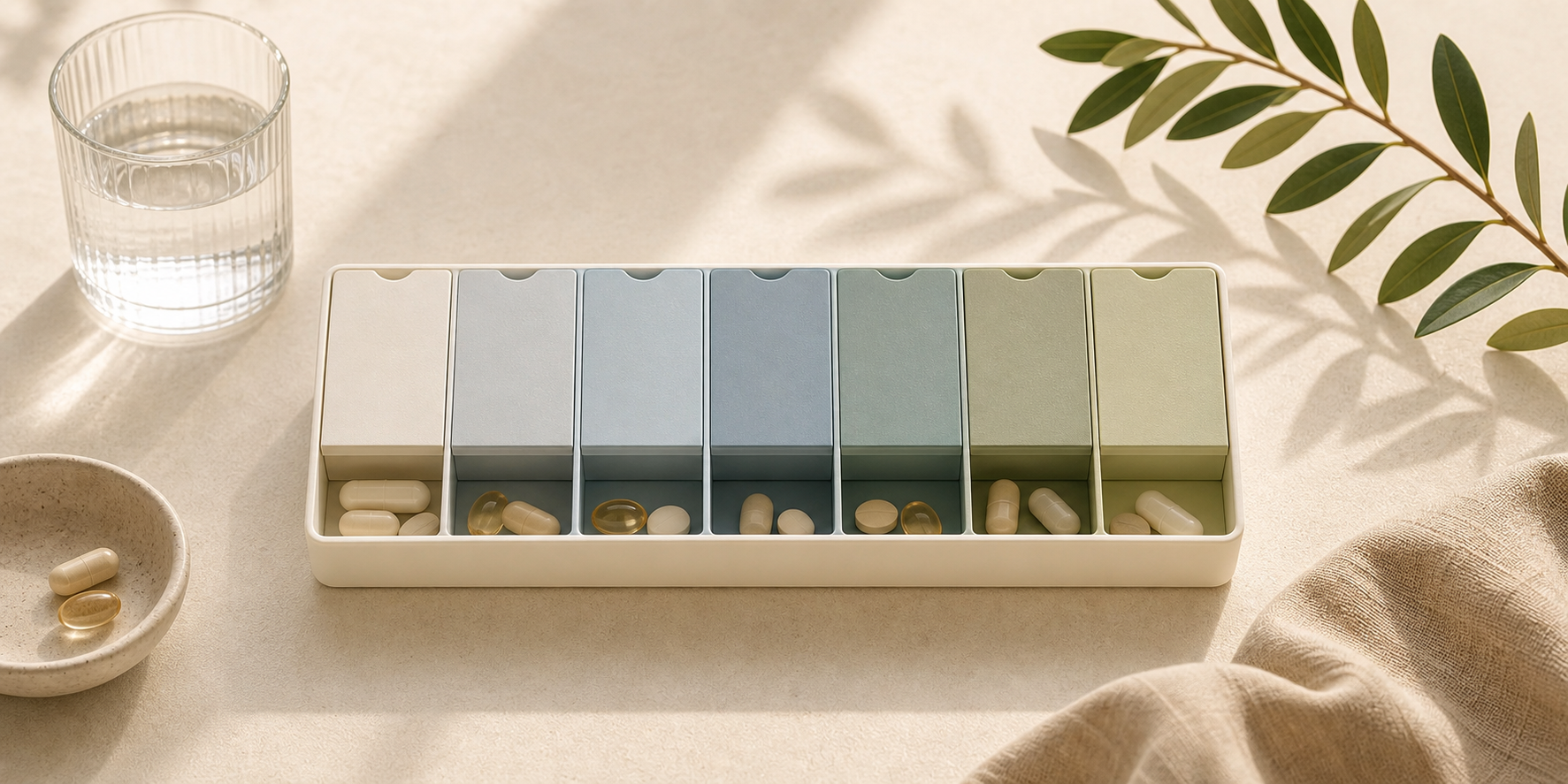
If this describes your evenings, a licensed clinician can review the rest privately. Takes 60 seconds.
A lot of people quit naltrexone in the first week because nausea kicks in and nothing seems to be changing yet. But quitting early is also the most common reason it doesn't work. The timeline for this medication has a few distinct phases, and knowing what each one looks like can help you stay the course through the part where progress is hardest to see.
TLDR:
- Naltrexone blocks alcohol's reward signal within hours, but behavioral changes take 2 to 4 weeks to feel noticeable
- Most side effects like nausea and headache fade within the first week; taking the pill with food helps
- Clinical guidelines recommend staying on naltrexone for at least 3 to 6 months for lasting results
- Low-dose naltrexone (1 to 5 mg) for pain or fibromyalgia takes 4 to 12 weeks to show meaningful improvement
- Onir provides naltrexone online with clinician review typically within 24 hours and delivery in 5 to 7 business days
What Naltrexone Is and How It Works
Naltrexone is an FDA-approved opioid receptor antagonist prescribed for alcohol use disorder and opioid use disorder. It comes as a once-daily 50 mg oral tablet or a monthly injectable called Vivitrol.
The mechanism matters for understanding the timeline. When you drink, your brain releases endorphins that bind to opioid receptors, reinforcing the behavior. Naltrexone blocks those receptors, muting that reward signal. Over repeated doses, drinking becomes less automatic, a process researchers call pharmacological extinction. That recalibration takes time, which is why the timeline question has a more layered answer than most people expect.
Before You Start: Important Safety Timing
Before your first dose, timing matters more than most people realize.
Naltrexone will trigger immediate, severe withdrawal if opioids are still in your system. That includes heroin, fentanyl, oxycodone, codeine, and any other opioid-based medication. A general guideline is 7 to 10 days opioid-free before starting, though the exact window varies by opioid type, half-life, and individual patient history. Your prescribing clinician should confirm the right timing for your situation.
For alcohol, stopping abruptly carries its own medical risks if you drink heavily every day. Alcohol withdrawal can cause seizures in people with serious physical dependence, so a physician should supervise that transition first.
A few other contraindications worth knowing: acute hepatitis and liver failure rule naltrexone out entirely, and pregnancy warrants a provider conversation before proceeding. If you're still unsure about the right schedule, a guide to timing your dose can help clarify things.
How Quickly Naltrexone Enters the System
Oral naltrexone reaches peak plasma concentration in about 1 to 2 hours after swallowing a dose, so the receptor-blocking effect starts faster than most people expect.
The half-life of naltrexone itself is roughly 4 hours, but its active metabolite, 6-beta-naltrexol, extends that to around 13 hours. That is why once-daily dosing keeps receptors meaningfully blocked around the clock. Behavioral changes, though, are a separate question entirely.
How Long Naltrexone Blocks Alcohol's Effects
A single 50 mg oral dose maintains active receptor blockade for approximately 24 hours, which is the clinical rationale for once-daily dosing. The injectable Vivitrol (380 mg) extends that coverage to roughly 28 to 30 days per shot.
Worth clarifying what "blocking" actually means here. Naltrexone doesn't make alcohol physically impossible to drink or cause you to get sick on its own. What it does is reduce the reward your brain gets from drinking. The endorphin hit that normally reinforces the behavior gets muted. You can still drink, but the pull weakens over time as that brain-reward loop loses its payoff.
Week-by-Week Timeline: What to Expect
The timeline below reflects what most people experience, though individual responses vary based on dose, metabolism, and how consistently the medication is taken.

Timeframe | What Typically Happens |
|---|---|
Days 1 to 3 | Naltrexone is pharmacologically active from dose one. Nausea, headache, or fatigue are most likely here. Some people notice a subtle shift in how much they want to drink. |
Days 4 to 7 | Side effects start fading. Alcohol begins feeling less rewarding for many people. |
Weeks 2 to 4 | Cravings weaken more noticeably as the reward loop loses strength with each dose. |
Months 1 to 3 | The behavioral shift consolidates. Drinking feels less automatic, less important. |
Month 3+ | Clinical guidelines recommend a minimum treatment duration of 3 to 6 months for AUD, with some patients continuing longer. |
Signs That Naltrexone Is Working
Naltrexone won't give you a noticeable "feeling" when it's working. There's no sedation, no mood shift, no obvious signal. The signs are quieter and mostly behavioral, which is why some people assume it isn't doing anything.
Watch for these instead:
- Situations that normally triggered a strong urge to drink feel less charged
- Alcohol tastes or feels less rewarding than it used to
- You stop after one drink without much internal negotiation
- Thoughts about drinking take up less mental real estate throughout the day
- Sleep improves and energy picks up as overall consumption drops
Most people notice something shifting within 10 to 14 days. If you reach week three and feel nothing has changed, that's worth raising with your clinician, who can adjust the approach and keep you from guessing.
Naltrexone Side Effects: First Week and Beyond
Naltrexone side effects, especially nausea, is the most commonly reported issue, and it's the main reason people quit before the medication has a chance to work. Taking the tablet with food reduces it considerably. For most people, it fades within the first week or two as your body adjusts.
Common side effects in the first week include:
- Nausea, which tends to be the most disruptive early on but usually settles quickly
- Headache and fatigue, often mild and short-lived
- Reduced appetite and occasional dizziness
Serious side effects are less common, and liver safety is worth understanding: naltrexone and liver safety is covered in detail separately. Liver enzyme elevation can occur, so anyone with a history of liver problems should flag that during intake. Signs like severe abdominal pain, yellowing skin, or dark urine warrant immediate medical attention.
On weight gain: it's not a well-documented side effect of standard 50 mg naltrexone. Appetite reduction is the more common report, and long-term use at the standard dose is generally well-tolerated based on available research.
Oral Tablet vs. Injectable Naltrexone: Timing Differences
Both formats block the same receptors through the same mechanism. The difference is duration and logistics.
The oral 50 mg tablet reaches peak activity within 1 to 2 hours of each dose. That speed is useful, but it requires a daily pill. Miss a dose, and coverage drops. For people who build pills into a routine easily, that's no problem. For others, the daily decision becomes its own friction.
The injectable Vivitrol (380 mg) covers roughly 28 to 30 days from a single shot, with some research suggesting that removing the daily decision improves long-term treatment consistency, part of how naltrexone helps you drink less over time. The tradeoff is access, since the injection requires a monthly clinical visit instead of taking a pill at home.
Low-Dose Naltrexone for Pain, Inflammation, and Fibromyalgia
Low-dose naltrexone (LDN) refers to doses in the 1 to 5 mg range, well below the 50 mg standard for alcohol and opioid use disorder. At those lower doses, LDN briefly occupies opioid receptors, prompting the body to upregulate its own endorphin production. It also appears to modulate microglial activity in the central nervous system, reducing neuroinflammation thought to underlie fibromyalgia and certain autoimmune disorders.
The timeline is longer than for alcohol treatment. Meaningful improvement in pain and fatigue typically takes 4 to 12 weeks, and chronic or autoimmune conditions may need 3 to 6 months before the full picture is clear.
LDN is not FDA-approved for these uses. Physicians prescribe it off-label, and results vary considerably by person and condition. For people focused on alcohol and not pain, the more relevant question is often how to drink less without quitting completely.
Naltrexone and Weight Loss: Timeline and Realistic Expectations
Standard-dose naltrexone at 50 mg is not FDA-approved for weight loss, and evidence supporting it as a standalone treatment is limited. Naltrexone's most documented role in weight management is in the combination drug naltrexone/bupropion (Contrave), which acts on appetite and reward pathways in the hypothalamus and limbic system to reduce hunger and cravings.
For low dose naltrexone used off-label for weight support, meaningful weight changes generally take several months and vary considerably by individual, so a clinician's guidance is necessary. Many people looking into naltrexone actually start from a different place entirely: wanting to drink less without quitting completely.
Factors That Affect How Quickly Naltrexone Works
Several variables explain why one person notices a shift in week one while another is still waiting at week four.

- Metabolism and body composition influence how quickly naltrexone is processed and cleared, which affects how consistently receptors stay blocked between doses.
- Liver function matters because naltrexone is extensively metabolized by the liver. Impaired liver function can alter both the speed and degree of that processing.
- Adherence is probably the most controllable factor. Pharmacological extinction only works when the brain repeatedly encounters muted reward after drinking. Missing doses breaks that chain.
- How deeply ingrained the drinking habit is affects timeline too. A deeply entrenched pattern with strong neurochemical reinforcement takes longer to weaken than a more recent one.
- Dosing method plays a role. The Sinclair Method involves taking naltrexone only before drinking sessions, not on a daily schedule, instead of taking it daily. It's a recognized alternative approach, though how well it works for any individual depends on their pattern and consistency.
- Concurrent behavioral support, whether therapy, coaching, or structured check-ins, tends to accelerate results. The medication changes the brain's reward signal; mental health coaching and other support help build new habits to replace the old ones.
How Long to Stay on Naltrexone
There's no universal answer, but clinical guidance for alcohol use disorder generally points to a minimum of 3 to 6 months, with many clinicians recommending a year or longer depending on how treatment is going and whether cravings have genuinely stabilized. Stopping too early is one of the more common reasons people relapse, not because the medication caused dependence, but because the behavioral change hadn't fully consolidated yet, which is why knowing how long to take naltrexone matters.
Worth knowing clearly: naltrexone is neither habit-forming nor physically addictive. Stopping carries no withdrawal risk and requires no taper, so the decision of when to stop is a clinical one, not a medical urgency. That conversation belongs with your prescribing clinician, who can weigh your progress, drinking patterns, and goals, which is part of why some people seek out private help to drink less instead of working through it alone.
For low dose naltrexone in chronic pain or autoimmune conditions, duration is similarly individualized. Some people use it for years; others use it through a defined treatment period and reassess.
Getting Started With Naltrexone Through Onir
Onir handles the full care journey online, from intake to prescription to delivery. The intake form takes 15 to 20 minutes and covers drinking history, health history, current medications, and symptoms. A licensed, board-certified clinician reviews it via secure asynchronous text-based chat, typically within 24 hours. If approved, the prescription goes to the pharmacy the same day in most cases.
Onir prescribes FDA-approved generic naltrexone hydrochloride 50 mg tablets through InnovaScript, a mail-order pharmacy licensed in all 50 states and DC. From intake to medication in hand is typically 5 to 7 business days, and most members start noticing cravings weaken within 10 to 14 days of starting. Many people also want to know how much Onir costs before signing up.
There's no single required goal. Whether you want to drink less on weeknights, take a longer break, or stop entirely, the plan is built around what you're actually trying to do. No long-term commitment required.
Final Thoughts on How Long Naltrexone Takes to Work
Naltrexone works best when you stay consistent and give it enough time to actually do its job. The behavioral shift is gradual, which can feel frustrating, but it's also how lasting change tends to happen. Your clinician can adjust the approach if the timeline isn't matching your experience.
FAQ
How long does it take for naltrexone to work for alcohol cravings?
Naltrexone is pharmacologically active from your first dose, reaching peak receptor blockade within 1 to 2 hours of swallowing a 50 mg tablet. Most people notice cravings weakening within 10 to 14 days, with more noticeable behavioral change building through weeks 2 to 4 as the brain's reward loop loses strength through repeated muted signals.
Does naltrexone make you sick if you drink while taking it?
No, naltrexone does not cause a disulfiram-style sickness reaction when you drink. What it does is reduce the reward your brain gets from alcohol, so drinking feels less satisfying over time, not physically punishing.
What are the naltrexone side effects in the first week, and how long do they last?
Nausea is the most common early side effect, followed by headache, mild fatigue, and reduced appetite. For most people these fade within the first one to two weeks; taking the tablet with food meaningfully reduces nausea, which is the main reason people stop the medication before it has a chance to work.
How long does naltrexone take to work for pain compared to alcohol treatment?
Low-dose naltrexone for pain, inflammation, or fibromyalgia operates on a longer timeline than alcohol treatment. Meaningful improvement typically takes 4 to 12 weeks, and chronic or autoimmune conditions may need 3 to 6 months before the full picture is clear. This is a different dosing range (1 to 5 mg) from the standard 50 mg naltrexone tablet used for alcohol use disorder, and it is prescribed off-label.
Oar Health vs Ria Health vs Onir for naltrexone-based alcohol treatment: what's the difference?
All three services prescribe naltrexone through a telehealth model, but they differ in structure, pricing transparency, and how care is delivered. Onir uses asynchronous text-based clinician consultations, ships a 90-day supply through InnovaScript in plain packaging, and operates on a self-pay basis with no insurance paper trail, which matters for people who want their treatment kept private from employers or primary care records.
The science behind Onir has been covered by
82%
drinking less within two weeks
30+ yrs
FDA-approved & clinically studied
1,200+
clinical studies behind it
$99
per month, shipped discreetly
In their words
“I set one alarm for 5 p.m. and stopped thinking about it. Three weeks later the second glass just wasn't interesting anymore. No willpower involved.”
Individual results vary.
A quieter next step, when you want one
If practical changes have not been enough, a licensed clinician can review the rest privately. It doesn't commit you to anything.
60 seconds · 11 questions · Fully refunded if you're not approved