Lifestyle
I want to drink less, but I do not want to quit completely
Cutting back can be the whole point.

By Justine Fowey, Onir Health Editorial Team
The short answer
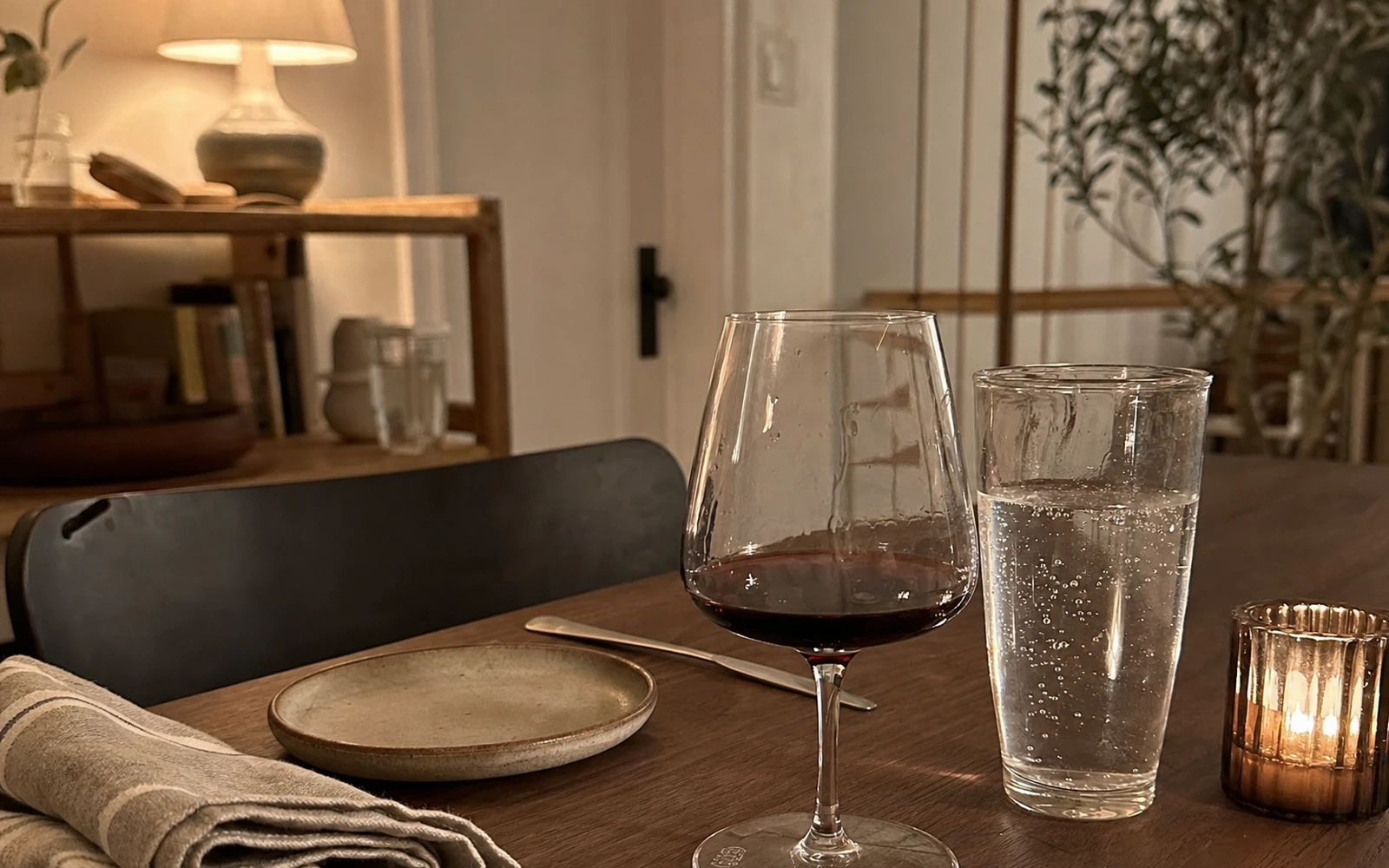
drinking less can be the whole goal. You do not have to want an all-or-nothing change for your goal to be serious.
There is a particular kind of search people do quietly.
Not because anything has fallen apart. Not because the outside of life looks unmanageable. Work is getting done. The calendar is full. The bills are paid. The people who know you would probably be surprised to hear how much space alcohol has started taking up in your head.
The search is usually simpler than that.
You want to drink less. You do not necessarily want to stop completely.
That is a valid goal.
Not a weaker goal. Not a temporary goal before the real one. Not a way of avoiding some larger truth. For many adults, the goal is exactly what it sounds like: fewer nights when the first glass becomes three, fewer mornings that start slow, fewer decisions made by habit instead of choice.
Cutting back can be the whole point
A lot of alcohol advice still sounds all or nothing.
Either you are fine, or the advice jumps straight to stopping. Either you are in control, or you are not. Either you make one big declaration, or you are not taking it seriously.
That framing misses the way many people actually live.
You may like wine with dinner. You may want to drink on vacation. You may want a glass at a restaurant without feeling like the evening is going to slide somewhere you did not choose. You may also be tired of the automatic weeknight pour, the extra glass you did not really want, or the low-grade negotiation that starts around 5 p.m.
Those things can all be true at once.
Wanting to drink less does not require you to become a different person. It requires you to get honest about the pattern you want to change.
The question is not “am I allowed?”
You are allowed to want a smaller change.
You are allowed to want a private change.
You are allowed to want something practical, medical, and quiet, without turning it into a public identity.
A better question is: what would make drinking feel like a choice again?
For some people, that starts with structure. No wine Monday through Thursday. A smaller pour. No bottle on the counter. A replacement ritual at the exact time the old one used to begin. Tracking what actually happens for two weeks, not to punish yourself, but to see the pattern clearly.
For others, those rules work for a few nights and then collapse the moment stress, travel, dinner plans, or one hard day enters the picture. That does not mean you are unserious. It means the system you are using may not match the strength of the habit.
Start with the pattern, not the label
Try asking more specific questions:
- When does the first drink usually happen?
- What happens in the hour before it?
- Is the second drink chosen, or does it feel automatic?
- Which nights feel easiest to skip?
- Which situations almost always lead to more than planned?
- What are you hoping alcohol will do for you at that moment?
These questions are more useful than arguing with yourself about discipline.
They give you a map.
Maybe the pattern is weekday wine. Maybe it is dinner out. Maybe it is the second drink, not the first. Maybe it is the stretch between finishing work and making dinner, when the day is technically over but your nervous system has not gotten the message yet.
The more precise you get, the less mysterious the change becomes.
What drinking less can look like
Drinking less does not have to mean one universal target.
It might mean:
- drinking only on weekends
- stopping after one glass
- taking a month off and then deciding what comes next
- keeping wine out of the house
- drinking only when you are out, not alone at home
- cutting your weekly total in half
- choosing not to drink before important mornings
- stopping completely for now, without deciding forever
The point is not to pick the most impressive version. The point is to pick the one that matches your actual life and your actual goal.
A goal you can live with is more useful than a goal you announce and abandon.
When rules are not enough
Many people try rules first.
They count drinks. They switch to seltzer. They buy the smaller bottle. They promise themselves they will only drink on weekends. They do Dry January and feel better, then slowly drift back into the same pattern by March.
That cycle can start to feel personal.
It is easy to conclude you lack discipline. But habits around alcohol are not built in a vacuum. They are reinforced by repetition, environment, stress, reward, and the simple fact that one drink often makes the next one feel easier to justify.
Trying harder is not always the right lever.
Sometimes the better move is to change the conditions around the choice.
A private next step
If drinking less has been on your mind for a while, you do not have to decide everything today.
You can start smaller.
Write down what you want to be different over the next 30 days. Pick the nights you care most about. Notice the moment the decision starts. Try changing the first ten minutes of that routine before you try changing the whole evening.
And if you have already tried that kind of structure and the pull still feels louder than your plan, it may be worth getting private medical input.
Onir starts with a written assessment. No video call. No intake interview. A licensed clinician reviews your answers and determines whether treatment is a fit. The goal is not assigned to you. Drinking less and stopping completely are both valid. Your clinician works from the goal you bring in.
The bottom line
You can want to drink less without wanting to quit completely.
That is not a contradiction. It is a clear goal.
The work is to make alcohol smaller in your life, in the way that actually fits the life you want to keep living.
The science behind Onir has been covered by
82%
drinking less within two weeks
30+ yrs
FDA-approved & clinically studied
1,200+
clinical studies behind it
$99
per month, shipped discreetly
In their words
“I started my medication about 8 days ago. I feel amazing. Don't really have any urges to drink alcohol.”
FAQ
Do I have to want to quit completely for my goal to be valid?
Drinking less can be the whole goal. You do not have to want an all-or-nothing change for your goal to be serious. For many adults, the goal is exactly what it sounds like: fewer nights when the first glass becomes three, fewer mornings that start slow, fewer decisions made by habit instead of choice.
What does cutting back on alcohol actually look like?
Drinking less does not have to mean one universal target. It might mean: drinking only on weekends, stopping after one glass, taking a month off and then deciding what comes next, keeping wine out of the house, drinking only when you are out not alone at home, cutting your weekly total in half, choosing not to drink before important mornings, or stopping completely for now without deciding forever.
How do I figure out what my drinking pattern actually is?
Start with the pattern, not the label. Try asking more specific questions: When does the first drink usually happen? What happens in the hour before it? Is the second drink chosen, or does it feel automatic? Which nights feel easiest to skip? Which situations almost always lead to more than planned? What are you hoping alcohol will do for you at that moment? The more precise you get, the less mysterious the change becomes.
Why do rules and willpower often fail when trying to drink less?
Habits around alcohol are not built in a vacuum. They are reinforced by repetition, environment, stress, reward, and the simple fact that one drink often makes the next one feel easier to justify. Trying harder is not always the right lever. Sometimes the better move is to change the conditions around the choice.
What is a practical first step if I want to drink less?
Write down what you want to be different over the next 30 days. Pick the nights you care most about. Notice the moment the decision starts. Try changing the first ten minutes of that routine before you try changing the whole evening.
What if I have already tried cutting back on my own and it hasn't worked?
If you have already tried that kind of structure and the pull still feels louder than your plan, it may be worth getting private medical input. Onir starts with a written assessment. No video call. No intake interview. A licensed clinician reviews your answers and determines whether treatment is a fit. Drinking less and stopping completely are both valid. Your clinician works from the goal you bring in.
Is wanting to drink less but not quit completely a sign that I have a serious problem?
No — most people who want to drink less don't have a diagnosable disorder, and the goal of cutting back is valid on its own terms. The more useful question is whether your current pattern is costing you something you care about, like sleep, mornings, or a sense of control. That's worth taking seriously regardless of how it would be labeled.
What is naltrexone and how does it help you drink less without quitting?
Naltrexone is a non-addictive, non-habit-forming medication that gently blocks the brain receptors responsible for the reinforcement you feel when you drink. It has been FDA-approved for over 30 years and doesn't require you to stop drinking entirely — it works by making the pull of alcohol weaker over time. Most people who take it notice that difference within 10 to 14 days.
Can I get help to drink less without anyone finding out — my doctor, employer, or insurance?
Yes. Onir doesn't bill through insurance, so there's no insurance record, and the service won't contact your primary care doctor unless you ask. Medication ships in plain, unmarked packaging, and the entire process happens online through a written assessment — no video calls or in-person visits.
How do I drink less on weeknights without making every evening feel like a willpower test?
The most effective approach targets the 10 to 15 minutes before the habit usually starts — changing the first moment of the routine tends to be easier than resisting the drink once it's already poured. Replacing the trigger (a specific time, a location, a routine) with something deliberate gives you a real decision point instead of a test of endurance.
Should I do Dry January or try to moderate year-round?
A full month off is genuinely useful because it gives you clear data on how alcohol is affecting your sleep, energy, and mood. The challenge is that a time-limited break often doesn't change the underlying habit, which is why many people drift back to the same pattern by March. Moderation that lasts usually requires changing the conditions around the choice, not just setting a calendar rule.
What's the difference between cutting back on your own versus using medication to drink less?
Cutting back on your own relies on rules, environment changes, and sustained intention — and that works for many people. Medication like naltrexone works at a biological level, reducing the reinforcement that makes the second drink feel automatic, so the choice to stop at one becomes easier without requiring more effort. They're not mutually exclusive; most people use both.
How much does it cost to get a naltrexone prescription for drinking less through a telehealth service?
Onir is $99 a month, billed as $297 every 90 days. That covers FDA-approved generic naltrexone, messaging with your clinician seven days a week, counseling and behavioral support, and the members-only Onir mobile app, with no insurance billing. The program is designed so that most members save more than the cost in the first six months simply from drinking less.
I want to drink less but I still want to enjoy wine at dinner — is that realistic?
Yes, and it's a common and reasonable goal. Drinking less doesn't mean eliminating alcohol from social situations; it means making the choice more deliberate and stopping when you planned to. Many Onir members continue drinking on weekends or at restaurants — the shift is that it feels like a choice again, not an automatic pattern.
What happens to your sleep and energy when you drink less, even if you don't quit?
Even modest reductions in drinking tend to improve sleep quality relatively quickly, because alcohol disrupts the deeper stages of sleep even in small amounts. Many people notice better energy and clearer mornings within the first month of cutting back, which often reinforces the motivation to keep the change going.
How long does it take to change your drinking habit if you want to drink less but not stop entirely?
There's no single timeline, but people using naltrexone through Onir typically notice the pull of alcohol weakening within 10 to 14 days. Building a stable new pattern — where moderation feels normal rather than effortful — usually takes a few months, which is why a 90-day program tends to be more effective than shorter interventions.
Keep reading
Resources
November 2026: Drink Less Without Quitting
Drinking less without quitting is a real goal. Get a November 2026 plan for setting rules, tracking habits, and staying social.
ReadPrivacy
Can you get private help to drink less?
A quieter next step for people who do not want a public conversation.
ReadLifestyle
How to cut back on wine at night without making it a whole identity
A better plan for the 6 p.m. pour.
Read