Onir Resources
Naltrexone Dosing for Alcohol: Key Facts for 2026
Get clear guidance on naltrexone dosing for alcohol, common side effects, and safety notes. Updated October 2026.

By Justine Fowey, Onir Health Editorial Team
· Updated
So your clinician mentioned naltrexone dosing at 50 mg daily, but someone on a forum swears by taking it only on drinking days, and now you're second-guessing the plan. That confusion is normal because there are multiple valid approaches to naltrexone for alcohol, from standard daily use to targeted dosing to higher-dose schedules spaced across a week. We'll cover each one, the side effects you might run into early on, and how to figure out what fits your routine.
TLDR:
- Naltrexone 50 mg daily is the FDA-approved dose for alcohol use disorder, often started at 25 mg to ease early nausea
- The Sinclair Method uses the same 50 mg dose only before drinking, which is off-label but backed by research
- Standalone naltrexone is not FDA-approved for weight loss; Contrave pairs just 8 mg naltrexone with bupropion
- Side effects like nausea and headache typically fade within one to two weeks, and taking it with food helps
- Onir prescribes generic naltrexone 50 mg at $99/month with clinician care included in all 50 states
Want a licensed clinician to tell you if naltrexone fits you?
Quiz takes 60 seconds. $19.99 review, refunded if you're not approved.
How Naltrexone Works for Alcohol Use Disorder
Alcohol triggers a release of endorphins in the brain, and those endorphins bind to opioid receptors to produce the warm, rewarding feeling that makes drinking feel good. Over time, this loop gets reinforced. The brain learns to associate alcohol with pleasure, and cravings build around that association.
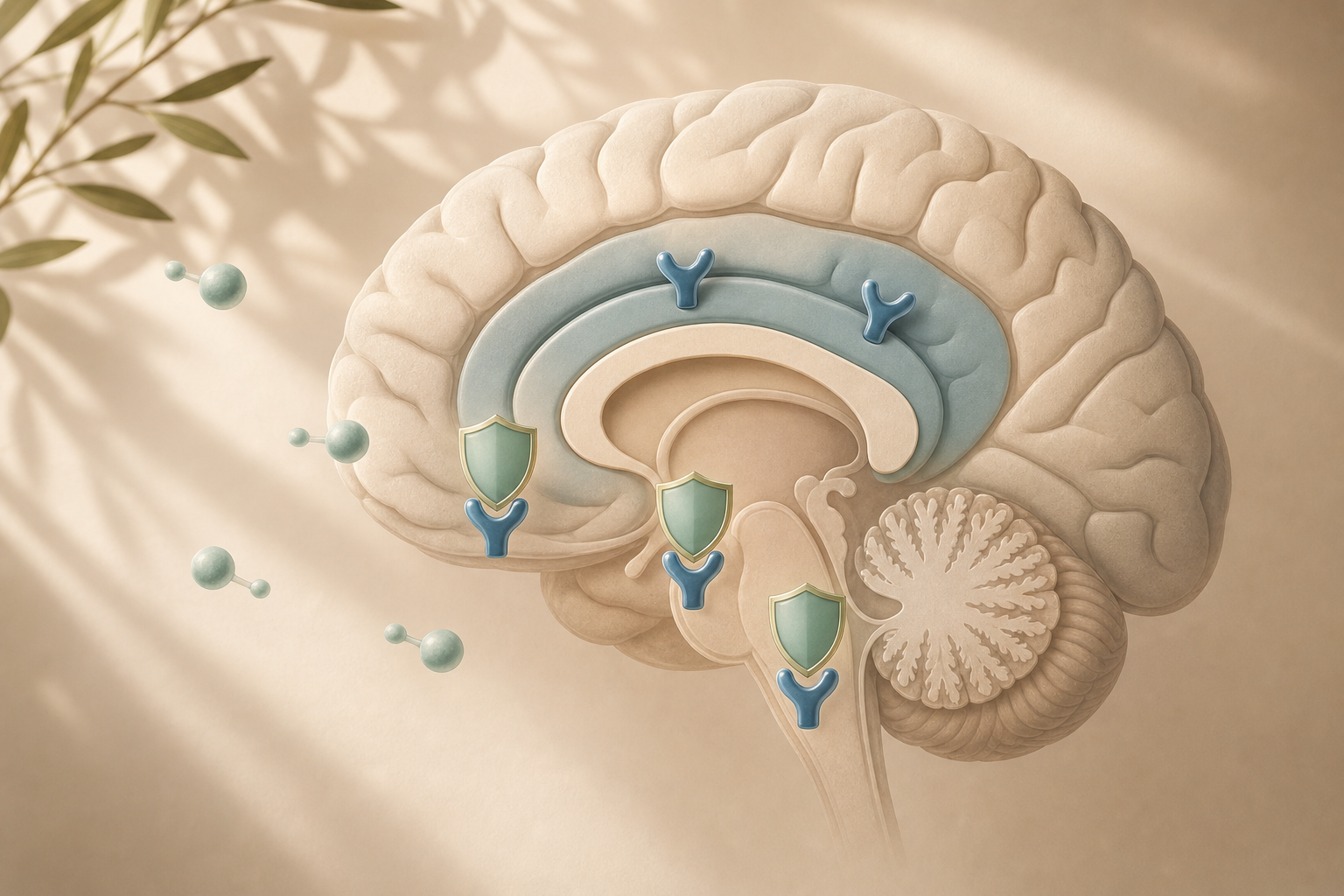
Naltrexone works by blocking those opioid receptors. With the receptors blocked, alcohol still enters your system, but the reinforcing "buzz" is dulled. You might still drink, but it feels less rewarding. Over weeks and months, following naltrexone's work timeline, your brain gradually stops expecting a payoff from alcohol, and cravings weaken. Researchers sometimes call this process pharmacological extinction.
Naltrexone has been FDA-approved for treating alcohol use disorder for over 30 years. It's non-addictive and non-habit-forming, and not a controlled substance. Understanding this mechanism matters because dosing decisions all come back to how much receptor blockade you need and for how long.
Standard Naltrexone Dosing for Alcohol (50 mg Tablet)
The FDA-approved oral dose is 50 mg once daily, and it's the most widely studied dose for alcohol use disorder. According to StatPearls, naltrexone for AUD can be given orally at 50 mg once daily.
Many clinicians start patients at 25 mg for the first few days, then move up to the full 50 mg. That lower starting dose helps your body adjust and can reduce early nausea. Is 25 mg naltrexone effective on its own long-term? It's generally considered a stepping stone, not a maintenance dose.
Timing your naltrexone dose is flexible. Some people take it in the morning; others prefer evening if it makes them drowsy. Taking it with food is a simple way to cut down on stomach discomfort, which is the most common complaint in the first few days.
Alternative Dosing Schedules: The Sinclair Method and As Needed Use
Not everyone wants to take a pill every morning, and not every drinking pattern calls for it. The Sinclair Method flips the schedule: you take 50 mg of naltrexone one to two hours before you plan to drink, and skip it on days you don't. The idea is to pair drinking on naltrexone with the act itself, so your brain experiences the dulled reward signal exactly when it matters most.
This targeted approach has real research behind it. A Finnish study by the method's namesake, Dr. John David Sinclair, found that pairing naltrexone with drinking sessions led to a gradual reduction in alcohol consumption over time. The approach works through the same pharmacological extinction described earlier, just applied more selectively.
"The key distinction is timing. Daily dosing blocks receptors around the clock; targeted dosing blocks them precisely when alcohol's reward signal would otherwise fire."
Providers sometimes prescribe this for people who drink a few times a week, or for those who experience side effects they'd prefer not to deal with on non-drinking days. The FDA label specifies daily use, so targeted dosing is considered off-label. Many clinicians still support it based on the available evidence, but it's a conversation to have with your prescriber, not a decision to make from a Reddit thread alone.
Private clinician review, 60 seconds. See if Onir fits you.
Maximum Naltrexone Dose and Higher Dose Protocols
The FDA label lists alternative schedules beyond the standard 50 mg daily: 100 mg every other day, or 150 mg every third day. According to StatPearls, naltrexone for alcohol use disorder can be given orally at these intervals. The weekly total averages out similarly, but each individual dose is larger and spaced further apart.
These schedules exist for supervised clinical settings where daily adherence is difficult. They keep receptor coverage consistent across a week, not increase the amount of naltrexone your body processes on any single day. A 100 mg dose every other day is followed by a day off, so the typical daily exposure is intended to approximate the 50 mg standard.
If you've searched "what is the highest dose of naltrexone you can take," the answer depends on context. The 150 mg every third day schedule is the highest FDA labeled protocol for AUD. Doubling your daily dose to 100 mg without clinical guidance carries a higher risk of side effects, particularly nausea and liver stress. Any dose adjustment should come from your prescriber.
Dosing Schedule | Dose | Frequency | FDA Status for AUD | Typical Use Case |
|---|---|---|---|---|
Standard daily | 50 mg | Once daily | FDA-approved | Most common starting protocol; often begins at 25 mg for a few days |
Sinclair Method | 50 mg | 1 to 2 hours before drinking only | Off-label | People who drink a few times a week or prefer not to take medication on non-drinking days |
Every other day | 100 mg | Every other day | FDA-labeled alternative | Supervised settings where daily adherence is difficult |
Every third day | 150 mg | Every third day | FDA-labeled alternative | Supervised settings where daily adherence is difficult; highest single-dose protocol |
Naltrexone for Weight Loss: Dosing With Bupropion (Contrave)
Naltrexone on its own is not FDA-approved for weight loss. If you've been searching "naltrexone 50 mg weight loss reviews," the results you find describe off-label use, and outcomes vary widely without strong clinical backing at that dose for that purpose.
The FDA-approved weight loss product is Contrave, which combines naltrexone 8 mg extended-release with bupropion 90 mg extended-release per tablet. According to the Mayo Clinic, it's used alongside a reduced-calorie diet and increased physical activity, with dosing titrating up over four weeks to two tablets twice daily.
That's a very different formulation from the standalone 50 mg naltrexone tablet prescribed for alcohol use disorder. The naltrexone content per Contrave tablet is just 8 mg, and bupropion does much of the heavy lifting on appetite. Confusing the two leads people to take 50 mg naltrexone expecting weight loss results studied under a completely different drug combination, which is worth keeping straight when talking to your provider.
Low Dose Naltrexone (LDN): How It Differs From Standard Dosing
Low dose naltrexone, usually called LDN, refers to doses between 1 mg and 4.5 mg, roughly one-tenth of the standard 50 mg dose. The confusion between LDN and the naltrexone prescribed for alcohol use disorder comes up constantly online.
At these tiny doses, LDN briefly blocks opioid receptors, then wears off quickly, triggering a rebound increase in your body's own endorphin production. The mechanism at lower doses appears more related to immune modulation than straightforward receptor antagonism. That's why LDN is used off-label for chronic pain, fibromyalgia, and autoimmune conditions like Crohn's disease.
A Few Practical Points
- LDN typically requires compounded formulations because 4.5 mg tablets aren't widely commercially manufactured, so you'll likely need a compounding pharmacy.
- Most providers start around 1.5 mg and titrate up gradually to minimize side effects like vivid dreams or headaches.
- If you're wondering whether you can just stop taking LDN, the answer is generally yes. There's no known withdrawal syndrome, though it's still worth checking with your prescriber first.
Naltrexone Side Effects: What to Expect in the First Week and Beyond
The first week is usually the roughest. Nausea is the most common complaint, followed by headache, fatigue, dizziness, reduced appetite, and trouble sleeping. For most people, these are mild and short-lived. Taking your dose with food makes a noticeable difference for stomach-related symptoms.

By the end of week one or two, side effects tend to fade as your body adjusts. If naltrexone nausea lingers past two weeks, that's worth raising with your clinician, who may tweak timing or suggest starting at 25 mg temporarily.
Weight gain is not a commonly reported side effect. According to the FDA drug label data reviewed by Drugs.com, weight gain was reported in fewer than 1% of clinical trial participants, while decreased appetite is a more frequent side effect, which means some people actually notice modest weight loss. Cutting back on alcohol also removes a major source of empty calories, which tends to tip the scale in the other direction.
Serious Side Effects and Safety Warnings
Serious side effects from naltrexone are uncommon at the standard 50 mg dose, but they exist and deserve a straight answer.
Liver Concerns
The FDA label carries a warning about hepatotoxicity. Liver enzyme elevations have been observed, though primarily at doses well above 50 mg per day. At the approved dose, clinically meaningful liver injury is rare. As part of naltrexone and liver safety monitoring, your prescriber may order liver function tests before starting treatment and periodically after, especially if you have a history of liver disease. Naltrexone is contraindicated in acute hepatitis or liver failure.
The Opioid Warning
You must be opioid-free for 7 to 10 days before taking naltrexone. That includes heroin, fentanyl, oxycodone, codeine, and similar drugs. If opioids are still in your system, naltrexone will trigger precipitated withdrawal, which is sudden, severe, and requires emergency care.
When to Call Your Provider vs. 911
Contact your prescriber if you notice unusual fatigue, dark urine, yellowing skin, or persistent mood changes. Go to the ER or call 911 for severe allergic reactions, signs of liver failure, or if you accidentally took naltrexone while opioids were still active. Pregnant or breastfeeding individuals should not take naltrexone.
What to Avoid When Taking Naltrexone
The biggest category to steer clear of is opioids in any form:
- Prescription painkillers like oxycodone, hydrocodone, and morphine
- Cough syrups or cold medicines containing codeine
- Heroin, fentanyl, and similar street opioids
- Poppy seed products in large quantities, which can contain trace opioid compounds
Because naltrexone blocks opioid receptors, these foods and medications to avoid won't work the way you expect. Pain relief from opioid medications will be reduced or eliminated entirely, which is a real safety issue if you need emergency surgery or pain management. Carry an alert card or medical ID noting that you take naltrexone, and tell any ER doctor or anesthesiologist before a procedure.
One thing naltrexone does not do is make you sick when you drink. That's disulfiram (Antabuse), a completely different medication that causes nausea, flushing, and vomiting if alcohol enters your system. Naltrexone simply dulls alcohol's rewarding effects. Drinking while taking it is actually built into certain treatment approaches like the Sinclair Method, as covered earlier.
If you're prescribed a new medication by another provider, mention that you're on naltrexone so they can avoid opioid-based options and choose alternatives.
Missed Doses and Practical Tips
If you miss a dose, take it as soon as you remember. If it's close to your next scheduled dose, skip the missed one and continue as normal. Never double up to make up for it.
A few things that help with consistency:
- Keep your naltrexone in a pill organizer next to something you already do daily, like brewing coffee or brushing your teeth.
- Set a phone alarm for the same time each day. Boring, but it works.
- If you're using the Sinclair Method and only take naltrexone before drinking, build in a calendar reminder for social events where you'll want it on board one to two hours ahead.
Missing a single dose won't undo your progress, regardless of how long you've been taking naltrexone. But frequent gaps reduce receptor coverage, which gives alcohol's reward signal room to creep back in. If you're struggling with consistency, bring it up with your clinician. They can adjust timing, discuss strategies, or consider whether a different schedule fits your routine better.
How Onir Prescribes Naltrexone for Alcohol
At Onir, we prescribe the same FDA-approved generic naltrexone hydrochloride 50 mg tablets covered throughout this article. The process starts with a free 60-second quiz, then a $19.99 clinician review (refunded if you're not approved). A licensed clinician reviews your intake through secure, asynchronous text-based chat, usually within 24 hours.
The subscription runs $99 a month, billed as $297 every 90 days, with medication and clinician care included. Whether you want to drink less on weeknights or stop altogether, the care team builds around your goals and can adjust at follow-ups. We're available in all 50 states on a self-pay basis with no insurance paperwork, and medication ships in plain, unmarked packaging.
Final Thoughts on Naltrexone for Alcohol Use Disorder
Whether you're looking at 50 mg daily, targeted dosing, or just trying to figure out what the first week feels like, the answers are pretty practical once you cut through the noise. Start the conversation with a clinician, be upfront about your patterns, and adjust as you go.
FAQ
What's the best telehealth option for alcohol use disorder if you don't have insurance or don't want to use it?
Onir is built for exactly this situation. It's entirely self-pay at $99 a month (billed as $297 every 90 days), with no insurance paperwork, no claims filed, and no record shared with your employer or primary care doctor. Medication and clinician care are both included, and it's available in all 50 states.
Can I take naltrexone only on days I drink instead of every day?
Yes. The Sinclair Method involves taking a naltrexone 50 mg tablet one to two hours before drinking and skipping it on days you don't drink. This is considered off-label since the FDA label specifies daily use, so it's a decision to make with your prescriber based on your drinking pattern and goals.
How long do naltrexone side effects last in the first week?
Most side effects like nausea, headache, and fatigue are mild and fade by the end of week one or two. Taking your dose with food helps with stomach-related symptoms. If nausea lingers past two weeks, your clinician can adjust timing or temporarily lower your dose to 25 mg.
Why do I feel like I need a drink even when I don't really want one?
That automatic pull comes from your brain's learned association between alcohol and the endorphin reward it delivers. Over time, the loop becomes habitual rather than intentional. Naltrexone works by blocking the opioid receptors that carry that reward signal, so the craving gradually weakens as your brain stops expecting a payoff from drinking.
What is the maximum dose of naltrexone for alcohol use disorder?
The highest FDA-labeled protocol is 150 mg every third day, which averages out to a similar weekly total as the standard 50 mg daily dose. A 100 mg dose every other day is also on the FDA label. Both schedules exist for supervised settings where daily adherence is difficult, and any dose adjustment beyond 50 mg daily should come from your prescriber.
Is 25 mg naltrexone effective on its own, or do I need to work up to 50 mg?
25 mg is generally a stepping stone, not a long-term maintenance dose. Most clinicians start you at 25 mg for the first few days to reduce early nausea, then move to the full 50 mg once your body adjusts. If 50 mg still causes side effects after a couple of weeks, your prescriber may revisit the dose.
Does naltrexone cause weight gain?
Weight gain is not a commonly reported side effect of naltrexone. Some people actually notice modest weight loss because the medication can reduce appetite, and cutting back on alcohol removes a significant source of empty calories.
Naltrexone 50 mg vs Contrave for weight loss — what's the difference?
They're very different formulations. Contrave combines just 8 mg of naltrexone with 90 mg of bupropion per tablet and is FDA-approved for weight loss. A standalone naltrexone 50 mg tablet is FDA-approved for alcohol use disorder and opioid dependence, not weight loss. Taking 50 mg naltrexone on its own expecting weight loss results from Contrave studies would be comparing two different things.
How does naltrexone work for alcohol dependence if it doesn't make you sick when you drink?
Naltrexone blocks the opioid receptors that carry alcohol's rewarding endorphin signal. You can still drink, but the reinforcing buzz is dulled. Over weeks, your brain gradually stops expecting a payoff from alcohol and cravings weaken — a process called pharmacological extinction. The medication that makes you sick when you drink is disulfiram (Antabuse), which works through a completely different mechanism.
Can I just stop taking low dose naltrexone, or do I need to taper off?
There is no known withdrawal syndrome from stopping low dose naltrexone (LDN, typically 1–4.5 mg). Most people can discontinue without tapering, though it's still worth a quick check with your prescriber before making changes to any medication routine.
What should I tell an ER doctor or surgeon if I'm on naltrexone?
Tell them immediately that you take naltrexone, because it blocks opioid receptors and will reduce or eliminate the effect of opioid-based pain medications. Carry a medical alert card or wear an ID noting your naltrexone use. The medical team can choose non-opioid pain management alternatives for your situation.
Should I take naltrexone in the morning or at night for alcohol cravings?
Timing is flexible and depends on your body's response. Some people prefer mornings so the medication is active during evening drinking hours; others take it at night if it causes drowsiness. If you're using the Sinclair Method, you'd take it one to two hours before you plan to drink regardless of time of day. Taking it with food helps reduce nausea no matter when you dose.
What are the long-term side effects of naltrexone for alcohol?
At the standard 50 mg daily dose, long-term side effects are uncommon. The main concern flagged on the FDA label is liver enzyme elevation, though clinically meaningful liver injury is rare at 50 mg. Your prescriber may order periodic liver function tests, especially if you have a history of liver disease. Most people who tolerate naltrexone well in the first two weeks continue without new issues.
What happens if I miss a dose of naltrexone — will my cravings come back?
Missing a single dose won't undo your progress. Take it as soon as you remember, or skip it if your next dose is coming up soon — never double up. That said, frequent gaps reduce opioid receptor coverage and give alcohol's reward signal room to creep back in, so consistent dosing matters over time.
Why do some people take naltrexone 100 mg every other day instead of 50 mg daily?
The 100 mg every-other-day schedule is on the FDA label for supervised clinical settings where daily adherence is difficult. The weekly total averages out similarly to 50 mg daily, keeping receptor coverage consistent across the week. It's not about getting a stronger effect — it's about fitting the medication into situations where taking a pill every single day isn't realistic. Any move to this schedule should come from your prescriber.
The science behind Onir has been covered by
82%
drinking less within two weeks
30+ yrs
FDA-approved & clinically studied
1,200+
clinical studies behind it
$99
per month, shipped discreetly
In their words
“I set one alarm for 5 p.m. and stopped thinking about it. Three weeks later the second glass just wasn't interesting anymore. No willpower involved.”
Individual results vary.
A quieter next step, when you want one
If practical changes have not been enough, a licensed clinician can review the rest privately. It doesn't commit you to anything.
60 seconds · 11 questions · Fully refunded if you're not approved