Onir Resources
Controlled Substance or Not? Naltrexone Explained (2026)
Curious if naltrexone is a controlled substance? Get the facts on its DEA status, uses, and access options as of October 2026.

By Justine Fowey, Onir Health Editorial Team
· Updated
If this describes your evenings, a licensed clinician can review the rest privately. Takes 60 seconds.
So you're looking into naltrexone and trying to figure out whether it's a controlled substance or something closer to a regular prescription. That question trips up a lot of people because controlled substances and prescription-only medications get lumped together, even though they work very differently. Getting that distinction clear makes everything else about naltrexone a lot easier to follow.
TLDR:
- Naltrexone is not a controlled substance; any licensed prescriber can write the script, no DEA waiver needed
- It blocks opioid receptors to reduce the reward of drinking, which weakens cravings over time
- Common side effects like nausea and fatigue typically fade within the first two weeks
- Never take naltrexone if opioids are still in your system; wait at least 7 to 10 days first
- Onir prescribes naltrexone 50 mg fully online, with no insurance claim and no employer paper trail
What Is Naltrexone?
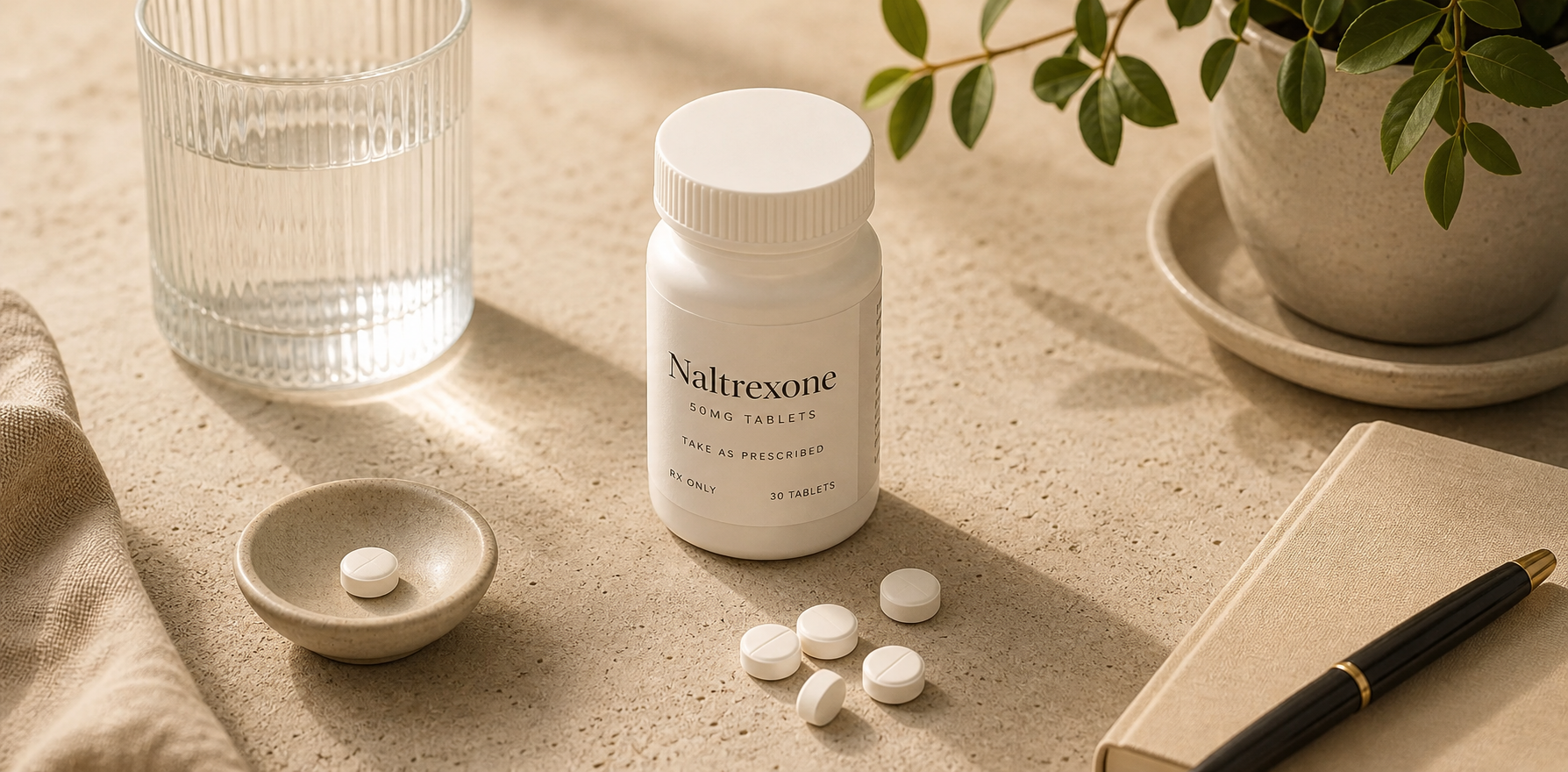
Naltrexone is a prescription medication that blocks opioid receptors in the brain. As an opioid antagonist, it occupies those receptors without activating them, which is why it produces no high and carries no addiction risk.
The FDA first approved it for opioid use disorder in 1984, then later for alcohol use disorder, giving it over 30 years of clinical use. It remains one of the few medications with solid, long-standing evidence for both conditions.
It comes as a daily oral tablet (50 mg) or a monthly injection (Vivitrol), and any licensed prescriber can write the prescription.
Is Naltrexone a Controlled Substance?
Naltrexone is not a controlled substance. The DEA has not scheduled it under the federal Controlled Substances Act, and any licensed prescriber can write the prescription without special registration or restrictions.
According to Drugs.com (reviewed September 2026), naltrexone produces no high, cannot be misused for intoxication, and stopping it does not cause withdrawal. Those are the core criteria the DEA uses to schedule a drug, and naltrexone clears none of them.
This makes it far simpler to access than medications like buprenorphine or methadone, which require DEA-certified providers and tighter dispensing rules. No special waiver is needed, which is part of why telehealth services can prescribe it.
Controlled Substances vs. Prescription-Only Medications
Prescription requirements and controlled substance designations are two different things, though people often assume they go hand in hand.
A controlled substance is a drug the DEA has formally scheduled from Schedule I through Schedule V based on abuse or dependence potential. Schedule II drugs like oxycodone require strict dispensing records and prescriber limits, while Schedule III and IV drugs carry tighter refill rules.
A prescription-only medication simply requires a licensed provider to authorize it. No DEA scheduling, no special registration.
Naltrexone falls in that second category. You still need a prescription, but your provider needs no DEA waiver or special certification to write one.
Is Naltrexone a Narcotic or Opioid?
Naltrexone blocks opioid receptors without activating them. That distinction separates an antagonist from an opioid: opioids bind to receptors and trigger euphoria or sedation, while naltrexone occupies those same receptors and produces neither. No high, no sedation, no physical dependence, no withdrawal when you stop.
It's also worth separating naltrexone from naloxone (Narcan). Naloxone is fast-acting and used to reverse an overdose in an emergency. Naltrexone is a longer-acting maintenance medication taken daily to reduce cravings and blunt the reward of drinking or opioid use.
How Naltrexone Works
When you drink, your brain releases endorphins that bind to opioid receptors and generate a reinforcing reward signal. That signal is part of why drinking can start to feel automatic. Naltrexone binds to those same receptors first, blocking the reward before it registers. Less reward, less reinforcement.
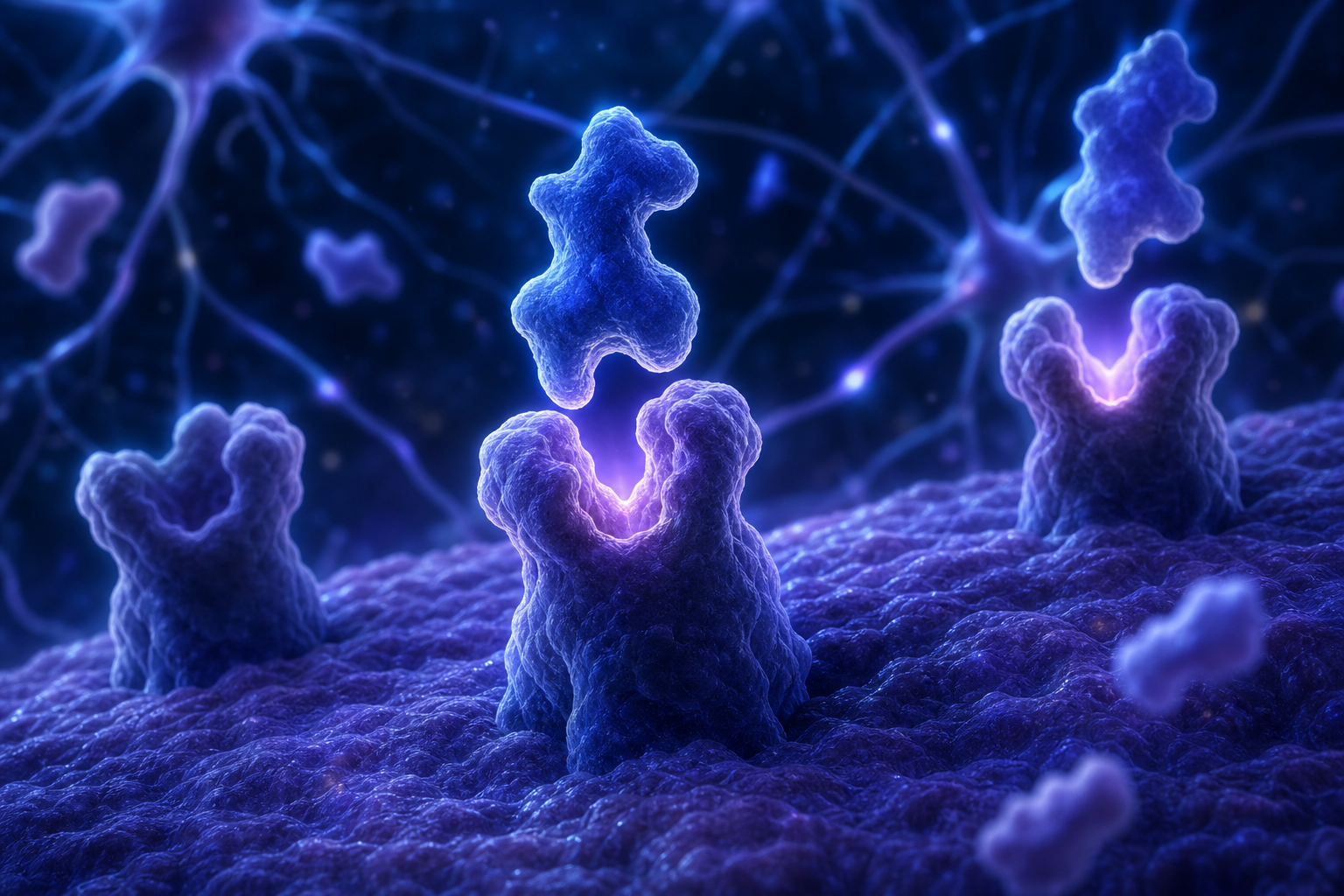
Over repeated exposures, this is sometimes called "pharmacological extinction," which is how naltrexone helps you drink less over time, as the brain's learned association between drinking and pleasure gradually weakens, reducing cravings. This works the same way whether you take the 50 mg oral tablet daily or the extended-release Vivitrol injection monthly.
FDA-Approved Uses of Naltrexone
Naltrexone has two FDA-approved indications: alcohol use disorder and opioid use disorder. SAMHSA identifies it as one of three FDA-approved medications for alcohol use disorder, alongside acamprosate and disulfiram. It comes as a daily 50 mg oral tablet or a 380 mg extended-release injectable (Vivitrol) given once monthly.
Naltrexone Dosage: Oral Tablet vs. Injectable
Form | Dose | Frequency |
|---|---|---|
Oral tablet | 50 mg | Daily (or as-needed before drinking) |
Injectable (Vivitrol) | 380 mg | Once monthly |
The standard oral dose is 50 mg taken once daily. For alcohol use disorder, some clinicians prescribe it differently: taken only before a planned drinking occasion. This approach, often called the Sinclair Method, blocks the reward signal during drinking events and not around the clock, which is part of when to take naltrexone worth discussing with your clinician.
The 380 mg monthly injection (Vivitrol) delivers the same active ingredient in extended-release form, removing the need for a daily pill. Any dosing decisions should come from your prescribing clinician.
Naltrexone Side Effects: What to Expect
Most people tolerate naltrexone well. At the 50 mg dose, the most common naltrexone side effects are nausea, fatigue, headache, and reduced appetite. These tend to appear early and fade within the first one to two weeks. Taking the tablet with food helps reduce nausea.
One serious caution relates to naltrexone and liver safety: it can raise liver enzymes at high doses, so patients with existing liver concerns may need periodic monitoring. More urgently, never take naltrexone if you've used opioids in the past 7 to 10 days, as it will trigger immediate, severe precipitated withdrawal. That includes heroin, fentanyl, oxycodone, and codeine.
Side Effects in the First Week and How Long They Last
Nausea, stomach discomfort, and reduced appetite are the side effects most likely to show up in week one, and they're also the most likely to leave on their own. GI symptoms typically peak in the first few days and ease by the end of the second week. Taking the tablet with food is the simplest way to reduce nausea if it appears.
Sleep disturbances, including vivid dreams or lighter sleep, are sometimes reported early in treatment. Stopping naltrexone does not cause physical withdrawal, so you can discontinue without tapering if side effects become difficult, which often raises the question of how long to take naltrexone.
Low Dose Naltrexone: Uses, Benefits, and Side Effects
Low dose naltrexone (LDN) refers to doses in the 1 mg to 4.5 mg range, roughly one-tenth of the standard 50 mg dose. At that fraction, the medication appears to work through a different mechanism: immune modulation instead of addiction treatment.
At low doses, the brief receptor blockade is thought to trigger a rebound effect. This may influence microglial activity and TLR4 pathways, both linked to neuroinflammation. Researchers have studied LDN in fibromyalgia, multiple sclerosis, and Crohn's disease for this reason, though none of these uses are FDA-approved, a separate matter from the standard dose used by people who want to drink less but not quit completely. The evidence base remains largely in early-stage trials, and side effects at these doses tend to be mild, with sleep disturbances being the most common early complaint.
Naltrexone and Weight Loss
Naltrexone 50 mg on its own is not FDA-approved for weight loss. A 2006 placebo-controlled trial published in Obesity Research found naltrexone monotherapy produced no meaningful weight loss compared to placebo, and the evidence base for using it solo as a weight management tool has not meaningfully expanded since.
The approved option is naltrexone paired with bupropion, sold as Contrave. The FDA approved it in 2014 as an adjunct to a reduced-calorie diet and increased physical activity for chronic weight management. Bupropion suppresses appetite through dopamine pathways, and naltrexone blocks the feedback loop that would otherwise dampen that effect, letting it work more consistently.
If you're asking about naltrexone 50 mg alone, your prescribing clinician is the right person to assess what makes sense for your situation. Onir prescribes naltrexone 50 mg on its own (not the Contrave combination), so that's the version this discussion applies to.
What to Avoid When Taking Naltrexone
Opioids are the one category that cannot be combined with naltrexone under any circumstances. Taking naltrexone while opioids are still in your system triggers precipitated withdrawal, which is severe and immediate. This includes prescription painkillers like oxycodone and codeine, as well as heroin and fentanyl. You need to be fully opioid-free for at least 7 to 10 days before starting.
A few other things worth knowing:
- Opioid-containing cough medicines should be avoided, as common OTC products often list codeine or hydrocodone as active ingredients
- Opioid-based anesthesia during surgery requires advance planning with your surgical team
- Alcohol does not cause a dangerous physical reaction with naltrexone the way disulfiram does, so there is no sickness penalty for drinking on it, which is partly why it fits strategies for how to drink less without quitting completely
Tell your prescriber about all current medications before starting. Naltrexone has few drug interactions outside of opioids, but your full picture matters for safe prescribing.
Who Should Not Take Naltrexone
Naltrexone is well-tolerated by most people, but a few situations make it genuinely inappropriate.
- Currently using opioids: if heroin, fentanyl, oxycodone, or any opioid is still in your system, naltrexone will trigger precipitated withdrawal immediately.
- Acute hepatitis or liver failure: naltrexone is processed by the liver, and active liver disease is a hard contraindication.
- Pregnancy or breastfeeding: safety has not been confirmed.
- Prior hypersensitivity to naltrexone or any of its inactive ingredients.
One separate concern worth noting: if you're a heavy daily drinker, stopping alcohol abruptly can cause serious withdrawal on its own, including seizures, regardless of naltrexone. That's a clinical conversation to have before you start.
The Treatment Gap in Alcohol Use Disorder
According to Addiction Policy Forum's 2025 drug use survey, 25.7 million people ages 12 and older had alcohol use disorder in 2025, yet only a small fraction receive medication treatment.
Naltrexone requires no DEA waiver and no specialized clinic. Any licensed prescriber can write the prescription. Most people with AUD still never receive it, largely because awareness is low, stigma keeps them from seeking help, or they simply don't know private help to drink less is available.
How Onir Makes Naltrexone Accessible
Onir prescribes FDA-approved generic naltrexone hydrochloride 50 mg tablets through a fully online process built to remove the friction that keeps most people from ever starting treatment. The intake form takes about 15 to 20 minutes. A board-certified clinician licensed in your state reviews it, typically within 24 hours, via secure asynchronous text-based chat, and if approved, the prescription goes to the pharmacy the same day.
Because naltrexone carries no DEA scheduling, any licensed clinician can prescribe it without a special waiver. Medication ships in plain, unmarked packaging from InnovaScript, a mail-order pharmacy licensed in all 50 states and DC, with a typical 5 to 7 business day window from intake to medication in hand, details you can read more about in our resources.
Onir operates on a self-pay basis, so there is no insurance claim and no employer paper trail. See how much Onir costs for a full breakdown. Substance use treatment records also carry additional federal protections under 42 CFR Part 2, meaning they generally cannot be shared with anyone without your explicit written consent.
Final Thoughts on Naltrexone Uses, Side Effects, and Access
Naltrexone blocks the reward signal instead of replacing it, which is a genuinely different way of thinking about alcohol use disorder. The side effects tend to be short-lived, and the prescription process is simpler than most people expect. Worth knowing your options before assuming treatment is out of reach.
FAQ
Is naltrexone a controlled substance, and do I need a special doctor to prescribe it?
Naltrexone is not a controlled substance. The DEA has not scheduled it under the Controlled Substances Act. Any licensed prescriber can write the prescription without a special waiver or DEA certification, which is why telehealth services can prescribe it and why it's far easier to access than medications like buprenorphine or methadone.
What are the naltrexone side effects in the first week, and how long do they last?
The most common side effects are nausea, stomach discomfort, and reduced appetite, and they tend to peak in the first few days then ease by the end of week two. Taking the tablet with food is the simplest way to reduce nausea. Naltrexone does not cause physical withdrawal when you stop, so you can discontinue without tapering if side effects become difficult.
How does medication-assisted treatment for alcohol use disorder actually work with naltrexone?
Naltrexone blocks the opioid receptors that carry the reward signal your brain releases when you drink. When that reinforcement signal gets blocked repeatedly, the brain's learned association between drinking and pleasure gradually weakens over time, a process researchers call pharmacological extinction. It's not about willpower or white-knuckling; it's about changing what drinking does in your brain so the pull toward it softens on its own.
Can I get naltrexone prescribed privately, without my employer or insurance finding out?
Yes. Telehealth services like Onir operate on a self-pay basis, so there is no insurance claim and no employer paper trail from treatment. Substance use treatment records also carry additional federal protections under 42 CFR Part 2, which means they generally cannot be shared with anyone, including other healthcare providers, without your explicit written consent.
What should I avoid when taking naltrexone 50 mg?
Opioids are the one category that cannot be combined with naltrexone under any circumstances. Taking naltrexone while opioids are still in your system triggers immediate, severe precipitated withdrawal, and you need to be fully opioid-free for at least 7 to 10 days before starting. Beyond that, opioid-containing cough medicines (some list codeine or hydrocodone) should be avoided, and if you're scheduled for surgery, your surgical team needs to know in advance so they can plan around opioid-based anesthesia.
The science behind Onir has been covered by
82%
drinking less within two weeks
30+ yrs
FDA-approved & clinically studied
1,200+
clinical studies behind it
$99
per month, shipped discreetly
In their words
“I set one alarm for 5 p.m. and stopped thinking about it. Three weeks later the second glass just wasn't interesting anymore. No willpower involved.”
Individual results vary.
A quieter next step, when you want one
If practical changes have not been enough, a licensed clinician can review the rest privately. It doesn't commit you to anything.
60 seconds · 11 questions · Fully refunded if you're not approved