Onir Resources
Drinking on Naltrexone: October 2026 Guide
See how naltrexone changes drinking, what side effects to expect, and how the Sinclair Method works in 2026.

By Justine Fowey, Onir Health Editorial Team
If this describes your evenings, a licensed clinician can review the rest privately. Takes 60 seconds.
Your doctor mentioned naltrexone, and now you're staring at the bottle trying to figure out the ground rules. Can you drink on naltrexone without a bad reaction? Will it make alcohol taste weird? Will you still get drunk? The answers are more layered than a simple yes or no, but they start with one key fact: naltrexone doesn't punish you for drinking. It just takes the shine off it.
TLDR:
- Yes, you can drink on naltrexone. It blocks the "buzz," not the impairment.
- Most people notice cravings weaken within 10 to 14 days of starting.
- The Sinclair Method pairs naltrexone with drinking to retrain your brain over time.
- Never take naltrexone if you've used opioids in the past 7 to 10 days.
- Onir prescribes naltrexone 50 mg online with clinician review in about 24 hours.
How Naltrexone Works When You Drink
Yes, you can drink on naltrexone. The medication won't stop you from picking up a glass or swallowing what's in it. What changes is how drinking feels.
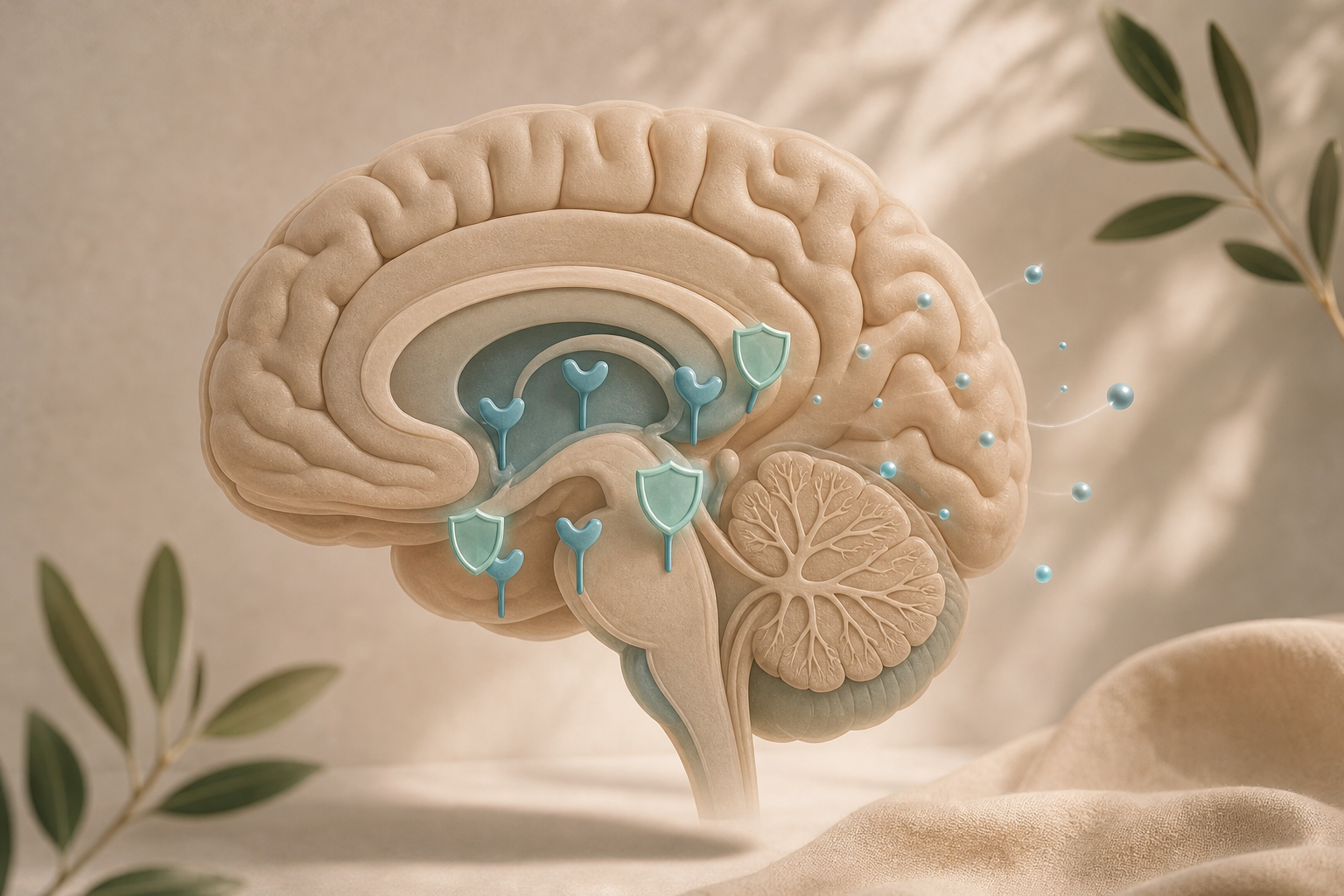
When you drink alcohol, your brain releases endorphins that bind to opioid receptors, creating the rewarding "buzz" that makes another round sound like a good idea. Naltrexone blocks those receptors. The endorphins still show up, but they have nowhere to land. Alcohol feels flatter, less interesting. You might finish a drink and realize you don't particularly want another one.
Over time, this weakens the learned connection between alcohol and pleasure. Your brain gradually stops expecting a reward from drinking, which is why naltrexone helps curb cravings to drink instead of requiring sheer willpower to override. SAMHSA describes naltrexone as a medication that blocks the euphoric effects and feelings of intoxication, helping people reduce their drinking.
What Happens if You Drink Alcohol While Taking Naltrexone
Naltrexone doesn't create a safety net around alcohol. You can still get drunk, lose coordination, slur your words, and make decisions you'd rather not revisit in the morning. The medication changes the reward signal, not the impairment. Alcohol still affects your balance, reaction time, and judgment in all the usual ways.
What's different is the emotional payoff. Many people describe drinking on naltrexone as oddly unsatisfying. The warmth or looseness they used to chase just doesn't arrive the way it used to, so they lose interest partway through. That muted pleasure is the medication doing its job, but it won't protect you from alcohol poisoning or a bad fall.
One thing worth knowing: naltrexone is nothing like disulfiram (Antabuse). Disulfiram forces an unpleasant physical reaction if you drink, including flushing, nausea, and vomiting. Naltrexone doesn't do that. As Drugs.com notes, you can still get drunk, impaired, and injured if you drink while taking it.
Side Effects of Naltrexone Combined With Alcohol
Common naltrexone nausea and side effects include fatigue, headache, and reduced appetite. These tend to be mild and subside within the first week or two. Taking naltrexone with food helps reduce nausea.
Drinking while you're still adjusting to the medication can amplify some of these effects. Nausea in particular may feel worse if you're combining a new prescription with a few glasses of wine. That said, the combination won't make you violently ill the way disulfiram would.
Naltrexone and liver safety deserves a separate mention. Naltrexone requires liver function monitoring because, at high doses, it has been associated with liver stress. Heavy drinking already taxes the liver on its own. Your clinician will want to keep an eye on liver enzymes, especially early in treatment. If you have a history of hepatitis or liver disease, flag that during your intake so the care team can weigh the risks properly.
The Sinclair Method: Taking Naltrexone Before Drinking
The Sinclair Method, developed by Dr. John D. Sinclair, reverses the usual approach. Instead of timing your naltrexone dose every morning regardless of your plans, you take it only when you intend to drink, at least one hour before your first sip.

The logic is straightforward. Each time you drink with naltrexone on board, the expected reward never fully arrives. Your brain registers that disconnect. Session after session, the association between alcohol and pleasure weakens. Sinclair called this "pharmacological extinction," borrowing from behavioral psychology: remove the reinforcement often enough and the learned behavior fades. As the Sinclair Method site explains, treatment success depends on continued drinking in combination with naltrexone, because drinking without the reward signal is what retrains the brain.
Results aren't instant, and consistency matters: skipping the pill before a drinking session means that session reinforces the old reward loop instead of weakening it. How long the process takes varies, which is why understanding how long to take naltrexone for lasting results is worth reading separately. The approach appeals to people who aren't ready for full abstinence or who want a path that meets them where they are. Daily dosing, by contrast, is often paired with an abstinence goal. We'll cover the differences between the two approaches in the next section.
Daily Dosing vs. As Needed: Choosing the Right Approach
Two main ways to take oral naltrexone exist, and the right one depends on what you're working toward.
Daily dosing (50 mg) | As-needed dosing (Sinclair Method) | |
|---|---|---|
When you take it | Every morning, regardless of plans | At least one hour before drinking |
Typical goal | Abstinence or broad craving reduction | Gradual reduction in consumption |
Missed-dose risk | Skipping a day leaves cravings uncovered | Only matters on days you drink |
Best fit | People committed to not drinking at all | People who still drink but want to cut back |
Daily dosing keeps opioid receptors blocked around the clock, which can help if your cravings are unpredictable or if you're aiming to stop entirely. As-needed dosing requires more planning, since the tablet needs that one-hour lead time, but it avoids medicating on days you weren't going to drink anyway.
For people who struggle with pill consistency, there's a third option among medications to cut back on alcohol: Vivitrol, an extended-release injectable given once every four weeks at 380 mg. A healthcare provider administers it, so adherence is built in. Worth discussing with your clinician if daily or as-needed dosing feels like too much to manage on your own.
What to Avoid While Taking Naltrexone
The most serious rule: never take naltrexone if you've used opioids in the past 7 to 10 days. That includes heroin, fentanyl, oxycodone, codeine, and prescription painkillers. Naltrexone will trigger immediate, severe opioid withdrawal, not a gradual discomfort but an acute crisis requiring emergency care.
Beyond opioids, keep a few other boundaries in mind:
- Naltrexone does not make alcohol "safe." Your liver still processes every drink, and heavy drinking while on the medication carries the same organ damage risks it always did.
- Avoid opioid-containing cough syrups or cold medications. They can interact the same way prescription opioids do.
- Tell your clinician about all current medications during intake, including over-the-counter drugs, so they can flag anything that shouldn't overlap.
If you need surgery or pain management while on naltrexone, let every provider involved know. Standard opioid painkillers won't work as expected, and alternative pain control strategies will need to be arranged ahead of time.
Naltrexone vs. Other Medications for Alcohol Use Disorder
Three FDA-approved medications exist for alcohol use disorder, and they work in fundamentally different ways.
Medication | How it works | Can you drink on it? |
|---|---|---|
Naltrexone | Blocks opioid receptors, reducing cravings and the rewarding feeling from alcohol | Yes, and with TSM, drinking is part of treatment |
Acamprosate | Helps restore brain chemistry disrupted by chronic alcohol use | No, designed for people who have already stopped drinking |
Disulfiram (Antabuse) | Causes nausea, flushing, and vomiting if you drink | Technically possible, but intensely unpleasant by design |
Acamprosate may work best if you've already quit and want help staying there, and comparative studies suggest it's slightly more effective at maintaining abstinence, though the evidence isn't definitive. It calms the neural instability that lingers after prolonged heavy drinking, but you need to be abstinent before starting it.
Disulfiram takes the opposite tactic: pure deterrence. Drinking on it makes you feel terrible, and that fear of a reaction keeps some people sober. Of the three, only naltrexone is designed to be taken while you're still drinking, making it the clear choice if your goal is gradual reduction instead of immediate abstinence.
Practical Tips for Reducing Alcohol Intake on Naltrexone
A pill alone won't do the heavy lifting. Naltrexone works best when you build structure around it.
- Track every drink. A simple notes app or habit tracker gives you real data on how your consumption moves week to week. Without a record, progress feels invisible.
- Set concrete targets. "Drink less" is too vague. Try something measurable: three alcohol-free days per week, or a two-drink cap on nights out.
- Time your dose right. If you're using the as-needed approach, that one-hour window before your first sip matters. Set a phone reminder so it becomes automatic.
- Pair medication with counseling or a support group. Naltrexone quiets the craving; therapy helps you understand why the craving was there in the first place.
Most people notice a shift within 10 to 14 days, with cravings weakening and alcohol feeling less appealing, following a naltrexone work timeline that builds gradually week by week. Having a plan for what you do instead of pouring another drink, whether that's a walk, a sparkling water, or just going to bed earlier, turns a pharmacological advantage into an actual lifestyle change.
Who Should Not Drink on Naltrexone
For some people, drinking on naltrexone isn't the right starting point, and for others, naltrexone itself is off the table.
If you drink heavily every day, stopping abruptly can cause dangerous withdrawal symptoms, including seizures. You may need medically supervised detox before starting any medication. For those who think, drinking less without quitting, a clinician can help you figure out whether tapering or inpatient support should come first.
Naltrexone should not be taken if you:
- Have acute hepatitis or liver failure
- Are pregnant or breastfeeding
- Have used any opioid in the past 7 to 10 days
If you're unsure whether your situation fits, or you simply want to know how to drink less without quitting, complete an intake assessment and let a clinical team review your history. They'll be straightforward if naltrexone isn't appropriate and can point you toward what might work instead.
How Onir Prescribes Naltrexone for People Who Want to Drink Less
At Onir, we prescribe FDA-approved generic naltrexone hydrochloride 50 mg tablets through a process that takes about 15 to 20 minutes to start. You fill out an online intake covering your drinking history, health background, and current medications. A licensed clinician reviews it, usually within 24 hours, and responds through secure asynchronous chat to confirm whether naltrexone is the right fit.
If approved, your prescription ships through InnovaScript, a mail-order pharmacy licensed in all 50 states and DC. The whole thing is self-pay and HIPAA-compliant, with no insurance claims filed and no paper trail sent to your employer or primary care doctor unless you ask. If you're wondering how much Onir costs, pricing details are laid out separately.
Whether your goal is fewer drinks on weeknights or quitting entirely, the clinician builds the plan around where you are now, and it can shift as your goals do.
Treatment is a subscription that covers clinician consultations, prescription management, and ongoing care team access via messaging. If something isn't working, your clinician can adjust the approach at a follow-up. You can cancel anytime.
Final Thoughts on Taking Naltrexone While Still Drinking
About 28 million people in the U.S. live with alcohol use disorder, yet fewer than 3% receive medication to help them cut back or quit. You don't have to quit cold turkey to start making progress. Naltrexone works with your drinking, not against it, by quietly dimming the reward your brain expects. Over weeks and months, that shift adds up. Talk to a clinician about which dosing approach fits your life and your goals.
FAQ
Can you drink on naltrexone without getting sick like you would on Antabuse?
Yes. Naltrexone does not cause nausea, flushing, or vomiting when you drink the way disulfiram (Antabuse) does. It works differently: it blocks the opioid receptors that carry the pleasurable "buzz" from alcohol, so drinking feels less rewarding over time. You can still drink and still get drunk on naltrexone, but many people find they lose interest partway through because the emotional payoff is muted.
Oar Health vs Ria Health vs Onir for cutting back on alcohol with naltrexone?
All three are telehealth services that can prescribe naltrexone, but they differ in structure and cost. Ria Health typically involves video calls, breathalyzer tracking, and insurance billing; Oar Health offers a simpler prescription model. Onir is fully self-pay with no insurance paper trail, ships a 90-day supply of FDA-approved generic naltrexone through a licensed pharmacy, and handles all clinician consultations through asynchronous messaging instead of scheduled video appointments.
What is naltrexone and how does it help with drinking less?
Naltrexone is an FDA-approved, non-addictive medication that blocks the opioid receptors in your brain responsible for the rewarding feeling alcohol produces. Over time, this weakens the learned connection between drinking and pleasure, so cravings fade without relying on willpower alone. It has been FDA-approved for treating alcohol use disorder for over 30 years and can be taken daily or on an as-needed basis before drinking (the Sinclair Method).
How do I reduce alcohol intake without going cold turkey?
Start by pairing naltrexone with a few structural habits: track every drink so you have real data, set a concrete weekly target (like three alcohol-free days or a two-drink cap), and time your dose at least one hour before your first sip if you're using the as-needed approach. Most people notice cravings weakening within 10 to 14 days, and adding counseling or a support group alongside medication tends to produce stronger, longer-lasting results.
What is the most affordable way to get help drinking less without therapy or rehab?
Prescription naltrexone through a telehealth service like Onir is one of the lowest-friction options. The program fee covers clinician access, prescription management, and ongoing support over a 90-day cycle, and many members report saving more than the program cost from drinking less in the first few months. Free resources like SAMHSA's National Helpline (1-800-662-4357) and SMART Recovery online meetings can supplement medication if you want peer support without the cost of traditional therapy.
The science behind Onir has been covered by
82%
drinking less within two weeks
30+ yrs
FDA-approved & clinically studied
1,200+
clinical studies behind it
$99
per month, shipped discreetly
In their words
“I set one alarm for 5 p.m. and stopped thinking about it. Three weeks later the second glass just wasn't interesting anymore. No willpower involved.”
Individual results vary.
A quieter next step, when you want one
If practical changes have not been enough, a licensed clinician can review the rest privately. It doesn't commit you to anything.
60 seconds · 11 questions · Fully refunded if you're not approved