Onir Resources
Foods and Medications to Avoid With Naltrexone October 2026
Updated for October 2026: what foods, meds, and substances to avoid on naltrexone, plus side effect management tips.

By Justine Fowey, Onir Health Editorial Team
· Updated
If this describes your evenings, a licensed clinician can review the rest privately. Takes 60 seconds.
Getting started on naltrexone raises a lot of questions, and the medication list question is one of the more important ones. What you eat, drink, or take alongside it can affect how well it works and how you feel. The good news is most of it comes down to a handful of things worth knowing upfront.
TLDR:
- Avoid all opioids while on naltrexone; you need 7-10 days opioid-free before starting to prevent severe withdrawal.
- Common OTC products like NyQuil, Robitussin, and Imodium contain opioid derivatives that interact with naltrexone.
- Most side effects like nausea and headaches fade within 7-14 days; taking naltrexone with food helps early on.
- Stopping naltrexone drops your opioid tolerance, so a dose that once felt safe can now cause overdose.
- Onir reviews your full medication and health history before prescribing, catching interactions before they become problems.
What Naltrexone Is and How It Works
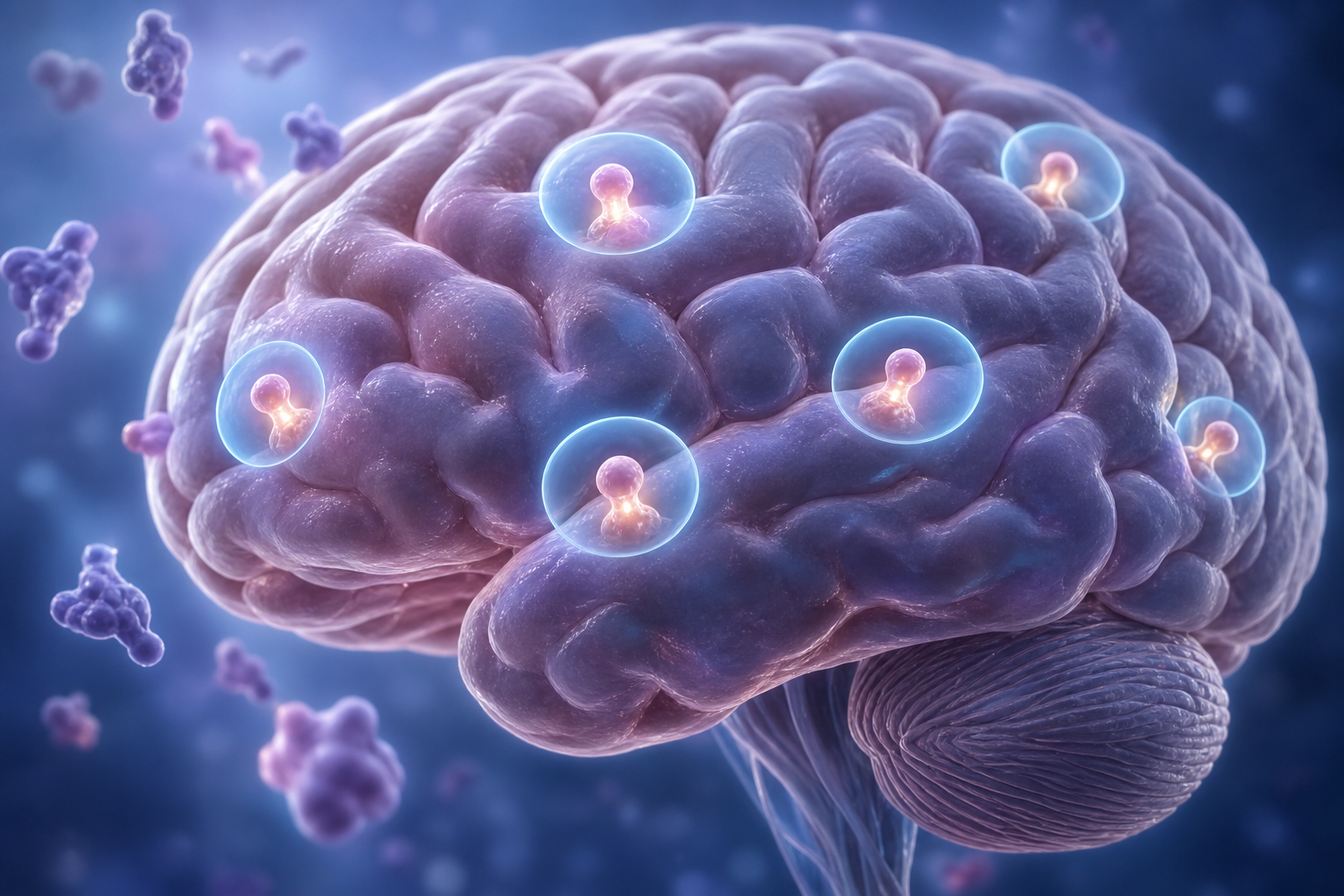
Naltrexone is an opioid receptor antagonist. The mechanism is straightforward: it binds to the brain's opioid receptors and blocks them, so substances that normally trigger a rush of pleasure (alcohol, opioids) lose much of their reinforcing effect. No reward signal, no pull.
The FDA first approved naltrexone for opioid use disorder, and later for alcohol use disorder. According to SAMHSA, it works by blocking the euphoric and rewarding effects that make these substances so hard to walk away from.
That receptor-blocking mechanism is exactly why the avoidance guidelines below matter. Because naltrexone occupies opioid receptors so aggressively, anything that also acts on those receptors, or that the liver processes through the same pathways, can create serious problems.
Who Should Not Take Naltrexone
Naltrexone works well for a lot of people, but there are clear situations where it isn't appropriate. Knowing whether you fall into one of these categories before you start matters more than any dosing question.
- Active opioid use: If you've used opioids in the past 7 to 10 days, naltrexone will push those opioids off receptors abruptly, triggering immediate, severe withdrawal. This is the reason clinicians ask about opioid history before prescribing anything.
- Acute hepatitis or liver failure: Naltrexone is metabolized by the liver, and at standard doses it carries a liver-related warning. Active liver failure puts you outside the safe window for this medication.
- Pregnancy or breastfeeding: Safety data is insufficient to recommend naltrexone for pregnant or breastfeeding individuals. A clinician should review all treatment options in that context.
- Need for medically supervised detox: Heavy daily drinkers can face dangerous withdrawal when they stop abruptly, and understanding naltrexone side effects like nausea ahead of time helps you prepare. If that describes your situation, medical supervision comes first, before starting any medication.
If you're unsure whether any of these apply to you, a licensed clinician can review your history and will be upfront if naltrexone isn't the right fit.
Opioids: The Most Critical Interaction
Taking opioids while on naltrexone causes precipitated withdrawal, which is abrupt and severe. Naltrexone physically displaces opioids from receptors all at once, triggering intense cramps, vomiting, and sweating within minutes.
According to UMass Medical School, naltrexone should only be started after at least 5 to 7 days free from opioids. Short-acting opioids require 7 to 10 days; long-acting opioids like methadone may need 10 to 14 days.
Other Medications to Avoid or Use With Caution
Opioids are the headline concern, but they show up in more places than most people expect. Several common over-the-counter products contain opioid derivatives, and naltrexone will interact with all of them.
- Cough medications: products containing codeine will be blocked by naltrexone and can trigger withdrawal symptoms. Dextromethorphan (DXM), found in many OTC cough medicines like NyQuil and Robitussin, acts on opioid receptors at higher doses, so check labels carefully.
- Anti-diarrheal medications: loperamide (Imodium) is technically an opioid that doesn't cross the blood-brain barrier at normal doses. A P-glycoprotein transporter acts as a gatekeeper and keeps it out of the CNS, but at higher doses that barrier can be overcome, which means it can interact with naltrexone. (Missouri Poison Center)
- Immunosuppressants: if you're on immunosuppressive therapy, tell your prescribing clinician before starting naltrexone, as it's an important part of your medication history to review together.
Always give your clinician a complete medication list, including OTC supplements. A seemingly harmless cold medicine may contain an ingredient that works against you.
Alcohol and Naltrexone: What Actually Happens
Drinking alcohol on naltrexone won't send you into withdrawal. The medication is often prescribed while someone is still drinking, because naltrexone helps you drink less as the blunted reward signal gradually weakens the habit over time.
That said, combining them has real tradeoffs. Both alcohol and naltrexone are processed by the liver, putting extra demand on that organ. Nausea and dizziness, already common early side effects, tend to be worse with alcohol in the mix.
The longer-term concern is liver safety with naltrexone. Heavy drinking alone stresses the liver, and naltrexone at standard doses carries a liver-related warning. Your clinician may want to check liver enzymes periodically if you're drinking heavily while on the medication.
Benzodiazepines, Sleep Aids, and CNS Depressants
Naltrexone itself is not sedating. The concern here is cumulative: people cutting back on alcohol often find their sleep disrupted, anxiety spiking, or restlessness creeping in, and the natural reach is for something to take the edge off.
Benzodiazepines like diazepam or lorazepam, sedating antihistamines like diphenhydramine (Benadryl), and sleep medications like zolpidem all depress the central nervous system. Combining any of them with naltrexone doesn't create the same acute danger that opioids do, but layered CNS depression raises the risk of excessive sedation, impaired coordination, and respiratory slowing. If you're already dealing with fatigue as a side effect, adding a sedative makes that harder to manage.
Talk to your clinician before reaching for any of these. Safer alternatives for sleep disruption during early treatment often exist.
Common Side Effects and How Long They Last
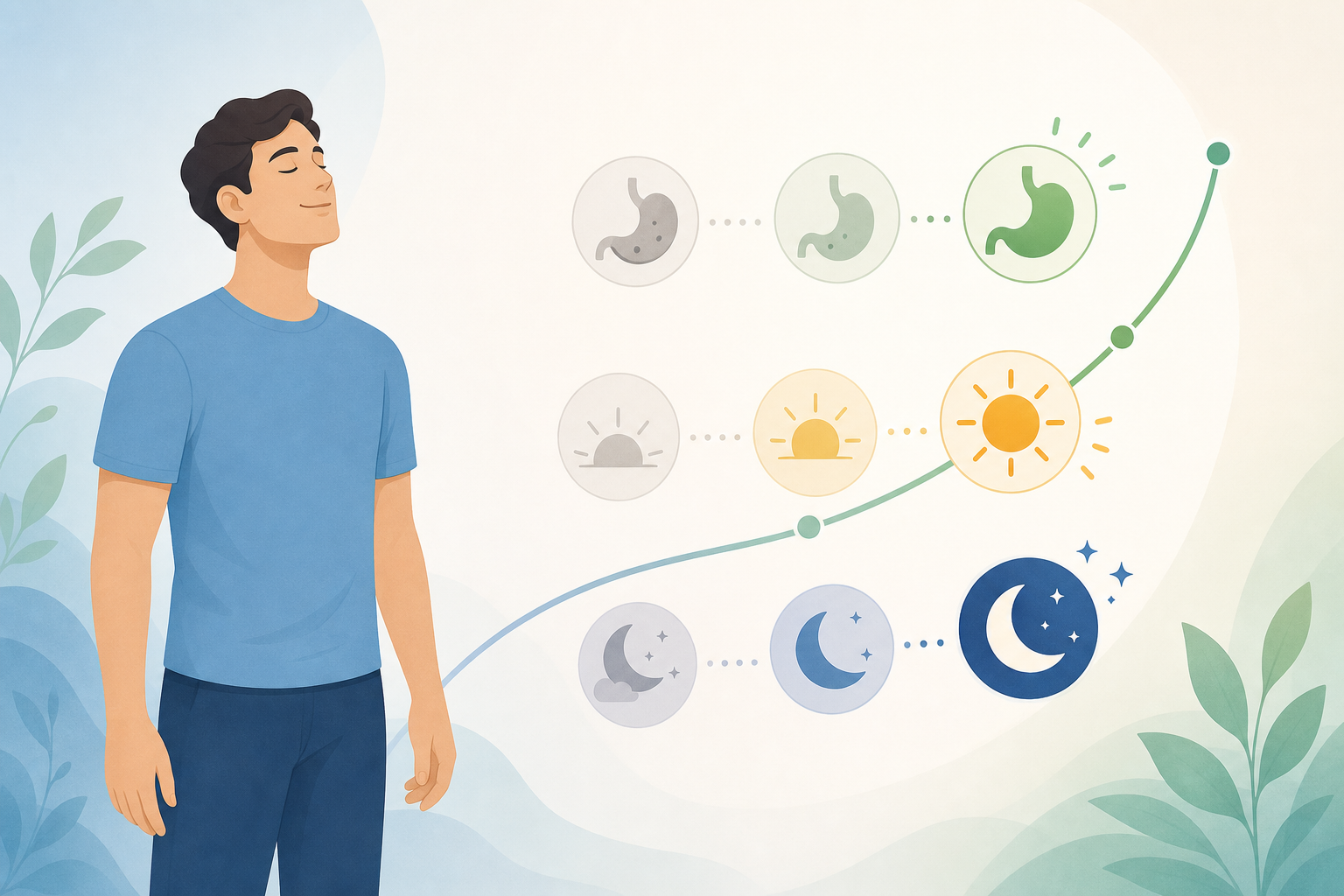
Most people starting naltrexone experience some combination of nausea, headache, fatigue, and reduced appetite in the first week or two. Sleep disturbances show up too, particularly with low-dose naltrexone. These typically resolve on their own as your body adjusts.
Here is a rough timeline for what to expect:
Side Effect | Typical Duration | How to Manage |
|---|---|---|
Nausea | Most common in week one | Take the medication with food |
Headache & fatigue | Usually fades within 7 to 14 days | Rest; resolves as body adjusts |
Reduced appetite | Can persist longer; generally mild | Monitor but typically needs no intervention |
Sleep disturbances | Early weeks; more common with LDN | Take your dose in the morning to reduce overnight disruption |
The distinction between full-dose (50 mg) and low-dose (typically 1.5 to 4.5 mg) matters here. Full doses carry a more pronounced side effect profile and stronger liver-related warnings, while low doses tend to be gentler overall, though sleep disruption is the most frequently reported complaint in the early weeks.
If side effects are not settling after two to three weeks, raise it with your clinician, and if you're wondering about how long to take naltrexone, that's worth discussing too.
Serious Side Effects to Monitor
Naltrexone carries an FDA boxed warning for hepatotoxicity, but context matters. That warning stems from trials using doses far above the standard 50 mg therapeutic range. At prescribed doses, research has generally found naltrexone safe in patients without severe pre-existing liver disease.
Liver-related symptoms are worth knowing. Contact your clinician promptly if you notice:
- Yellowing of the skin or eyes (jaundice)
- Persistent abdominal pain, especially in the upper right side
- Dark urine or unusually pale stools
- Unexplained fatigue that worsens over time
Some people also report increased anxiety or low mood in the early weeks, particularly as alcohol's role as a coping tool diminishes, which is where mental health coaching can help. Flag that to your care team instead of waiting it out.
None of these symptoms confirm naltrexone as the cause, but they warrant clinical attention.
Special Situations: Surgery, Pregnancy, and Pain Management
Three situations require planning well before they arise.
For scheduled surgery, oral naltrexone is typically stopped approximately 72 hours before the procedure so opioid-based pain control can work if needed, though exact timing should be confirmed with your surgical and prescribing team. Extended-release injectable naltrexone (Vivitrol) requires a longer lead time, at least 4 weeks before surgery, since it stays active far longer than the pill. Guidelines on naltrexone and pain management recommend non-opioid medications first after surgery, with opioids reserved for severe acute pain under close monitoring. Tell your surgical team you're on naltrexone well in advance.
For pregnancy and breastfeeding, naltrexone is generally not recommended due to insufficient safety data. Contact your care team right away if you're planning a pregnancy or become pregnant while on it.
For chronic pain, non-opioid options like NSAIDs, nerve blocks, and physical therapy come first, much like how people seek private help to drink less before reaching for medication. If opioids become unavoidable, have that conversation with your prescriber before you're in crisis.
How to Stop Taking Naltrexone Safely
Naltrexone is not physically addictive, and your body does not become dependent on it. For most people, stopping is straightforward and does not require the gradual taper you would need with benzodiazepines or antidepressants.
The real risk after stopping has nothing to do with naltrexone withdrawal. Because opioid receptors were blocked during treatment, your tolerance to opioids drops. A dose that once felt manageable can now cause overdose. That window of increased risk is real, especially in the first days and weeks after the medication clears your system.
Stopping early also tends to let cravings return fast. A quick check-in with your care team before stopping is worth it, especially if your goal is drinking less without quitting completely.
How Onir Supports Safe Naltrexone Use
Starting naltrexone through Onir means a licensed clinician reviews your full medication list, drinking history, and health history before anything is prescribed. Interactions and contraindications get caught at the intake stage, not after the fact.
Onir prescribes FDA-approved generic naltrexone hydrochloride 50 mg tablets, made under FDA quality standards by an FDA-inspected manufacturer, and fulfilled through InnovaScript, a mail-order pharmacy licensed in all 50 states and DC. If questions come up after you start, you can message the care team directly at any time. Follow-up check-ins are built into the subscription, so your progress is actively tracked, and you can see what Onir costs before you start.
In the US, roughly 28 million people aged 12 and older live with alcohol use disorder, yet fewer than 3% receive medication to help them reduce or quit drinking, a gap covered further in our Onir health resources. Accessible, informed prescribing is a straightforward way to close that gap.
Final Thoughts on Naltrexone Interactions, Side Effects, and Safe Use
The risks tied to naltrexone are manageable when you know what to watch for. Opioids are the line you cannot cross while on it, but alcohol, liver health, surgery timing, and common OTC ingredients all deserve a look too. A quick, open conversation with your clinician before you start covers most of it.
FAQ
Can I drink alcohol while taking naltrexone, or do I have to stop first?
You can drink while taking naltrexone. In fact, that's often how it's prescribed. The medication works by blunting the reward signal alcohol triggers, so the habit weakens over time. The real tradeoffs are practical: nausea and dizziness tend to be worse when you combine them, and both naltrexone and alcohol tax the liver, so your clinician may want to monitor liver enzymes if you're drinking heavily during treatment.
What are the most common side effects of naltrexone, and how long do low dose naltrexone side effects last?
Nausea, headache, fatigue, and reduced appetite are the most reported side effects in the first one to two weeks, with sleep disturbances more common at low doses. For most people, these resolve within 7 to 14 days as the body adjusts. Taking the medication with food helps with nausea, and many prescribers recommend taking low dose naltrexone in the morning to reduce sleep disruption.
What should I avoid when taking naltrexone: any foods, OTC medications, or supplements?
The most important thing to avoid is opioids in any form, including opioid-containing cough medicines like codeine syrups, and high-dose loperamide (Imodium). DXM-based cold medicines like NyQuil also warrant label-checking, since DXM acts on opioid receptors at higher doses. There are no specific foods to avoid, but alcohol combined with naltrexone puts extra load on the liver, and your clinician should see your full supplement list before you start.
Can I just stop taking low dose naltrexone suddenly, or do I need to taper off?
You can stop naltrexone without a taper. It's not physically addictive, and your body doesn't become dependent on it the way it would with benzodiazepines or antidepressants. The practical risk after stopping is that opioid tolerance drops during treatment, so a previously manageable opioid dose could cause overdose in the days and weeks after the medication clears your system. A brief check-in with your care team before stopping is worth it, especially if cravings were your reason for starting.
Should I use Onir or a traditional in-person program if I want to cut back on drinking but keep it private?
If privacy is a real concern, the structural differences matter: Onir operates on a self-pay basis with no insurance billing, meaning no claim record and no paper trail that could reach an employer or primary care doctor. Substance use treatment records also carry extra federal protections under 42 CFR Part 2. In-person programs vary widely on how they handle records. For people who want to cut back without disclosing to anyone, an online, self-pay model removes most of the friction that keeps people from starting treatment at all.
The science behind Onir has been covered by
82%
drinking less within two weeks
30+ yrs
FDA-approved & clinically studied
1,200+
clinical studies behind it
$99
per month, shipped discreetly
In their words
“I set one alarm for 5 p.m. and stopped thinking about it. Three weeks later the second glass just wasn't interesting anymore. No willpower involved.”
Individual results vary.
A quieter next step, when you want one
If practical changes have not been enough, a licensed clinician can review the rest privately. It doesn't commit you to anything.
60 seconds · 11 questions · Fully refunded if you're not approved