Onir Resources
How Naltrexone Feels Day by Day
This October 2026 guide breaks down naltrexone's early side effects, timeline, and how it changes your relationship with alcohol.

By Justine Fowey, Onir Health Editorial Team
· Updated
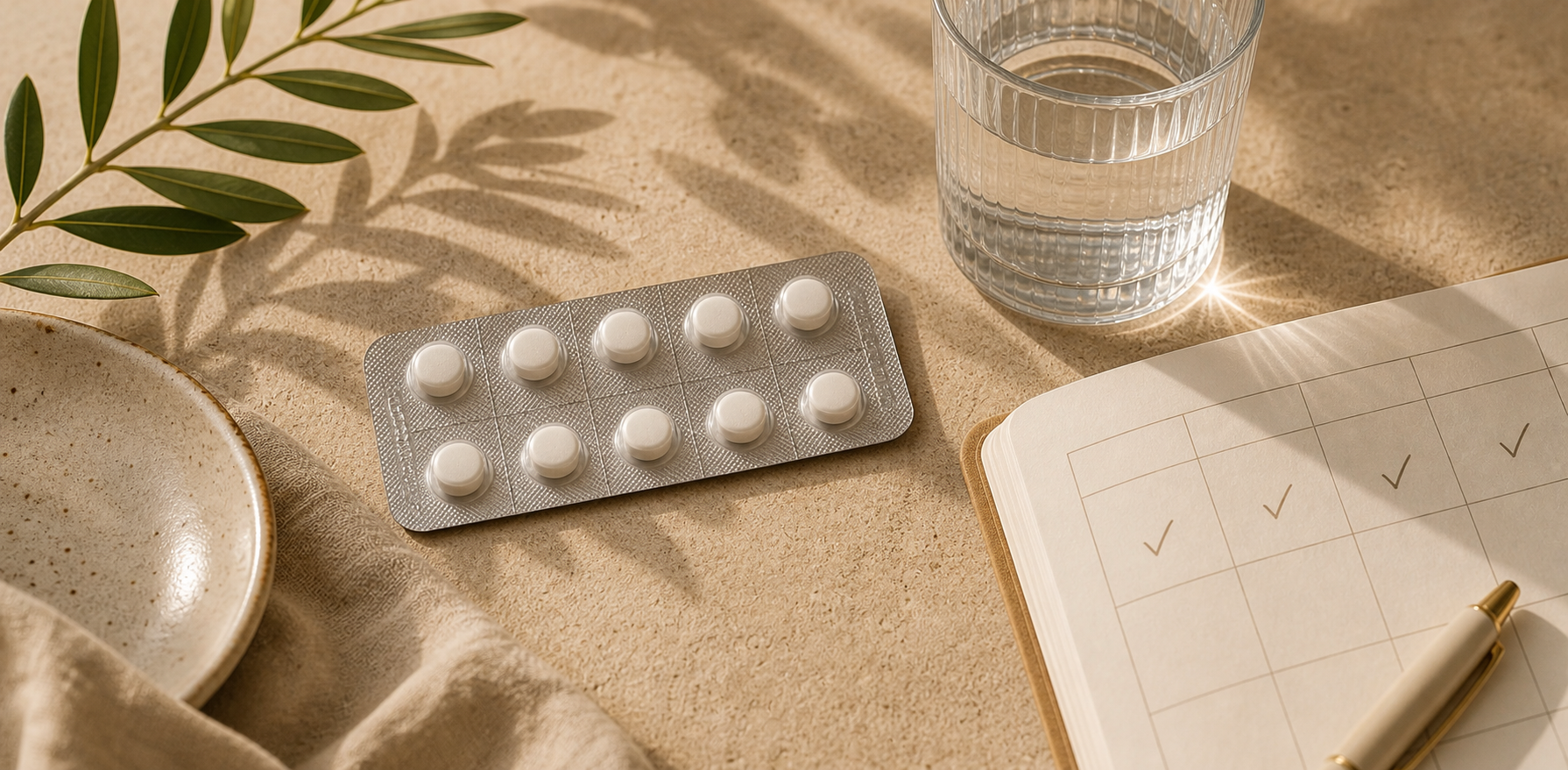
The forums say nausea. The pamphlet says headache. Your friend's cousin said they felt "nothing." If you're piecing together how naltrexone make you feel from scattered Reddit threads and clinical jargon, it's hard to get a clear picture. So let's lay it out plainly: what the first days feel like, what fades, what sticks, and when things start to shift in your favor.
TLDR:
- Naltrexone blocks alcohol's rewarding buzz, not the alcohol itself, so cravings fade over weeks through pharmacological extinction
- Most side effects (nausea, fatigue, headache) clear up within 7 to 14 days, especially if you take the tablet with food
- Taking naltrexone with alcohol in your system is not dangerous the way disulfiram reactions are; the Sinclair Method pairs the 50 mg dose with drinking to unlearn the reward loop over time, though your clinician should guide the approach
- Weight gain occurs in fewer than 1% of clinical trial participants, and all opioids must be avoided while on the medication
- Onir prescribes naltrexone 50 mg at $99/month with clinician care included, available in all 50 states
Want a licensed clinician to tell you if naltrexone fits you?
Quiz takes 60 seconds. $19.99 review, refunded if you're not approved.
How Naltrexone Works in the Brain and Body
Naltrexone is an opioid receptor antagonist. When you drink, your brain releases endorphins that bind to opioid receptors, creating that warm, rewarding buzz. Naltrexone sits on those same receptors and blocks the signal, so the pleasurable reinforcement from alcohol is muted. According to SAMHSA, naltrexone works by blocking the euphoric feelings that make a person want to keep drinking.
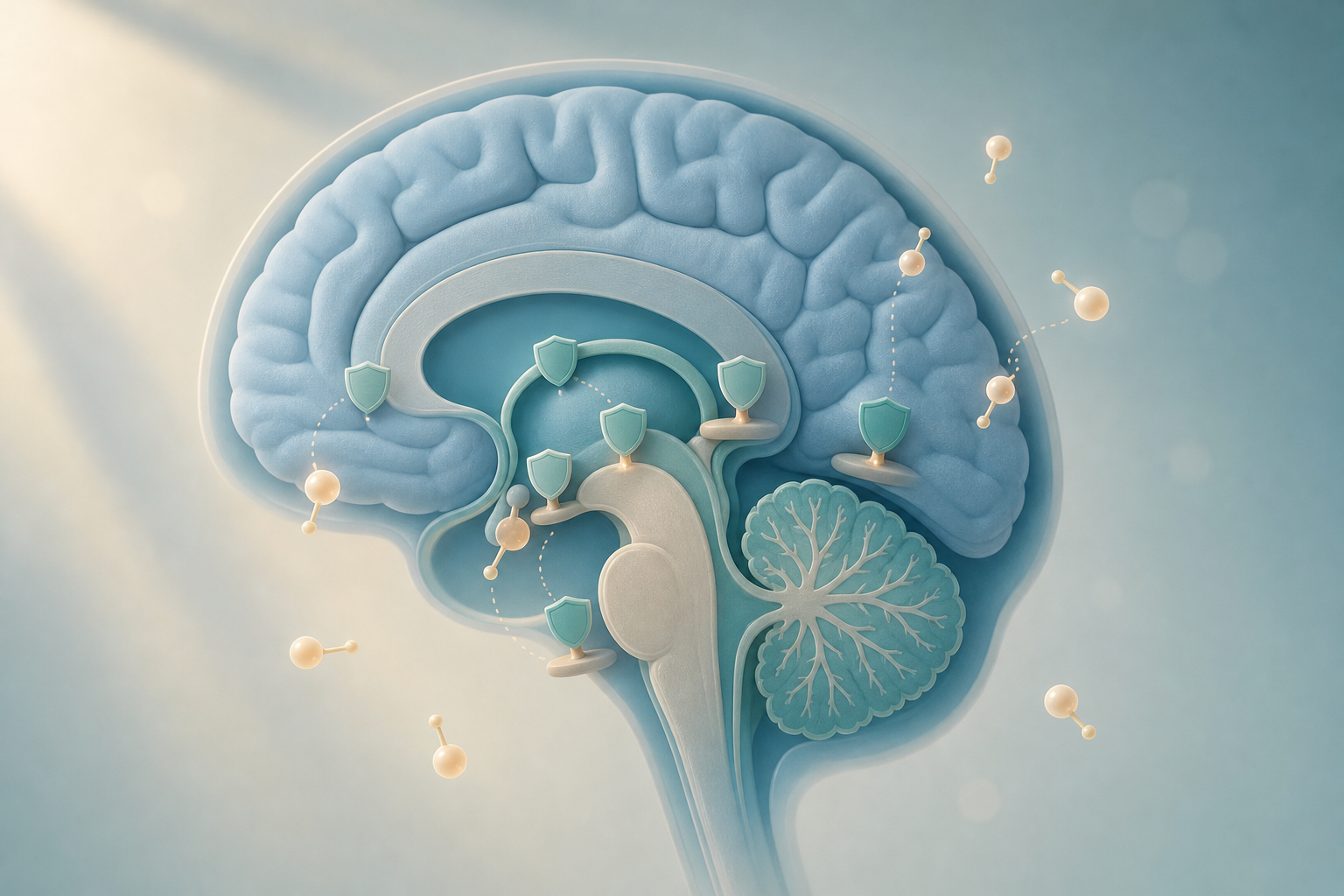
On its own, the medication won't make you feel high, sedated, or intoxicated. Most people describe it as feeling like nothing at all on a day you don't drink. The shift becomes noticeable when you do drink: the usual pull feels quieter, less automatic.
Over weeks, because alcohol stops delivering the same reward, the brain's learned connection between drinking and pleasure gradually fades. Researchers call this pharmacological extinction. The craving loop doesn't vanish overnight, but it loses momentum each time the expected payoff fails to arrive.
Common Side Effects During the First Week
The first few days on naltrexone 50 mg can feel like a mild hangover that showed up uninvited. Nausea is the most common complaint, followed by headache, fatigue, dizziness, reduced appetite, and occasionally trouble sleeping or a low hum of anxiety. Mayo Clinic lists these among the known side effects of oral naltrexone.
Days one and two tend to be the roughest. Some people feel wiped out or slightly foggy, which is where the does naltrexone make you sleepy question comes from. It can, especially early on. By days three through five, the nausea usually softens if you're taking the tablet with food. By the end of the first week, most of these effects are fading or gone entirely.
Side effects are generally mild and tend to resolve within one to two weeks. If something lingers past that window, it's worth flagging to your prescribing clinician.
How Long Naltrexone Side Effects Last
Most mild side effects clear up within 7 to 14 days. That window is your body recalibrating to a medication that's actively changing how your opioid receptors respond, and the adjustment period is real but temporary.
Timeframe | What to Expect |
|---|---|
Days 1 to 2 | Nausea, fatigue, headache, and dizziness tend to be at their strongest; some people feel foggy or wiped out |
Days 3 to 5 | Nausea usually softens, especially if you take the tablet with food; energy begins to stabilize |
Days 7 to 14 | Most side effects fade or resolve entirely; cravings start losing their edge as pharmacological extinction gains traction |
Months 2 to 3 | Sleep improves, morning clarity becomes routine, and the relationship with alcohol quietly rearranges |
Beyond 2 weeks | If any side effects persist or worsen past this point, contact your prescriber for a dosage or timing adjustment |
The "feeling weird" that people describe in early days is usually a grab bag of low-grade nausea, brain fog, and fatigue stacked together. Clinically, it's your system adapting to receptor blockade. Does naltrexone fatigue go away? For most people, yes, and usually by the second week.
If side effects hang around past the two-week mark or get worse instead of better, that's a sign to contact your prescriber. Persistent symptoms may mean a dosage adjustment or a different timing strategy is needed.
Private clinician review, 60 seconds. See if Onir fits you.
Serious Side Effects and When to Seek Help
Serious side effects from naltrexone are uncommon, but knowing what to watch for matters. Most people will never experience any of these, and the list below is about preparedness, not probability.
Contact your prescriber or seek medical attention if you notice:
- Dark urine, yellowing of the skin or eyes, or persistent pain in the upper right abdomen, which can signal liver problems
- Unusual mood changes, increased depression, or suicidal thoughts
- Severe allergic reactions like swelling of the face, lips, or throat, hives, or difficulty breathing
- Persistent vomiting or diarrhea that doesn't resolve
Serious side effects may include liver problems, mood changes, and precipitated opioid withdrawal if you are not opioid-free for 7 to 10 days. That last point deserves its own emphasis: never take naltrexone if you've used opioids recently, as it can trigger sudden, severe withdrawal.
For anything that feels like an emergency, call 911 or go to your nearest ER. For non-urgent concerns, reaching your prescribing clinician is the right first step.
What Happens If You Drink Alcohol While Taking Naltrexone
Naltrexone is not disulfiram (Antabuse). It won't make you vomit, flush, or feel violently ill if you have a drink. Disulfiram punishes drinking with a toxic reaction. Naltrexone simply makes drinking less interesting.
When you drink on naltrexone, alcohol still affects your coordination and judgment normally, but the rewarding buzz feels flatter. People often describe finishing a glass and realizing they don't want another one. That autopilot urge to keep going loses its pull because the endorphin payoff is blocked, which is part of why drinking on naltrexone feels different than before.
You can take naltrexone with alcohol in your system. The Sinclair Method is built on exactly this: you take a 50 mg tablet about an hour before drinking so the receptor blockade is active while you drink, a specific approach to timing your naltrexone dose. Over dozens of sessions, your brain gradually unlearns the association between alcohol and reward. Some clinicians prescribe naltrexone daily instead, but either approach keeps the medication working when it counts most.
Naltrexone and Weight: Gain, Loss, or Neither
Weight gain is one of the most googled concerns about naltrexone, and the clinical data is reassuring. According to Drugs.com, weight gain was rare in clinical trials, and naltrexone is more likely to cause nausea, reduced appetite, and mild weight loss.
If the scale does move up after starting naltrexone, the cause is usually what's happening around the medication. When you cut back on alcohol, your body absorbs nutrients better, your appetite returns, and sugar cravings sometimes fill the gap that drinking left behind. Those are recovery patterns, not drug side effects.
Naltrexone sometimes comes up alongside weight loss. That's usually referring to Contrave, which combines naltrexone with bupropion and is FDA-approved for weight management. Naltrexone alone, at the standard 50 mg dose, is not a weight loss drug. Any weight changes you notice are far more likely tied to shifting habits than to the tablet itself.
Standard Dose vs. Low Dose Naltrexone
The standard naltrexone dose for alcohol use disorder is 50 mg, the FDA-approved tablet prescribed for this purpose. Low dose naltrexone (LDN) is a different animal entirely, typically ranging from 1 to 5 mg and used off-label for conditions like chronic pain, fibromyalgia, and autoimmune disorders.
The confusion is understandable. Search "naltrexone side effects" and you'll find a Reddit thread about 4.5 mg LDN for fibromyalgia sitting next to one about 50 mg for drinking. The mechanisms overlap at a basic level, but at such different doses the clinical goals and side effect profiles diverge. LDN briefly blocks opioid receptors to trigger a rebound increase in endorphin production, while the 50 mg dose maintains a steady blockade throughout the day.
If you want to change your relationship with alcohol, the 50 mg tablet is what applies to you. LDN side effects discussed in forums, particularly those referencing women's experiences with hormonal changes or sleep disruption at very low doses, belong to a separate conversation with a separate prescribing rationale, including questions about how long to take naltrexone for alcohol use.
What to Avoid When Taking Naltrexone
The safety rules here are straightforward, and most come back to one thing: opioids.
- Any opioid must be avoided while on naltrexone, whether prescription (oxycodone, hydrocodone, codeine, tramadol), over-the-counter (certain cough syrups containing codeine), or illicit (heroin, fentanyl). Taking any of these can trigger precipitated withdrawal, which is sudden, severe, and dangerous.
- You must be opioid-free for 7 to 10 days before starting naltrexone.
- Tell your doctor or surgeon you take naltrexone before any procedure. Standard opioid pain medications won't work while the receptor blockade is active, and your care team needs to plan alternatives.
- If you have acute hepatitis or liver failure, naltrexone is contraindicated, a key part of naltrexone and liver safety. Mild liver enzyme elevations should still be flagged to your prescriber for monitoring.
- Some anti-diarrheal medications (like loperamide at high doses) act on opioid receptors and may interact.
If you're unsure whether something you take counts as an opioid, ask your prescriber before starting naltrexone.
Emotional and Psychological Effects of Naltrexone
Some people feel lighter within the first couple of weeks, as though a background hum of craving they'd stopped noticing finally went quiet. Others describe the opposite: a temporary flatness, like the volume knob on positive emotions got turned down a notch alongside the cravings. Both experiences are real, and neither means the medication is failing.
That emotional blunting makes pharmacological sense. Naltrexone blocks opioid receptors involved in reward processing broadly, beyond just the moments when alcohol is present. A 2016 study in Social Cognitive and Affective Neuroscience found that naltrexone altered social and emotional processing in healthy volunteers, which is consistent with the idea that opioid receptor blockade can temporarily dampen some emotional responses beyond just alcohol-related ones.
For many people, the flatness is temporary. As your brain adjusts to the new baseline, emotional range tends to return while cravings stay quieter.
Naltrexone won't make you feel high, and it won't produce the reward a drink used to. What it often creates, after the adjustment window, is something closer to neutrality around alcohol. That neutrality can feel strange if drinking has been your default stress response for years. Give it time, and talk to your prescriber if the emotional dulling persists past a few weeks.
How Naltrexone Benefits Build Over Time
The first week or two are about adjustment, not results. You may feel side effects more than benefits during that stretch, and that's normal.

Once the adjustment window passes, the naltrexone work timeline moves from managing side effects to noticing what's changed. This is pharmacological extinction gaining traction: each time you drink without the expected reward, the brain's association between alcohol and pleasure weakens a little more. Consistency with the medication is what makes this work, because every blocked reward signal compounds the one before it.
By months two and three, the changes tend to extend beyond drinking itself. Sleep improves because you're not cycling through alcohol-disrupted rest. Energy rebounds. Morning clarity becomes routine instead of rare. Many people report that their relationship with alcohol quietly rearranges, from something they managed daily to something they occasionally think about, which is the heart of how naltrexone helps you drink less.
Naltrexone works cumulatively. Skipping doses or stopping early interrupts the extinction process and lets old neural pathways reassert themselves. The medication doesn't erase cravings in a single moment; it starves them over time.
How Onir Prescribes Naltrexone for Alcohol
If everything above sounds like it might fit your situation, the practical question becomes how to actually get started. At Onir, we prescribe FDA-approved generic naltrexone hydrochloride 50 mg tablets through a process that takes about 15 minutes from your couch.
You start with a free 60-second quiz, then complete a $19.99 clinician review (refunded in full if you're not approved). A licensed clinician reviews your intake via secure, asynchronous text-based chat, typically within 24 hours. If naltrexone is right for you, your prescription ships in plain, unmarked packaging. The cost is $99 a month, billed as $297 every 90 days, with medication and clinician care included. We're available in all 50 states, and most members notice the pull of alcohol weakening within 7 to 14 days. No waiting rooms, no insurance paperwork, no one needs to know unless you decide to tell them.
Final Thoughts on Living With Naltrexone
Early side effects are annoying, not dangerous, and they pass. The real shift happens in the weeks that follow, when cravings lose their grip one blocked reward at a time. Talk to your prescriber if anything feels off, and give the medication room to work.
FAQ
Does naltrexone make you sleepy, and does the fatigue go away?
It can, especially during the first few days. Drowsiness and fatigue are among the most common naltrexone side effects first week, but for most people they fade by days 7 to 14 as your body adjusts to the receptor blockade. Taking the tablet with food and at a consistent time each day can help smooth out those early-week dips.
Best telehealth services for alcohol use disorder that take no insurance?
Several telehealth options exist for people who prefer self-pay, including Oar Health, Ria Health, and Onir. Onir prescribes FDA-approved naltrexone 50 mg tablets at $99 a month (billed as $297 every 90 days), with medication and clinician care included, a licensed provider in all 50 states, and no insurance paperwork or claim record. If privacy and simplicity matter to you, comparing pricing, state coverage, and what's bundled into the subscription is the fastest way to narrow the list.
Why do I feel like I need a drink even when I don't really want one?
That disconnect is your brain's reward system running on autopilot. Repeated drinking trains opioid receptors to expect an endorphin hit at certain times or in certain situations, so the urge fires whether you consciously want a drink or not. Naltrexone works by blocking that endorphin payoff each time you drink, which gradually weakens the automatic loop through a process called pharmacological extinction. Over weeks, the "need" quiets down because the learned association between alcohol and reward loses its reinforcement.
What should you avoid when taking naltrexone?
Opioids are the biggest concern. Any opioid, whether prescription painkillers, certain cough syrups with codeine, or illicit drugs like heroin or fentanyl, can trigger sudden, severe withdrawal if taken alongside naltrexone. You also need to be opioid-free for 7 to 10 days before your first dose, and you should tell any doctor or surgeon about the medication before a procedure so they can plan non-opioid pain management.
How long does it take for naltrexone benefits to kick in?
Most people notice cravings losing their edge around days 10 to 14, with sleep and energy improvements following in the first month. The medication works cumulatively: each time you drink without the expected reward, the brain's alcohol-pleasure connection weakens a little more. Sticking with the naltrexone 50 mg tablet consistently is what lets those benefits compound over months two, three, and beyond.
Does naltrexone make you sick if you drink alcohol while taking it?
No. Naltrexone is not disulfiram (Antabuse), so it won't cause vomiting, flushing, or a toxic reaction when you drink. Instead, it blocks the endorphin payoff from alcohol, making the rewarding buzz feel flatter. You can still drink on naltrexone — alcohol affects coordination and judgment normally — but most people find they lose interest in the next drink sooner than they used to.
Naltrexone vs. Antabuse — which one is better for cutting back on drinking?
If your goal is to drink less rather than stop entirely, naltrexone is typically the better fit. Antabuse (disulfiram) makes you physically ill when you drink, so it's designed for complete abstinence. Naltrexone blocks the reward signal from alcohol, letting you drink while the brain gradually unlearns the craving loop — an approach called pharmacological extinction. Many people prefer naltrexone because it supports moderation or quitting, depending on your goals.
Can I take naltrexone after drinking alcohol, or do I need to wait?
You can take naltrexone with alcohol in your system. The Sinclair Method is actually built on taking a 50 mg tablet about an hour before drinking so the receptor blockade is active during the session. If you forgot to take it beforehand, taking it after is still safe — though the extinction effect is strongest when the blockade is in place while you drink.
How long does naltrexone stay in your system after you stop taking it?
Naltrexone's active effects typically wear off within 24 to 72 hours after your last dose, depending on your metabolism. The medication has a half-life of about 4 hours, though its active metabolite lasts longer. This matters most if you need opioid-based pain relief — always tell your doctor you've been taking naltrexone so they can plan accordingly.
Does naltrexone make you gain weight or lose weight?
Weight gain was reported in fewer than 1% of clinical trial participants. Naltrexone is actually more likely to cause mild nausea and reduced appetite in the first week, which can lead to slight weight loss. If the scale moves up after starting, it's usually because cutting back on alcohol restores your appetite or triggers sugar cravings — recovery patterns, not a drug side effect.
Should I use the Sinclair Method or take naltrexone daily for alcohol?
Both approaches are clinically supported and use the same naltrexone 50 mg tablet. The Sinclair Method has you take it about an hour before drinking, targeting the extinction effect during active sessions. Daily dosing keeps a steady receptor blockade in place regardless of when or whether you drink. Your clinician can help you choose based on your drinking patterns and goals — Onir's care team works with you on timing as part of the subscription.
Does naltrexone make you feel weird or emotionally flat?
Some people report a temporary emotional blunting during the first couple of weeks, as though positive emotions are slightly muted alongside the cravings. This happens because naltrexone blocks opioid receptors involved in reward processing broadly, not only during drinking. For most people, emotional range returns as the brain adjusts to its new baseline, while cravings stay quieter. If the flatness persists past a few weeks, it's worth raising with your prescriber.
What happens if you drink alcohol while taking naltrexone — do you still get drunk?
Yes, you still get drunk. Naltrexone blocks the rewarding endorphin buzz, but it does not block alcohol's effects on coordination, reaction time, or judgment. The difference most people notice is that drinking feels less satisfying — the autopilot urge to keep going fades because the expected payoff doesn't arrive. You should still monitor your intake and never drive after drinking.
Can I just stop taking naltrexone, or do I need to taper off?
Naltrexone is non-addictive and non-habit-forming, so there's no physical withdrawal if you stop. However, stopping early can interrupt the pharmacological extinction process and let old craving patterns reassert themselves. If you're considering stopping, it's a good idea to talk to your clinician first so you can make a plan that protects the progress you've made.
How does Onir's clinician review work, and how fast do you get a prescription?
After completing the free 60-second quiz, you pay $19.99 for a clinician review (refunded in full if you're not approved). A licensed provider reviews your intake via secure, text-based chat — typically within 24 hours — and either prescribes naltrexone 50 mg or explains why it's not the right fit. If approved, your 90-day supply ships in plain, unmarked packaging at $99 a month, billed as $297 every 90 days, medication and clinician care included.
The science behind Onir has been covered by
82%
drinking less within two weeks
30+ yrs
FDA-approved & clinically studied
1,200+
clinical studies behind it
$99
per month, shipped discreetly
In their words
“I set one alarm for 5 p.m. and stopped thinking about it. Three weeks later the second glass just wasn't interesting anymore. No willpower involved.”
Individual results vary.
A quieter next step, when you want one
If practical changes have not been enough, a licensed clinician can review the rest privately. It doesn't commit you to anything.
60 seconds · 11 questions · Fully refunded if you're not approved