Onir Resources
Evidence-Based Supplements for Post-Drinking Recovery
Evidence-based guide to supplements for sleep and recovery after drinking, including what helps and what to skip, November 2026.

By Justine Fowey, Onir Health Editorial Team
Last night you had a few drinks and this morning your brain feels like it's running on dial-up. We've all been there. Alcohol disrupts your sleep stages, drains minerals your nervous system needs, and leaves your liver scrambling to clear toxins. Some supplements genuinely help with this, and some are mostly marketing with a thin layer of biochemistry on top. Knowing the difference is worth your time.
TLDR:
- Alcohol can cut REM sleep by about 40 minutes per 1 g/kg increase in alcohol dose, driving next-day fog and poor recovery
- B-complex, magnesium glycinate (200-400 mg before bed), and electrolytes have the strongest evidence for filling gaps alcohol creates
- Skip melatonin on nights you drink; it adds sedation without fixing the sleep fragmentation alcohol causes
- NAC and milk thistle have plausible biochemistry but limited human data for hangover recovery
- Onir prescribes naltrexone to reduce drinking itself, which targets the root cause supplements work around
How Alcohol Disrupts Sleep and Recovery
Alcohol is a sedative, and it acts like one at first. You fall asleep faster, sometimes noticeably so. But that initial heaviness masks what happens later: the second half of the night tends to unravel. Sleep becomes fragmented, with more awakenings and less time in the restorative stages your body needs to recover.
REM sleep takes the hardest hit. A 2025 meta-analysis in Sleep Medicine Reviews found that for every 1 g/kg increase in alcohol dose, REM sleep duration was reduced by 40.4 minutes. REM is the stage linked to memory consolidation and emotional processing, so losing chunks of it explains the foggy, flat feeling the next morning.
Meanwhile, alcohol suppresses vasopressin (the hormone that tells your kidneys to retain water), irritates your stomach lining, triggers inflammation, and produces acetaldehyde, a toxic byproduct your liver has to clear before you feel human again. According to the Sleep Foundation, these effects lead to lighter, less restorative rest with more frequent awakenings. The fatigue, poor focus, and sluggish recovery people feel the next day reflect broken sleep architecture compounded by low-grade inflammation and nutrient depletion.
Nutrient Deficiencies Caused by Regular Drinking
Regular drinking creates a nutritional deficit that runs deeper than most people realize. Alcohol inflames the stomach lining, reducing your body's ability to absorb vitamins from food. It also increases urinary excretion of minerals like magnesium and zinc, so you lose nutrients faster while absorbing them more slowly.
Thiamine (vitamin B1) is especially vulnerable. Up to 80% of people with alcohol addiction develop thiamine deficiency. The picture is less studied at lower levels of intake, but because alcohol impairs thiamine absorption and increases its excretion, even moderate regular drinking can chip away at stores over time. Folate, B12, magnesium, and zinc follow a similar pattern of gradual depletion.
These deficiencies feed directly into the sleep and recovery issues covered above. Magnesium supports muscle relaxation and sleep quality, B vitamins fuel your nervous system, and zinc plays a role in immune function and tissue repair. When all of them run low at once, no single night of good intentions fixes the gap.
B Vitamins for Energy and Nervous System Support
Thiamine (B1) deserves the most attention if you drink regularly. Your body cannot produce it, and alcohol attacks from both sides: it inflames the digestive tract so you absorb less thiamine from food, while increasing how much you excrete. Depletion can occur within about 4 weeks after intake stops, which gives you a sense of how thin the margin is when drinking keeps the cycle going. Left unchecked, severe B1 deficiency can progress to Wernicke encephalopathy, a neurological emergency marked by confusion, coordination problems, and vision changes.
B6 supports the synthesis of neurotransmitters like serotonin and GABA, both of which influence mood and sleep regulation. B12 contributes to red blood cell formation and cognitive function. Folate rounds out the group; alcohol interferes with folate metabolism, and low levels have been linked to fatigue and poor concentration.
For most people, a quality B-complex covers these bases without requiring separate pills. Clinical protocols for alcohol withdrawal often use oral thiamine at 300 mg per day (100 mg three times daily), though that dose is designed for patients with meaningful depletion. If you drink moderately and eat well, a standard B-complex with 50 to 100 mg of thiamine may be sufficient. Supplementation has strong evidence for correcting deficiencies caused by alcohol, but less evidence for boosting energy or cognition beyond normal baseline levels.
Magnesium for Sleep Quality and Muscle Recovery
Magnesium controls muscle contraction, supports nerve signaling, and helps activate the parasympathetic nervous system that lets you wind down before sleep. Alcohol accelerates magnesium loss through the kidneys, so regular drinkers often run low without realizing it. Low magnesium is independently associated with insomnia and poor sleep quality, compounding the disruption alcohol already causes.
Which Form Matters
Not all magnesium supplements behave the same way. Here is how the three most common forms compare:
Form | Absorption | Stomach Tolerance | Best For |
|---|---|---|---|
Magnesium glycinate | High. Pairs magnesium with glycine, which has its own calming properties | Gentle on the stomach | Sleep support (most commonly recommended form) |
Magnesium citrate | Moderate, and absorbs reasonably well | Mild laxative effect at higher doses | General supplementation, less ideal as a nightly sleep aid |
Magnesium oxide | Poor. Most passes through without reaching the bloodstream | Generally tolerated | Budget option, but limited effectiveness |
If sleep quality is the goal, glycinate is the strongest choice. Taking 200 to 400 mg about 30 to 60 minutes before bed gives the body time to absorb it before you turn the lights off.
NAC (N-Acetyl Cysteine) and Liver Support Supplements
NAC (N-acetyl cysteine) is a precursor to glutathione, the antioxidant your liver relies on to neutralize acetaldehyde. That biochemical logic is sound, and it explains why NAC appears in so many hangover recovery products. But most human studies on NAC and alcohol have focused on acetaminophen-alcohol liver toxicity or chronic liver disease, not on next-day recovery in otherwise healthy drinkers. Animal data looks promising; human hangover trials remain scarce and small.
Milk thistle (silymarin) follows a similar pattern: centuries of traditional use, genuine antioxidant properties in lab settings, yet systematic reviews of its effect on alcoholic liver disease have produced mixed results. For someone drinking a few times a week and hoping milk thistle will act as a safety net, the evidence does not confidently support that expectation.
If a supplement's primary selling point is a plausible mechanism instead of consistent clinical outcomes, treat it as an open question, not a settled answer.
Other liver support ingredients like alpha-lipoic acid and artichoke extract show up in recovery blends, too. The story is the same: reasonable biochemistry, limited human data. If you choose to take NAC or milk thistle, treat them as a small, speculative piece of the puzzle, not the foundation of your recovery strategy.
Electrolytes, Zinc, and Hydration Support
Rehydration after drinking is trickier than just refilling a water bottle. Because alcohol suppresses vasopressin, your kidneys flush fluid and pull electrolytes along with it. Sodium and potassium drop, and plain water without those minerals can dilute what remains instead of restoring balance.
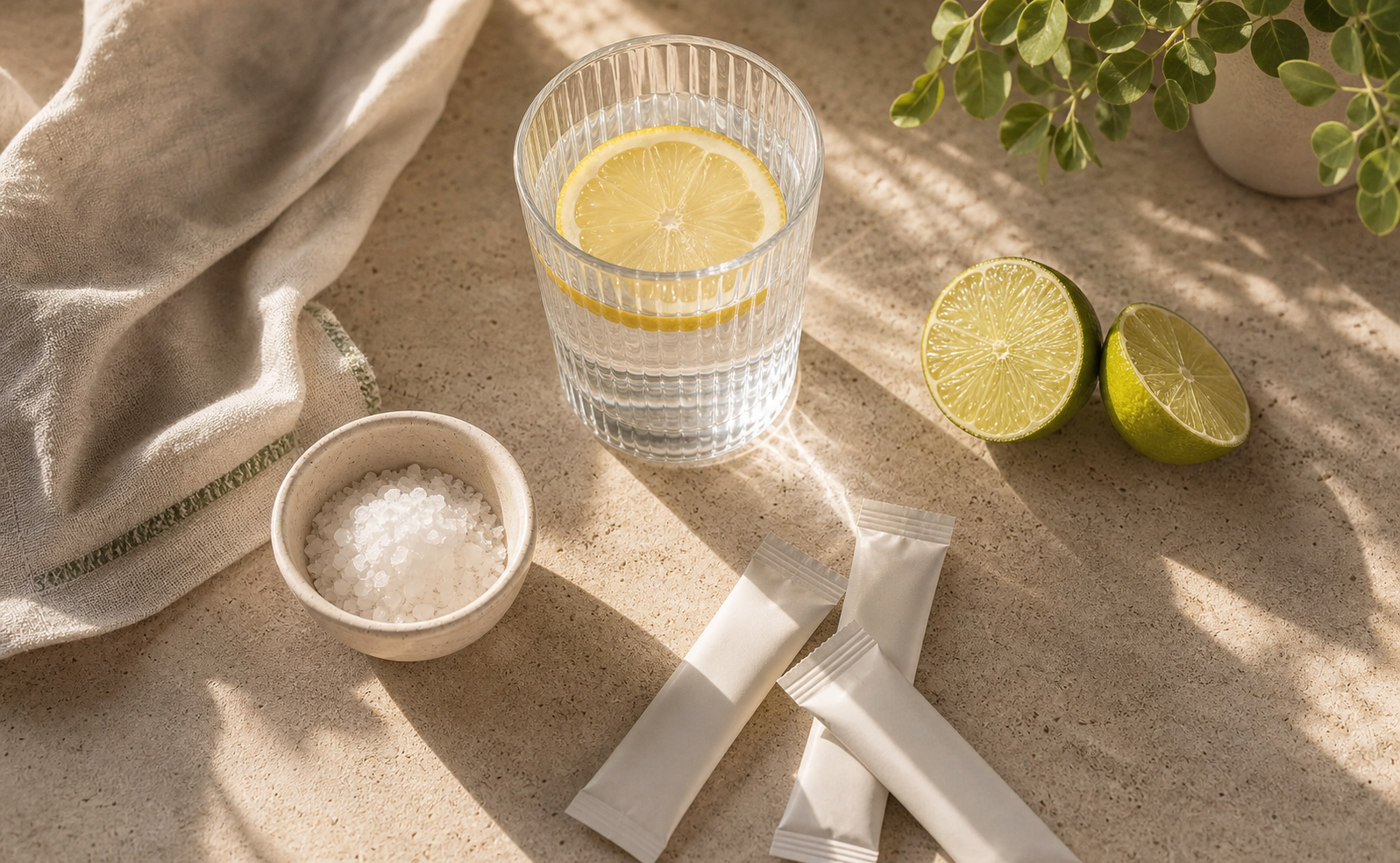
Sodium helps your body retain the fluid you take in, while potassium supports nerve and muscle function. A pinch of salt in water with a squeeze of citrus, or a low-sugar electrolyte mix, does more for recovery than chugging glass after glass on its own.
Zinc rounds out the picture. Even moderate regular drinking chips away at zinc stores, and a 2018 NIAAA study found that 38% of heavy drinkers without clinical liver disease had low serum zinc levels. Low zinc affects immune response and cognitive sharpness, both of which already take a hit from poor sleep after a night out. A standard 15 to 30 mg zinc supplement with food is reasonable; higher doses on an empty stomach tend to cause nausea, which is the last thing you need the morning after.
Melatonin and Sleep Aids After Drinking: Safety Considerations
Reaching for melatonin after a few drinks feels intuitive. You know alcohol wrecked your sleep architecture, and melatonin is supposed to fix sleep, so the logic writes itself. The problem is that both substances cause drowsiness, and stacking them amplifies sedation, dizziness, and impaired coordination in ways that aren't well studied.
The Sleep Foundation notes there is limited research on the direct interaction between melatonin supplements and alcohol, so avoiding the combination is generally the safer choice. Melatonin won't counteract the sleep fragmentation alcohol causes in the second half of the night; it primarily helps with sleep onset, while alcohol's damage happens downstream in REM and deep sleep stages.
The safer move is to skip your melatonin dose on any night you drink and resume once you have been alcohol-free for at least 24 hours. The same caution applies to OTC antihistamines like diphenhydramine, which layer added sedation and can impair sleep staging on their own, a reminder that it's worth knowing which foods and medications to avoid with naltrexone if you take it. If you regularly need a sleep aid after drinking, that pattern itself is worth a conversation with your doctor.
Supplements for Cognitive Clarity in Regular Drinkers
Cognitive fog after regular drinking has overlapping causes: disrupted sleep, neuroinflammation, and the nutrient gaps covered in earlier sections. A few supplements target the brain side of that equation more directly, though the evidence varies widely.
Thiamine's role here goes beyond energy. Severe B1 deficiency can cause lasting brain damage, and even subclinical depletion affects memory and processing speed. If you drink regularly, keeping thiamine levels topped up is less about performance and more about protection.
Omega-3 fatty acids (EPA and DHA) have a stronger research base for neuroinflammation. Alcohol promotes chronic low-grade inflammation in the brain, and omega-3s help modulate that response. Most cognitive benefit studies use doses of 1,000 to 2,000 mg combined EPA/DHA daily. The evidence is better for general brain health than for hangover recovery, but regular drinkers dealing with persistent mental sluggishness have a reasonable case for supplementation.
L-theanine, found in green tea, promotes calm alertness without sedation. It works partly by increasing alpha brain wave activity, and small trials show modest improvements in attention and stress response. At 100 to 200 mg, it pairs well with morning coffee if you want focus without jitters. GABA supplements, by contrast, face a basic absorption problem: oral GABA has difficulty crossing the blood-brain barrier, so whether capsules meaningfully affect brain GABA levels remains an open question. Separately, if you're on medication for alcohol use and noticing drowsiness, it's worth checking whether naltrexone is making you sleepy. 5-HTP has some evidence for mood support, but it interacts with medications like SSRIs, and using it to counteract alcohol's serotonin disruption adds a variable your doctor should know about.
What No Supplement Can Replace
No supplement reverses liver damage from chronic heavy drinking, restores the sleep architecture alcohol dismantles, or neutralizes a hangover while it is happening. As the NIAAA puts it, "there is no cure for a hangover other than time."
Supplements can fill nutritional gaps that alcohol creates and support recovery processes your body already runs. But they cannot outpace the damage if drinking stays the same or escalates. The most effective recovery strategy is also the most obvious one: drinking less. Fewer drinks mean less acetaldehyde to clear, less REM suppression, less mineral loss, and less inflammation. Supplements work best as a complement to reduced intake, not a workaround for unchanged habits.
Discuss Supplements With a Physician First
Supplements are easy to buy, which makes them easy to treat as harmless. But if you drink regularly, your liver is already working harder than normal, and adding compounds it has to process without knowing your baseline is a gamble with limited upside.
Some supplements interact with common medications in ways that matter. 5-HTP and SSRIs can cause serotonin syndrome. High-dose magnesium can interfere with certain antibiotics and blood pressure drugs. If you take anything daily, a physician should review the full list before you add to it.
A doctor can also order bloodwork to check for the deficiencies alcohol tends to cause, including thiamine, magnesium, zinc, and folate. That ten-minute lab draw replaces months of guesswork with actual data.
If your drinking pattern is the reason you are researching recovery supplements, that context matters clinically. A physician can assess whether the volume and frequency warrant closer monitoring or whether reducing intake would do more than any pill.
How Onir Supports Sleep and Recovery by Tackling the Root Cause
Supplements fill gaps, but they work around the edges of a problem that starts with the drink itself. If alcohol is consistently disrupting your sleep and draining your nutrient stores, the most direct path to better recovery is reducing how much you drink.
That is where Onir comes in, with medication to help you cut back. We prescribe naltrexone, an FDA-approved medication that works by cutting the urge to drink through blocking the endorphin reinforcement your brain gets from alcohol. It is non-addictive and has been approved for treating alcohol use disorder for over 30 years, and many people want to know how long naltrexone takes to work before expecting results. Most members notice the pull of alcohol weakening within 10 to 14 days, and many see improvements in sleep and energy in the first month, a progression described in more detail in how naltrexone feels day by day.
The whole process happens online: a free 60-second quiz, a $19.99 clinician review (refunded in full if you are not approved), and then $99 a month, billed as $297 every 90 days, medication and clinician care included, following the naltrexone dosing guide your clinician sets for you. Medication ships in plain, unmarked packaging, and the service is available in all 50 states.
If you recognize that supplements alone are not closing the gap, a medication-based approach may be worth considering, and if naltrexone itself isn't the right fit, there are alternatives to naltrexone worth discussing with a doctor. You can start with the quiz at onirhealth.com to see whether Onir is the right fit.
Final Thoughts on Supplements That Support Recovery After Drinking
B vitamins, magnesium, and electrolytes do meaningful work when alcohol has drained your stores. They're worth considering, especially if you drink regularly. Just get bloodwork first so you're solving real gaps, not guessing.
FAQ
What supplements actually help with sleep and recovery after drinking?
The strongest evidence points to B vitamins (especially thiamine), magnesium glycinate, electrolytes, and zinc — all of which alcohol actively depletes. These supplements for sleep and recovery after drinking alcohol work best for correcting deficiencies, not as hangover cures. NAC and milk thistle have plausible biochemistry but limited human trial data, so treat them as speculative additions rather than anchors of a recovery plan.
Can I take melatonin after drinking alcohol?
No — it's safer to skip melatonin on nights you drink. Both alcohol and melatonin cause drowsiness, and combining them amplifies sedation and dizziness in ways that haven't been well studied. Melatonin only helps with falling asleep, while alcohol's real damage happens later in the night by fragmenting REM and deep sleep stages. GoodRx recommends waiting until you've been alcohol-free for at least 24 hours before resuming your dose.
What supplements support cognitive clarity for people who drink regularly?
Thiamine is the first priority — even subclinical B1 depletion affects memory and processing speed, and regular drinking drains it fast. Omega-3 fatty acids (1,000–2,000 mg combined EPA/DHA daily) have a solid research base for reducing the neuroinflammation alcohol promotes. L-theanine at 100–200 mg offers modest focus and calm-alertness benefits, while oral GABA supplements face absorption problems that make their brain-level effects uncertain.
How is Onir different from Oar Health or Ria Health for cutting back on alcohol?
Onir prescribes the same FDA-approved medication (naltrexone) used across telehealth alcohol treatment, but packages it as an all-inclusive subscription: $99 a month (billed as $297 every 90 days) covers medication, clinician care, and ongoing support with no separate pharmacy bill. Everything happens online with plain, unmarked packaging and no insurance paperwork. Onir is available in all 50 states and positions itself as a lifestyle-first, low-friction option for people who want to drink less without the feel of traditional treatment programs.
What is naltrexone and how does it help with drinking less?
Naltrexone is an FDA-approved, non-addictive medication that blocks the endorphin reinforcement your brain receives from alcohol — the signal that makes drinking feel automatic. It has been approved for treating alcohol use disorder for over 30 years. Most people taking naltrexone through Onir notice the pull of alcohol weakening within 10–14 days, with many reporting better sleep and energy within the first month.
Can I take magnesium glycinate on nights I drink to sleep better?
Yes, magnesium glycinate is one of the safer supplements to take on drinking nights. Taking 200 to 400 mg about 30 to 60 minutes before bed can support muscle relaxation and sleep quality, and glycine itself has calming properties. Unlike melatonin, it doesn't layer extra sedation on top of alcohol — it works by replenishing a mineral alcohol actively drains through the kidneys.
Best supplements that help with sleep and recovery after drinking alcohol vs hangover cure products — what actually works?
B-complex vitamins, magnesium glycinate, electrolytes, and zinc have the strongest evidence because they replace what alcohol depletes. Most hangover cure products bundle ingredients like NAC, milk thistle, and DHM that have plausible biochemistry but limited human trial data for next-day recovery. If a product leans on marketing claims more than clinical outcomes, you're paying a premium for uncertainty.
How much thiamine should I take if I drink regularly?
A standard B-complex with 50 to 100 mg of thiamine is reasonable for moderate drinkers who eat well. Clinical protocols for alcohol withdrawal use up to 300 mg per day (100 mg three times daily), but that dose targets patients with meaningful depletion. If you're concerned about your levels, bloodwork gives you a clear answer instead of guessing at doses.
Should I take NAC before or after drinking for liver support?
The timing question gets a lot of attention online, but the bigger issue is that human data for NAC as a hangover recovery aid is scarce. Most studies have focused on acetaminophen-alcohol liver toxicity or chronic liver disease, not on next-day recovery in otherwise healthy drinkers. If you choose to take NAC, treat it as a speculative addition to your routine and talk to your doctor, not as a reliable safety net.
What is the best form of magnesium for sleep after drinking?
Magnesium glycinate is the strongest choice for sleep support. It absorbs well, is gentle on the stomach, and the glycine component has its own calming effect. Magnesium citrate is a decent alternative but can cause loose stools at higher doses, and magnesium oxide — while cheap and common — is poorly absorbed and mostly passes through without reaching your bloodstream.
Can I build a supplement stack that cancels out alcohol's effect on sleep?
No. Supplements can fill nutritional gaps alcohol creates, but they cannot reverse the sleep architecture damage. Alcohol cuts REM sleep by over 40 minutes per dose increase and fragments the second half of your night in ways no vitamin or mineral corrects in real time. The NIAAA states plainly there is no proven cure for a hangover other than time — and fewer drinks means less damage to recover from in the first place.
Why does alcohol make me wake up at 3 AM even though it helps me fall asleep?
Alcohol is a sedative that speeds up sleep onset, but as your body metabolizes it during the second half of the night, you get a rebound effect: lighter sleep, more awakenings, and significant REM suppression. Your liver is clearing acetaldehyde, your kidneys are flushing fluids because alcohol suppressed vasopressin, and low-grade inflammation kicks in. That 3 AM wake-up is your body shifting from sedation to withdrawal mid-sleep.
Is it safe to take 5-HTP after drinking to improve mood and sleep?
Use caution. 5-HTP has some evidence for mood support, but it interacts with SSRIs and other serotonin-affecting medications, raising the risk of serotonin syndrome. If you're using it to counteract alcohol's serotonin disruption, that adds a variable your doctor should know about — especially if you take any other medications. Bloodwork and a medication review are smart steps before adding 5-HTP.
When should I see a doctor instead of relying on supplements for post-drinking recovery?
If you're researching recovery supplements because drinking is consistently disrupting your sleep, energy, or focus, that pattern itself is worth a clinical conversation. A doctor can order bloodwork to check for deficiencies in thiamine, magnesium, zinc, and folate — replacing months of guesswork with actual data. They can also assess whether the volume and frequency of your drinking warrants closer monitoring or a medication-based approach like naltrexone.
What electrolytes should I take after drinking and does plain water work?
Plain water alone can actually dilute your remaining electrolytes without restoring balance. Focus on sodium (which helps your body retain fluid) and potassium (which supports nerve and muscle function). A pinch of salt in water with a squeeze of citrus, or a low-sugar electrolyte mix, does more for recovery than chugging glass after glass. Skip high-sugar sports drinks — the sugar adds its own inflammatory load.
The science behind Onir has been covered by
82%
drinking less within two weeks
30+ yrs
FDA-approved & clinically studied
1,200+
clinical studies behind it
$99
per month, shipped discreetly
In their words
“I started my medication about 8 days ago. I feel amazing. Don't really have any urges to drink alcohol.”
Keep reading
Resources
Nightly Wine and Weight Gain: What Changes When You Cut Back
Does nightly wine affect your weight? Learn how calories, sleep, and evening routines add up, plus tracking tips for October 2026.
ReadSleep
Wine, perimenopause, and sleep
If the same glass now costs more sleep than it used to, you are not imagining it. Start with the pattern, not the guilt.
ReadResources
Stop Alcohol Cravings: What Works, What Doesn't
This October 2026 guide covers how to stop craving alcohol using behavioral strategies, nutrition, and medication support.
Read