Lifestyle
Does nightly wine affect weight?
The useful question is not whether wine is good or bad. It is what the nightly pattern changes after the first pour.

By Justine Fowey, Alcohol Specialist
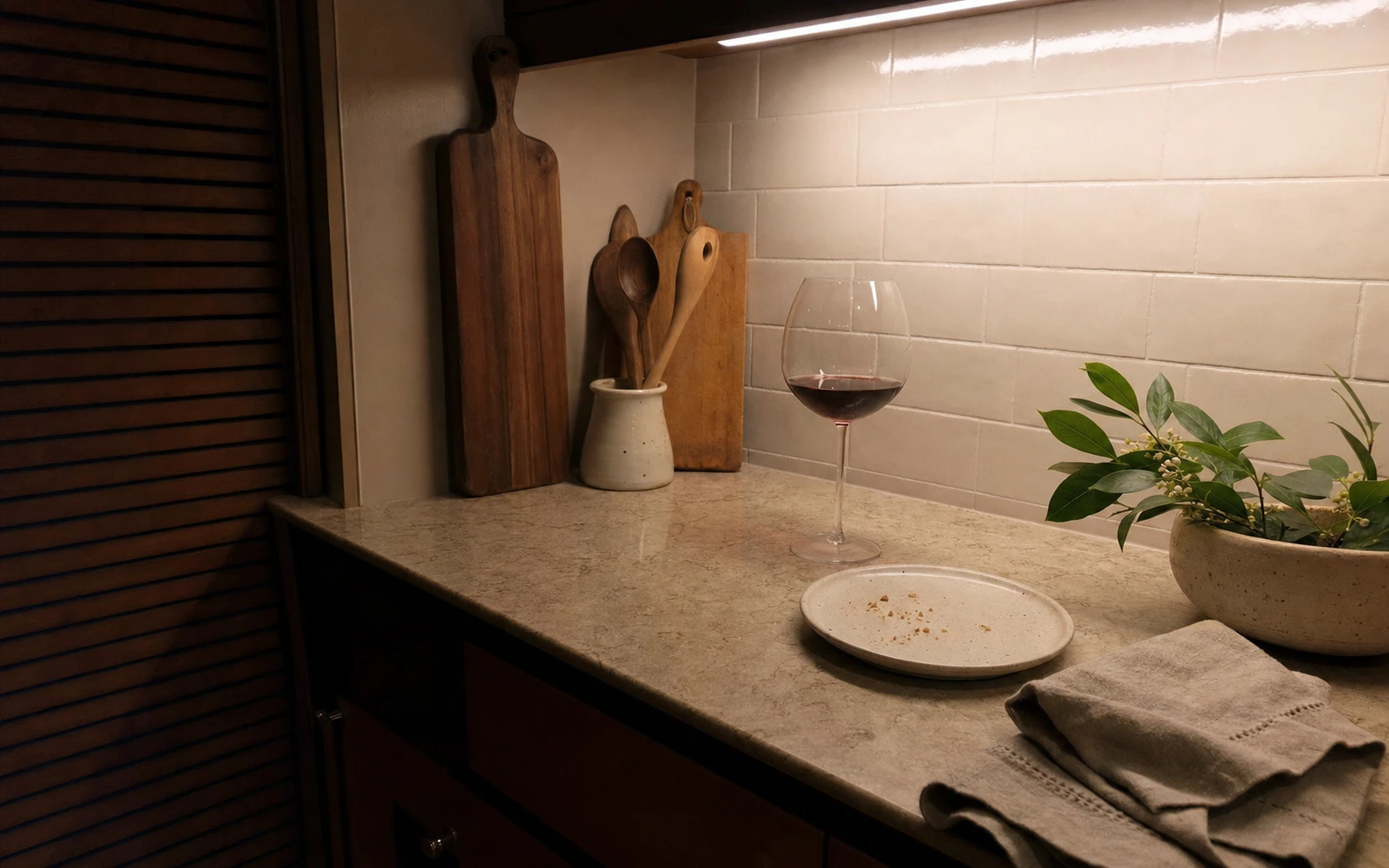
The short answer
It can. Alcohol contributes calories that can add up over a week, and the bigger effect is often what happens around the drink: later dinners, snacks, poorer sleep, and a slower morning.
A licensed clinician reviews every assessment. Takes 60 seconds.
Start with the non-dramatic answer
Nightly wine can affect weight. It also may not be the only reason your body feels different.
That distinction matters.
A glass of wine is not a moral failure. It is also not invisible. If it shows up most nights, it becomes part of the weekly math: calories, food choices, sleep, movement, and how much energy you have the next day.
The useful answer is not shame. It is visibility.
The calories are only one part
Alcohol has calories. Mixers, larger pours, and a second glass add more. NIAAA’s calculator is useful because it turns the habit into a weekly number instead of a vague feeling.
But calories are not the whole story.
For many people, wine changes the evening around it. Dinner gets later. The second helping sounds better. Snacks become easier to justify. Bedtime drifts. Sleep gets lighter. The next morning starts with less patience for the things that usually keep you steady.
That is why the question is rarely, "Is wine making me gain weight?"
A better question is, "What does nightly wine change after the first pour?"
Watch the pour, not the label
Most people underestimate the amount in a home pour. A glass can quietly become a glass and a half. If the bottle is on the counter, the refill happens before you decide much of anything.
Try measuring once. Not forever. Just once or twice, so your eye gets honest again.
Then decide what you actually want.
Some people choose a smaller pour. Some choose fewer nights. Some keep wine for dinner out, not the kitchen counter at home. Some take a break and see what changes.
All of those are valid.
The morning test
For two weeks, track the morning instead of the scale.
Notice:
- whether your face feels puffy
- whether your sleep felt broken
- whether you want sugar earlier
- whether you move your body or skip it
- whether your clothes feel different by Friday
Weight can move slowly and for many reasons. Mornings often show the pattern sooner.
How to cut back without making food weird
Do not replace wine with restriction. That tends to make the whole thing feel punitive.
Try replacing the timing first:
- no wine while cooking
- one glass only with dinner
- no bottle on the counter
- two weeknights without wine
- a real dessert or tea after dinner if the second glass is mostly about wanting something
The goal is not to make the night smaller. The goal is to stop letting one habit quietly make the next day harder.
Where Onir fits
If you keep deciding to drink less and then find yourself back in the same evening loop, Onir can help you understand whether private medical support is a fit. The first step is a short written assessment reviewed by a licensed clinician.
You can want to drink less for sleep, weight, mornings, or just because you want the choice back. That is enough of a reason to look.
References
Keep reading
Lifestyle
Why drinking wine every night starts to feel automatic
The habit usually lives in a specific hour, room, and routine.
ReadLifestyle
How to cut back on wine at night without making it a whole identity
A better plan for the 6 p.m. pour.
ReadGuides
How to drink less alcohol at home
Home is where drinking can become automatic. The fix is usually a better setup, not a louder promise.
Read
See if Onir is a fit: reviewed by a licensed clinician
A licensed U.S. clinician reviews your written assessment. No video call. Refunded if you are not approved.
60 seconds · 11 questions · Fully refunded if you're not approved