Lifestyle
Why drinking wine every night starts to feel automatic
The habit usually lives in a specific hour, room, and routine.
By Mara Ellis for Onir
The short answer
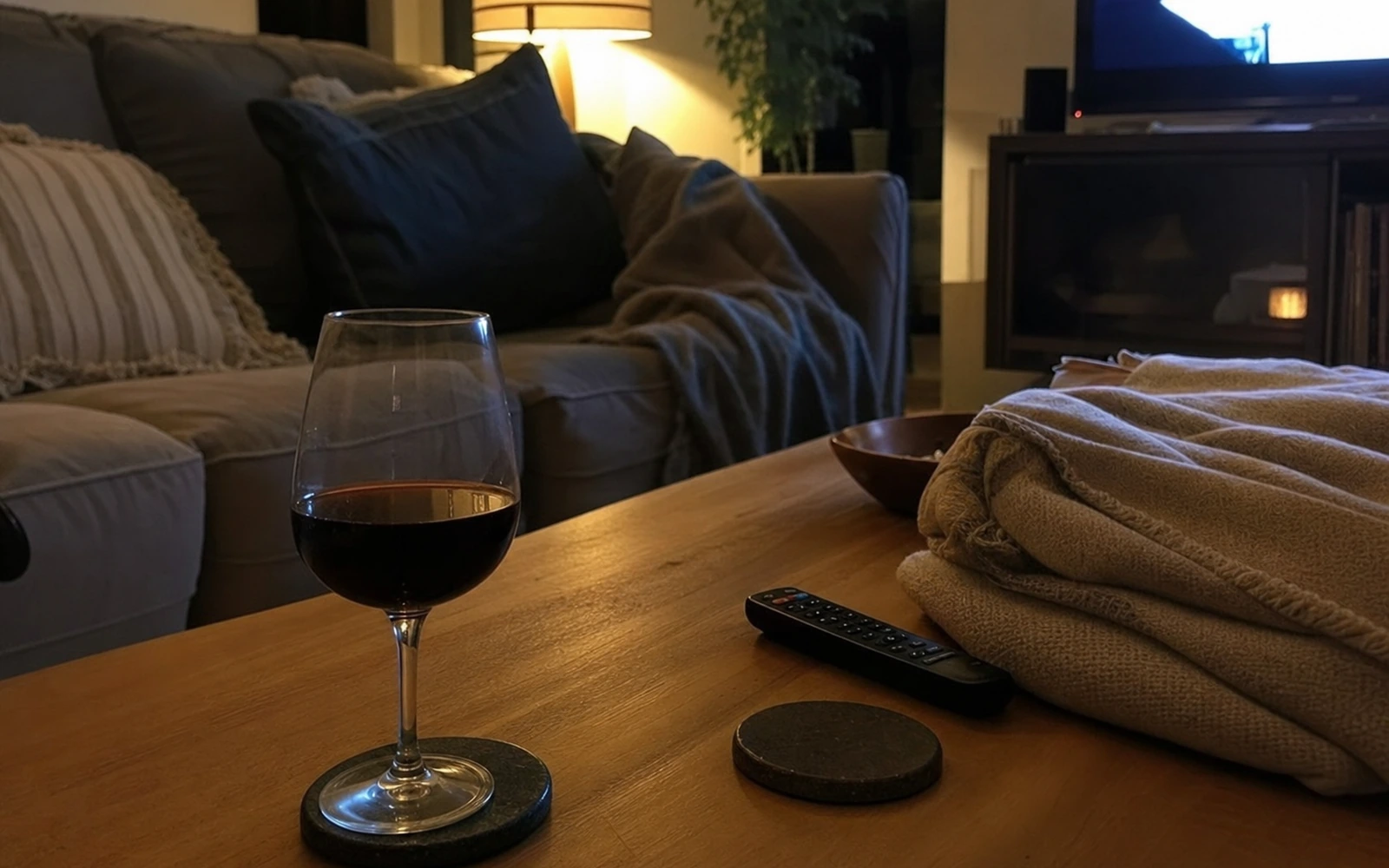
nightly wine often becomes automatic because it is tied to a repeated evening cue: the room, the hour, the bottle, the feeling before the first pour. Start there before you reach for a label.
If this describes your evenings, a licensed clinician can review the rest privately. Takes 60 seconds.
It may not feel like a dramatic thing.
A glass while making dinner. Another with dinner. Maybe a third after the kitchen is clean and everyone else has moved on with their night.
Nothing is falling apart. You are still working, parenting, showing up, paying attention. The question is quieter than that: why do I keep drinking wine every night when I told myself I would not?
Most people answer that question too harshly.
They call it discipline. They make a rule. They break the rule. Then they decide the problem must be them.
There is usually more going on.
Nightly wine often becomes a transition
For a lot of adults, wine is not just a drink. It is the handoff between the day and the evening.
Work ends, but your brain has not stopped. The house needs things from you. Dinner has to happen. Your phone is still buzzing. The first pour gives the day a period.
That is why the habit can feel so sticky. It is attached to a real moment of relief.
If the wine is doing a job, removing it without replacing the job leaves a gap. You are not only saying no to wine. You are saying no to the thing that has been telling your body, even briefly, that the day is done.
The first glass is often the decision point
People focus on the third glass because that is the one they regret.
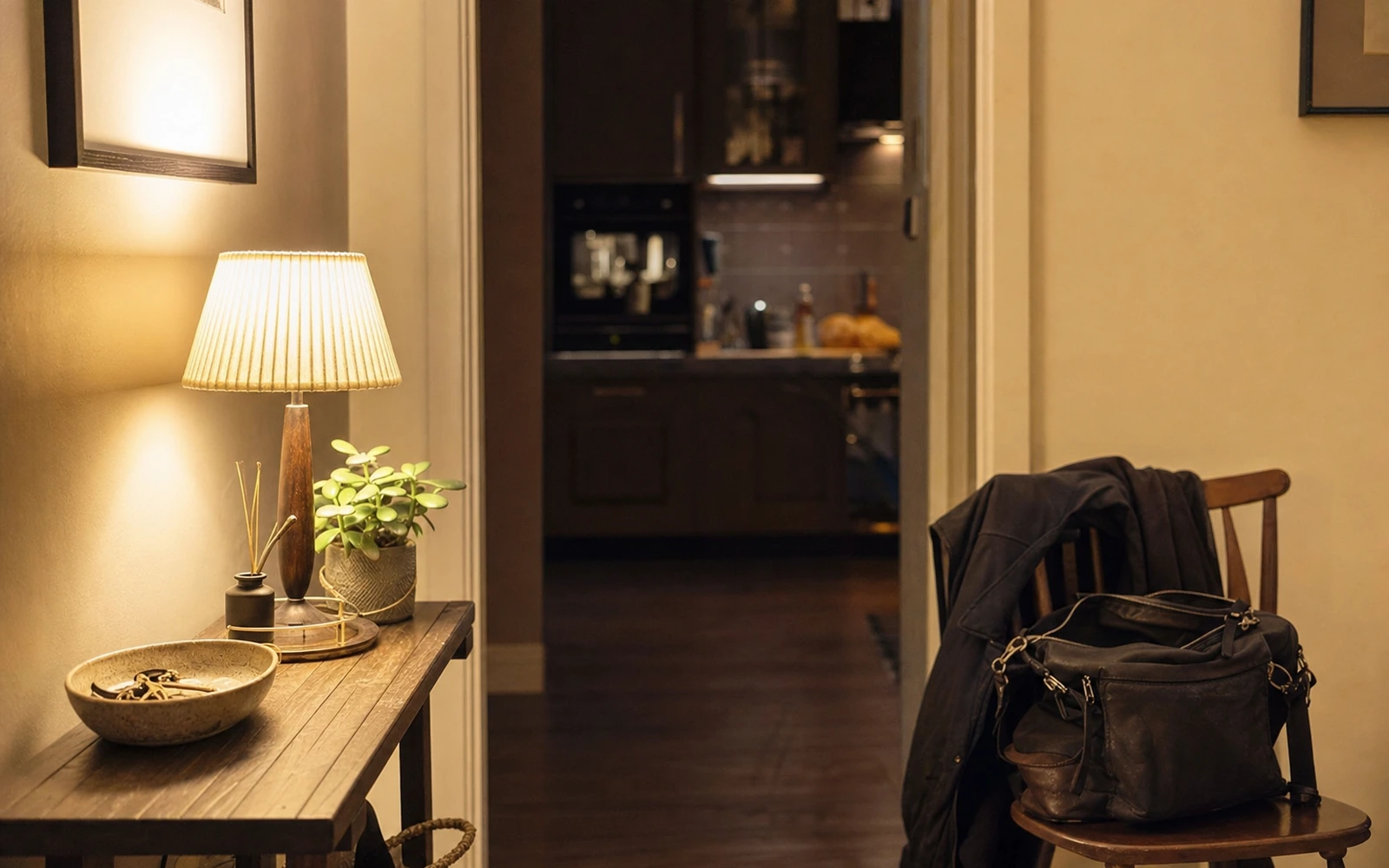
The first glass usually matters more.
Once the bottle is open, the rest of the night has a track. You may still be making choices, but they are happening inside a routine that has already started. Cooking with a glass in hand becomes dinner with a glass nearby. Dinner becomes topping it off. Topping it off becomes finishing what is left.
That does not mean every night goes that way. It means the pattern has been practiced.
A practiced pattern feels less like a decision.
The habit may be specific, not general
You may not drink much at lunch. You may not care about beer. You may skip easily on vacation mornings or before a big meeting. You may be able to go several nights without drinking when the environment changes.
That is useful information.
It means the habit may be attached to a particular context: your kitchen, your couch, your usual bottle, your usual hour, your usual stress.
Try getting specific:
- What time does the first glass usually happen?
- Are you hungry when it happens?
- Are you alone, cooking, working, scrolling, or decompressing?
- Is the bottle already cold?
- Do you pour before you decide?
- Which nights are easiest to skip?
- Which nights feel almost automatic?
This is not a moral inventory. It is a map.
The wine may be solving the wrong problem
Sometimes nightly wine is less about alcohol and more about the absence of a real off-switch.
You may need quiet. You may need ten minutes when nobody asks you anything. You may need a way to come down from a day that required too much composure. You may need a little pleasure that is not productive, optimized, tracked, or shared.
Wine is very good at inserting itself into that opening.
The useful question is not, “Why can’t I just stop?”
The useful question is, “What is the wine giving me in that exact moment, and what else could give me enough of it to make a different choice possible?”
Start by changing the ritual, not your whole life
If nightly wine has started to feel automatic, try changing the first part of the routine for two weeks.
Pick one experiment:
- Do not pour while cooking.
- Eat before deciding about wine.
- Keep wine out of the kitchen.
- Use a smaller glass and pour once.
- Put the bottle away before dinner starts.
- Make the first drink non-alcoholic, in the same kind of glass.
- Wait ten minutes before opening the bottle.
- Pick two nights a week where wine is simply not in the house.
Do not pick seven changes. Pick one or two.
The goal is to learn where the pattern has the most give.
When cutting back keeps not sticking
If you have tried rules before, you already know the frustrating part.
A plan can work for a few nights. Then there is a long day, a dinner out, a stressful call, a bottle someone else opened, or the familiar feeling that tonight should not count.
That does not mean the plan was fake. It means the plan may not have accounted for the pull of the habit at the moment it matters.
For some people, practical changes are enough. For others, it helps to get private medical input and talk through whether there is another layer of support that fits their goal.
Onir starts with a written assessment reviewed by a licensed clinician. No video call. No intake interview. If treatment is a fit, the goal can be drinking less, taking a break, or stopping completely. The choice stays yours.
The bottom line
If you drink wine every night, the most useful place to start is not a label.
Start with the moment.
The hour, the room, the glass, the feeling before the first pour. That is where the habit lives. That is also where it can start to change.
The science behind Onir has been covered by
82%
drinking less within two weeks
30+ yrs
FDA-approved & clinically studied
1,200+
clinical studies behind it
$99
per month, shipped discreetly
In their words
“I set one alarm for 5 p.m. and stopped thinking about it. Three weeks later the second glass just wasn't interesting anymore. No willpower involved.”
Individual results vary.
Keep reading
Lifestyle
How to cut back on wine at night without making it a whole identity
A better plan for the 6 p.m. pour.
ReadGuides
How to drink less without quitting completely
Less can be the goal. Make it specific enough to work.
ReadLifestyle
I want to drink less, but I do not want to quit completely
Cutting back can be the whole point.
Read
A quieter next step, when you want one
If practical changes have not been enough, a licensed clinician can review the rest privately. It doesn't commit you to anything.
60 seconds · 11 questions · Fully refunded if you're not approved