Onir Resources
Stop Alcohol Cravings: What Works, What Doesn't
This October 2026 guide covers how to stop craving alcohol using behavioral strategies, nutrition, and medication support.

By Justine Fowey, Onir Health Editorial Team
· Updated
If you're trying to figure out how to stop craving alcohol, you already know that willpower alone runs out fast. That's because cravings aren't a motivation problem. They're a brain pattern. They respond better to specific strategies than to white-knuckling through another evening. We'll cover what the research says actually works, what's overhyped, and a few options you might not know exist.
TLDR:
- Individual cravings last 15 to 30 minutes and fade on their own, even if you do nothing
- Urge surfing, trigger tracking, and disrupting your evening routine are free ways to weaken the pattern
- Three FDA-approved medications exist for alcohol cravings, yet the vast majority of people with AUD never receive any of them
- Replenishing B vitamins, magnesium, and zinc can reduce craving intensity but won't replace behavioral or medical support
- Onir offers naltrexone at $99/month with clinician care included, available in all 50 states with no insurance paperwork
If this describes your evenings, a licensed clinician can review the rest privately. Takes 60 seconds.
What Alcohol Cravings Are and Why They Happen
A craving for alcohol can feel like a pull you didn't agree to. You know you don't want the drink, and yet something in your body or your thinking leans toward it anyway. That disconnect is confusing, but it has a straightforward explanation rooted in how your brain learns.
When you drink, your brain releases endorphins that bind to opioid receptors, producing a small reward signal. Do that enough times, and the brain builds an automatic loop: context plus alcohol equals pleasure. The loop runs whether or not you consciously want it to. As NIAAA describes it, cravings involve thoughts, sensations, and emotions that tempt you to drink, even when part of you would rather not.
This is a neurological pattern, not a willpower problem. Your brain adapted to a signal it received repeatedly, and now it asks for that signal in familiar situations. Understanding that is the first step toward changing it.
How Long Alcohol Cravings Last
A single craving episode is shorter than most people expect. Individual cravings typically last 15 to 30 minutes before they fade on their own, even if you do nothing.
The broader arc is harder to pin down. Cravings tend to be most intense during the first one to two weeks after you cut back or stop, then gradually diminish over weeks to months. There isn't one magic number of days. How long the overall pattern lasts depends on your drinking history, your environment, and whether you're using medication or behavioral support alongside the change.
Someone who drank moderately for a couple of years and starts naltrexone may notice cravings weakening within 10 to 14 days, part of a longer arc that unfolds over roughly 90 days. Someone who drank heavily for five or more years with no added support might feel strong urges for two to six months. Both timelines are normal. Cravings are not static; they lose intensity over time, especially when you're actively doing something about them.
Recognizing Your Triggers
Triggers generally fall into two categories. External triggers are the obvious ones: a particular bar, a group of friends you always drank with, Friday evenings, even the sound of a bottle opening. Internal triggers are quieter and harder to spot. Stress, boredom, loneliness, fatigue, anxiety. These states don't announce themselves as drinking cues, but your brain has filed them that way.
If you find yourself searching for how to stop craving alcohol at night, you're likely dealing with a time-of-day trigger. Maybe 7 p.m. was always when the first glass came out. The craving isn't random; it's your brain running a script it memorized.
NIAAA's Rethinking Drinking framework recommends tracking your personal patterns across both categories. Spend a week writing down when cravings hit, where you are, who you're with, and what you're feeling. Once you can name your triggers, you can plan around them instead of being caught off guard each time.
Private clinician review, 60 seconds. See if Onir fits you.
Behavioral Strategies to Manage Cravings
Once you've identified your triggers, you need a playbook for the moments when cravings show up anyway.

Urge Surfing
Instead of fighting a craving head-on, observe it. Notice where it sits in your body, rate its intensity, and wait. Cravings peak and then recede, like a wave. Riding it out without acting teaches your brain that the urge doesn't require a response. SMART Recovery calls this studying the urge, and it gets easier with repetition.
Distraction and Replacement
When a craving hits, do something with your hands or your feet. Walk the block, call someone, chew ice, start a 10-minute task with a clear endpoint. The goal is to occupy the window until the urge passes. If 7 p.m. was always drink-thirty, make it the time you go for a run or start cooking something involved.
The DISARM Method
SMART Recovery's DISARM technique treats the craving as a separate voice. You label it, externalize it, and refuse to negotiate. Separating "I want a drink" from "that automatic voice wants a drink" creates just enough distance to choose differently.
Drink Refusal and Situation Planning
Rehearse a simple refusal line before you need it. Equally important: avoid high-risk situations entirely when you can, especially early on. The NIAAA recommends planning ahead by deciding your limits before you walk into a situation, not during it.
Foods and Nutrition That Support Craving Reduction
Chronic alcohol use depletes nutrients your brain needs to manage mood and energy, which can intensify cravings once you cut back. B vitamins (thiamine in particular), magnesium, and zinc are among the most commonly depleted. A review in Psychiatry Investigation found that malnutrition is common in chronic alcohol use, with deficiencies spanning both water-soluble and fat-soluble vitamins.
Blood sugar plays a role too. Alcohol supplies easy calories, so when you remove it, your blood sugar can dip and your body reads that instability as a craving signal. Balanced meals with complex carbohydrates, lean protein, and healthy fats help smooth those swings. Think oats or sweet potatoes instead of candy when the urge hits at night.
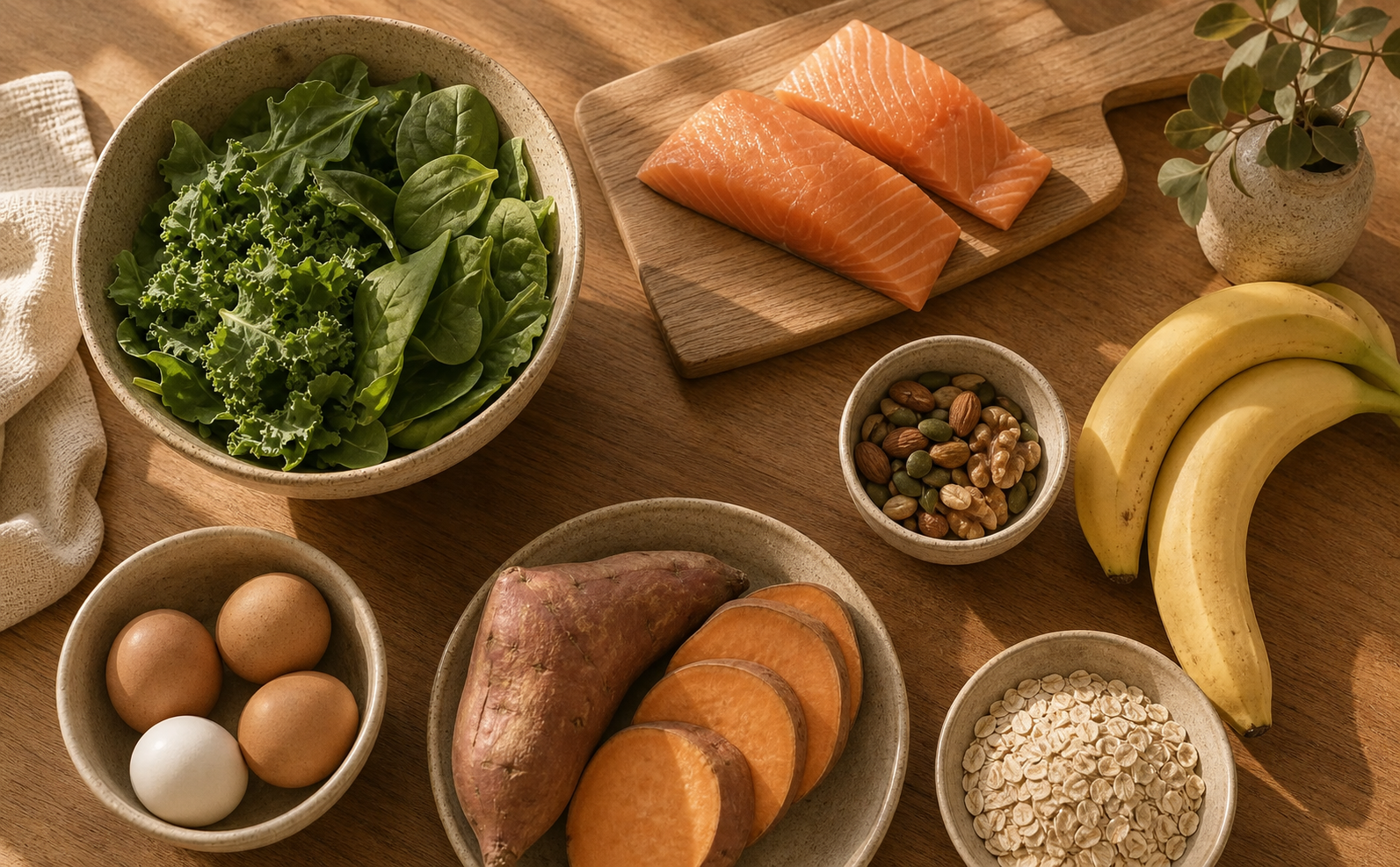
A few foods worth building into your routine:
- Leafy greens and eggs supply B vitamins that support nerve function and energy regulation
- Salmon and bananas provide magnesium and omega-3s, both linked to steadier mood
- Nuts and seeds offer zinc, which tends to run low after prolonged heavy drinking
If you're wondering how to stop craving alcohol naturally, nutrition is a real piece of the answer. It works best as a supporting layer alongside behavioral strategies or medication, not a standalone fix.
Supplements and Vitamins Worth Discussing with a Doctor
If the previous section covered which nutrients get depleted, this one is about whether taking them in supplement form actually helps, and what to ask your doctor before you start.
Thiamine (B1) is the most commonly recommended supplement for people who drink heavily, because alcohol interferes with its absorption and a deficiency can cause serious neurological damage. B-complex supplements cover a wider range, including B6 and folate, which support neurotransmitter production. Magnesium, omega-3 fatty acids, and vitamin D round out the list most often discussed in recovery contexts.
A few caveats worth flagging:
- Supplements can interact with medications, including naltrexone, so always run them by a clinician first
- Dosing depends on your actual levels, not a generic recommendation on a bottle
- No supplement will stop cravings on its own; they fill nutritional gaps that make cravings worse, which is a different thing
The simplest starting point is a B-complex and magnesium, but ask a clinician to check your actual levels before you buy a shelf of bottles. Targeted supplementation based on bloodwork does more than guessing.
How Medication-Assisted Treatment Works for Alcohol Cravings
Three FDA-approved medications exist for alcohol use disorder, and most people have never heard of any of them. Fewer than 3% of people with AUD in the U.S. receive medication, despite decades of clinical evidence.
Medication | How It Works | Best For | Key Detail |
|---|---|---|---|
Naltrexone | Blocks opioid receptors, dulling the rewarding buzz from alcohol | People who want to drink less without quitting entirely | Available as a daily 50 mg tablet or monthly injection (Vivitrol) |
Acamprosate | Restores brain chemistry destabilized after quitting | People who have already stopped drinking | Helps reduce anxiety, restlessness, and lingering cravings post-quit |
Disulfiram | Causes nausea, flushing, and discomfort if you drink | People who want a hard guardrail against any drinking | Requires daily compliance; doesn't touch the underlying craving |
Naltrexone
Naltrexone helps you drink less by blocking opioid receptors, dulling the rewarding buzz alcohol normally produces. Over time, your brain stops associating drinking with pleasure as strongly. It can be taken daily as a 50 mg tablet or as a monthly injection (Vivitrol), and timing your naltrexone dose correctly can make a real difference. It doesn't make you sick if you drink; it just makes drinking feel less interesting.
Acamprosate
After you quit drinking, your brain chemistry can stay destabilized for weeks or months, producing anxiety, restlessness, and lingering cravings. Acamprosate helps restore that chemical balance and is typically prescribed for people who have already stopped drinking.
Disulfiram
Disulfiram takes the aversion route. Drinking while taking it causes nausea, flushing, and general misery. The deterrent effect is real, but it requires daily compliance and doesn't do anything about the underlying craving itself.
According to SAMHSA, these medications are effective in reducing substance use when paired with behavioral support.
If you want to drink less without quitting entirely, naltrexone is usually the starting point. If you've already stopped and need help staying stopped, acamprosate may be a better fit. Disulfiram works best for people who want a hard guardrail against any drinking at all, and both are worth considering as alternatives to naltrexone if the first option doesn't fit.
How to Cut Back on Weeknight Drinking Without an Overhaul
Most people trying to cut back on weeknight drinking aren't looking for a recovery program, and this guide to quitting drinking without rehab reflects that. They just want fewer bottles in the recycling bin by Friday. A few strategies work well for that specific goal.
Set a number before the evening starts. One drink, two, zero on Tuesdays. Deciding in advance removes the negotiation that happens after the first pour, when your judgment is already slightly compromised.
Swap in something you actually enjoy. Find a non-alcoholic beer or mocktail that genuinely appeals to you, so the 7 p.m. ritual still has something in the glass.
Change what happens between getting home and dinner. If your usual sequence is door, couch, drink, interrupt it. Walk the dog, shower, start cooking. Disrupting the chain your brain expects makes the craving less automatic.
Tell one person what you're doing and track your drinks for two weeks, even in a notes app. The number itself changes behavior, because you can't unsee it.
Affordable Ways to Get Help Drinking Less
You don't need to spend thousands of dollars to start changing your drinking. Several options exist at little or no cost.
- SMART Recovery runs free online and in-person meetings built around cognitive behavioral tools instead of a 12-step framework
- The SAMHSA National Helpline (1-800-662-4357) is free, confidential, and available 24/7 for referrals and information
- NIAAA's Rethinking Drinking site offers free self-assessment worksheets you can work through on your own
- Community health centers often use sliding-fee scales based on income, making counseling sessions more accessible than private therapy
For people who want medication support without the overhead of traditional clinics, telehealth services offer medication-assisted treatment at fixed monthly rates, often following a standard naltrexone dosing guide. That removes the unpredictability of insurance copays and specialist referral chains. The cost of drinking less is almost always lower than the cost of keeping on.
When Cravings Signal Something That Needs Professional Attention
Not every craving is just a craving. If your urges are getting stronger over weeks instead of fading, or if you've tried to stop multiple times and can't make it stick, that pattern is telling you something self-directed strategies alone aren't covering.
Watch for withdrawal symptoms, which are physically different from cravings. Shaking hands, sweating when you haven't been active, racing heart, insomnia that feels chemical instead of merely restless. These mean your body has become dependent on alcohol, and stopping abruptly without medical supervision can be dangerous. Heavy daily drinkers should talk to a physician before quitting cold turkey, because severe alcohol withdrawal can cause seizures.
If cravings are the brain asking for alcohol, withdrawal is the body demanding it. The distinction matters because the second one can be a medical emergency.
Co-occurring anxiety, depression, or PTSD can also amplify cravings in ways that no behavioral technique will fully reach, which is part of why understanding what naltrexone feels like day by day helps set expectations. If your mental health is deteriorating alongside your drinking, a clinician needs to see the full picture. SAMHSA's National Helpline (1-800-662-4357) is free, confidential, and available around the clock for referrals.
How Onir Helps People Reduce Alcohol Cravings with Naltrexone
If naltrexone sounds like the right fit based on what you've read above, Onir makes accessing it straightforward. You start with a free 60-second quiz, complete a medical intake (about 15 to 20 minutes), and a licensed clinician reviews your history within 24 hours through secure asynchronous messaging. If approved, your prescription for medication to help you drink less ships in unmarked packaging and typically arrives within 5 to 7 business days.
The cost is $19.99 for the clinician review (refunded if you're not approved) and $99 a month, billed as $297 every 90 days, with medication and ongoing clinician care included. It's self-pay by design, so there's no insurance paperwork and no claim in your records. Onir is available in all 50 states.
You don't need to have hit a crisis point or committed to quitting entirely. Whether you want to drink less on weeknights or stop altogether, the clinician builds the plan around your goals and stays available through the dashboard if anything needs adjusting.
Final Thoughts on How to Stop Craving Alcohol
Every craving you ride out without drinking weakens the next one. That's the part most people don't hear enough. Stack a few tools together, give them time to work, and the pull gets quieter.
FAQ
Why do I crave alcohol even when I don't actually want to drink?
That disconnect is neurological, not a character flaw. Repeated drinking trains your brain to link certain contexts (time of day, stress, social settings) with a small endorphin reward, and the brain keeps requesting that reward automatically. The craving is a learned loop running on autopilot, which is why it can fire even when your conscious mind has zero interest in a drink.
What is the most affordable way to get help drinking less without therapy or rehab?
Free options include SMART Recovery's online meetings, SAMHSA's National Helpline (1-800-662-4357), and NIAAA's Rethinking Drinking worksheets. Community health centers also offer sliding-fee counseling. For medication support at a fixed cost, telehealth services like Onir provide naltrexone and clinician care for $99 a month (billed as $297 every 90 days) with no insurance required.
What supplements help with cognitive clarity and recovery if you drink regularly?
Thiamine (B1) is the most commonly recommended, since alcohol blocks its absorption and low levels can cause neurological damage. B-complex vitamins, magnesium, omega-3 fatty acids, and vitamin D are also frequently discussed in recovery contexts. That said, supplements fill nutritional gaps that make cravings worse; they won't stop cravings on their own, and dosing should be based on your actual levels, so run any plan by a clinician first.
How many days does it take to stop craving alcohol?
Individual craving episodes typically fade within 15 to 30 minutes, but the overall pattern varies. Cravings are usually strongest in the first one to two weeks after cutting back, then gradually weaken over weeks to months. People using naltrexone often notice the pull of alcohol weakening within 10 to 14 days, while those relying on behavioral strategies alone may experience strong urges for longer.
How does medication-assisted treatment for alcohol use disorder actually work?
Three FDA-approved medications exist: naltrexone blocks the endorphin reward that makes drinking feel satisfying, acamprosate restores brain chemistry after you've already stopped, and disulfiram causes unpleasant reactions if you drink. Naltrexone is the usual starting point for people who want to drink less without quitting entirely, while acamprosate suits those focused on staying stopped. Fewer than 3% of people with AUD in the U.S. receive any of these medications, despite decades of clinical evidence behind them.
Can I stop craving alcohol without medication?
Yes. Behavioral strategies like urge surfing, trigger tracking, and disrupting your evening routine can weaken cravings over time. Individual craving episodes fade within 15 to 30 minutes on their own. That said, medication like naltrexone has strong clinical evidence and fewer than 3% of people with AUD receive it, so it's worth knowing it exists even if you start with non-medication approaches.
What's the best way to stop craving alcohol at night?
Nighttime cravings are usually a time-of-day trigger — your brain has linked that hour with drinking. The most effective move is to interrupt the chain: change what happens between getting home and dinner. Go for a walk, start cooking, shower, or swap in a non-alcoholic drink you actually enjoy. Deciding before the evening starts whether you'll drink (and how much) removes the in-the-moment negotiation.
Naltrexone vs willpower for stopping alcohol cravings — which actually works better?
Naltrexone works on a different level than willpower. Willpower is a conscious effort that depletes under stress and fatigue, while naltrexone blocks the opioid receptors that make drinking feel rewarding, weakening the craving loop at a neurological level. Many people notice the pull of alcohol fading within 10 to 14 days on naltrexone. The two aren't mutually exclusive — most people do best combining medication with behavioral strategies.
How do I stop craving alcohol naturally without taking any medication?
Correcting nutritional deficiencies (B vitamins, magnesium, zinc), stabilizing blood sugar with balanced meals, and practicing urge surfing are all evidence-backed natural approaches. Tracking your triggers for a week helps you plan around them instead of reacting. These strategies genuinely work, though they tend to work best when stacked together, and cravings may take longer to fade compared to adding medication.
Should I try to cut back on alcohol or quit entirely?
That depends on your goals and your drinking history. Many people do well with a reduction-first approach, especially with naltrexone, which is designed to work whether you're cutting back or stopping completely. If you've experienced withdrawal symptoms (shaking, sweating, racing heart), talk to a physician before quitting abruptly — stopping cold turkey after heavy daily drinking can be medically dangerous.
What does naltrexone feel like when you drink on it?
Naltrexone doesn't make you sick if you drink. It blocks the endorphin reward that normally makes alcohol feel satisfying, so drinking just becomes less interesting. People often describe it as finishing half a glass and forgetting about the rest. The medication is non-addictive and non-habit-forming, and has been FDA-approved for over 30 years.
What is urge surfing and does it actually help with alcohol cravings?
Urge surfing means observing a craving without acting on it — noticing where it sits in your body, rating its intensity, and waiting for it to pass. Since individual cravings fade within 15 to 30 minutes, the technique works by teaching your brain that the urge doesn't require a response. It gets easier with repetition and is one of the core tools recommended by SMART Recovery.
How to stop craving for alcohol on Reddit — are the tips people share actually reliable?
Reddit threads on stopping alcohol cravings often include genuinely useful advice, like urge surfing, swapping evening routines, and trying naltrexone. The best tips there tend to align with what clinical evidence supports. Where Reddit falls short is in medical specifics — dosing, drug interactions, and withdrawal safety — which always deserve a conversation with a clinician, not a comment section.
Can I get naltrexone for alcohol cravings without going to a clinic in person?
Yes. Telehealth services prescribe naltrexone entirely online. With Onir, you complete a free 60-second quiz and a medical intake, a licensed clinician reviews everything within 24 hours via secure messaging, and your prescription ships in unmarked packaging. The cost is $99 a month (billed as $297 every 90 days), medication and clinician care included, with no insurance paperwork. It's available in all 50 states.
When should I talk to a doctor about my alcohol cravings instead of managing them on my own?
If your cravings are intensifying over weeks instead of fading, or you've tried to cut back multiple times without lasting success, that's a signal to get professional input. It's especially important if you notice physical withdrawal symptoms like shaking hands, sweating, or a racing heart — these mean your body has become dependent, and stopping without medical support can be dangerous. A clinician can help you figure out the right combination of medication and behavioral strategies for your situation.
The science behind Onir has been covered by
82%
drinking less within two weeks
30+ yrs
FDA-approved & clinically studied
1,200+
clinical studies behind it
$99
per month, shipped discreetly
In their words
“I set one alarm for 5 p.m. and stopped thinking about it. Three weeks later the second glass just wasn't interesting anymore. No willpower involved.”
Individual results vary.
A quieter next step, when you want one
If practical changes have not been enough, a licensed clinician can review the rest privately. It doesn't commit you to anything.
60 seconds · 11 questions · Fully refunded if you're not approved