Onir Resources
Right Naltrexone Dose for Drinking Less
Updated October 2026: low-dose naltrexone lacks trial data for alcohol cravings, while the 50 mg dose has decades of research behind it.

By Justine Fowey, Onir Health Editorial Team
· Updated
There's a lot of noise online about naltrexone and drinking less. Some of it points to the FDA-approved 50 mg dose. Some of it points to low dose naltrexone at a fraction of that amount. They sound like the same thing, but they aren't, and the clinical evidence behind each one tells a very different story. If you're trying to figure out which dose actually works for alcohol cravings, this is worth your time.
TLDR:
- LDN (1.5-4.5 mg) has no clinical trial data for alcohol cravings; the evidence-backed dose is 50 mg
- You can drink on naltrexone 50 mg safely, unlike disulfiram, which causes a physical reaction
- A 2024 JAMA meta-analysis confirmed 50 mg naltrexone reduces heavy drinking days vs. placebo
- Avoid opioids for 7-10 days before starting naltrexone to prevent severe withdrawal
- Onir prescribes naltrexone 50 mg online at $99/month with clinician support in all 50 states
What Is Low-Dose Naltrexone (LDN)?
Low-dose naltrexone, usually called LDN, refers to naltrexone prescribed at roughly 1.5 mg to 4.5 mg per day. That's a fraction of the standard 50 mg tablet the FDA approved for treating alcohol use disorder and opioid dependence.
LDN grew out of research into autoimmune and inflammatory conditions like fibromyalgia, Crohn's disease, and multiple sclerosis. At these tiny doses, the drug behaves differently in the body than it does at 50 mg, and the clinical rationale behind each dose has little overlap.
If you searched "low dose naltrexone alcohol," you're in good company. Our guide to stopping alcohol cravings covers this confusion in detail. But most evidence connecting naltrexone to reduced drinking involves the full 50 mg dose, not LDN. The two get mixed up constantly online. That confusion can steer people toward a dose never rigorously studied for alcohol cravings. The rest of this article walks through what the research actually supports.
How Naltrexone Works in the Body
When you drink, your brain releases endorphins that bind to opioid receptors, producing a small rush of pleasure. That loop is what makes the second glass feel almost automatic. Naltrexone is an opioid receptor antagonist: it sits on those same receptors and blocks endorphins from landing.
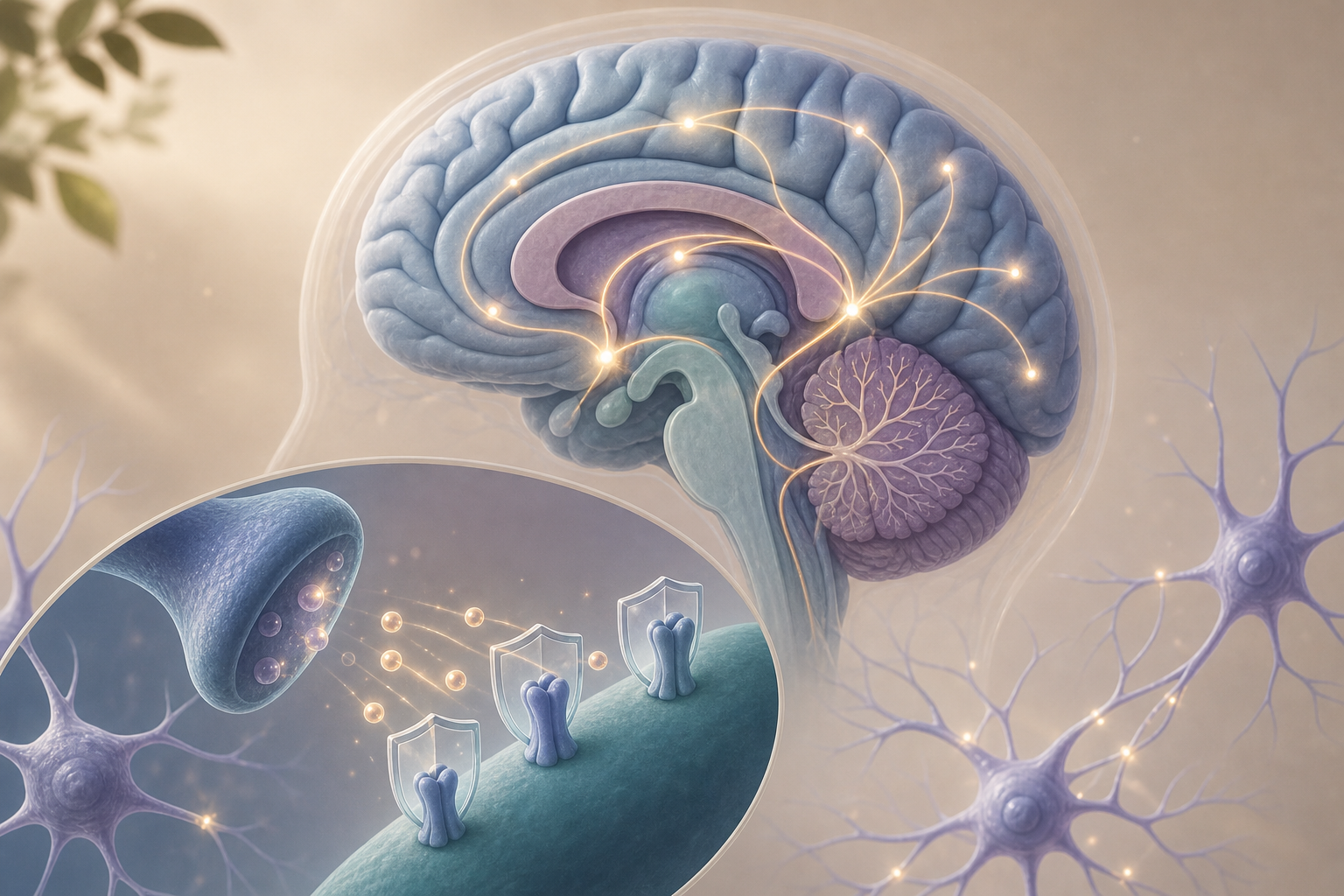
The drink still happens, but the reward signal is muted. Your brain expected a payoff and didn't get one. Over weeks, that mismatch weakens the learned connection between alcohol and pleasure, a process researchers sometimes call pharmacological extinction. The craving doesn't vanish overnight, but the pull gradually loses its grip as the reinforcing loop fades.
LDN Versus Standard-Dose Naltrexone for Alcohol
The distinction is simple but easy to miss. The FDA-approved dose for alcohol use disorder is 50 mg daily. LDN, at 1.5 to 4.5 mg, has no FDA approval for alcohol use disorder and no large-scale clinical trials supporting it for that purpose.
Standard Dose (50 mg) | Low Dose (1.5-4.5 mg) | |
|---|---|---|
FDA-approved for AUD | Yes | No |
Large clinical trials for alcohol | Yes | No |
Common use cases | Alcohol use disorder, opioid dependence | Chronic pain, autoimmune conditions (off-label) |
Opioid receptor blockade | Near-complete | Brief, partial |
That table matters because over 28 million people aged 12 and older in the U.S. have alcohol use disorder, yet fewer than 3% receive any medication for it. Confusing a 4 mg dose studied for fibromyalgia with the 50 mg dose backed by decades of alcohol research can send someone down the wrong path entirely.
If you've been reading about LDN for alcohol cravings on Reddit or wellness blogs, you're likely seeing anecdotal reports, not clinical evidence. The dose that blocks the reward loop is 50 mg, not 4.5 mg.
Clinical Evidence for Naltrexone and Alcohol Cravings
The clinical case for naltrexone at 50 mg rests on a large body of controlled trials, though individual results have been mixed. Some studies, including a 2001 NEJM trial focused on chronic severe alcohol dependence, found no meaningful benefit over placebo. Still, a 2024 JAMA systematic review and meta-analysis pooling the broader evidence reaffirmed that oral naltrexone reduces return to any drinking and heavy drinking days compared to placebo. That overall finding held even with the negative trials in the mix.
The COMBINE trial, one of the largest controlled studies on alcohol pharmacotherapy, found that naltrexone combined with medical management produced a meaningful reduction in heavy drinking days. Participants weren't required to quit entirely. They just drank less, and less destructively.
For people searching "low dose naltrexone for alcohol use disorder," the straightforward answer is that no comparable large-scale trial data exists for LDN at 1.5 to 4.5 mg. The evidence base that clinicians and federal guidelines rely on was built around 50 mg. Until rigorous trials test LDN head-to-head against the standard dose for drinking outcomes, the clinical support isn't there.
Can You Drink Alcohol While Taking Naltrexone?
Yes. Naltrexone does not cause a dangerous physical reaction when combined with alcohol, which sets it apart from disulfiram (Antabuse), a medication designed to make you feel sick if you drink. You can take naltrexone and still have a glass of wine at dinner without worrying about flushing, nausea, or a racing heart from the drug itself. Our guide to drinking on naltrexone walks through what to expect.
Two common dosing approaches exist, and both assume some drinking may happen:
- Daily dosing: you take 50 mg every morning (or at a consistent time), whether or not you plan to drink that day. The receptor blockade stays active around the clock.
- The Sinclair Method: you take 50 mg about one hour before your first drink, only on days you drink. Blocking the reward response during the session gradually extinguishes the craving over time. On days you don't drink, you skip the pill.
Both protocols use the standard 50 mg dose. If you searched "can you drink alcohol on low dose naltrexone," note that the 1.5 to 4.5 mg LDN range was not designed with this mechanism in mind, and no clinical protocol pairs it with drinking the way the Sinclair Method pairs 50 mg with alcohol.
Side Effects of Naltrexone When Used for Alcohol
Most side effects show up in the first few days and aren't severe, as covered in our naltrexone side effects guide. The most common ones:
- Nausea, which often improves if you eat a meal before taking the pill
- Fatigue that tends to lift within the first week or two
- Headache
- Reduced appetite
Some clinicians suggest starting at 25 mg for the first several days, then stepping up to the full 50 mg, which can smooth the transition. See our naltrexone dosing guide for more detail.
The one safety warning that isn't optional: if you've used any opioids in the past 7 to 10 days, including heroin, fentanyl, oxycodone, or codeine, do not take naltrexone. It will trigger immediate, severe opioid withdrawal. This applies to the full 50 mg dose and is the reason every prescribing clinician asks about recent opioid use before writing the script. If you're unsure whether something counts, bring it up with your clinician first.
What to Avoid When Taking Naltrexone
Opioids top the list. Heroin, fentanyl, oxycodone, codeine, and any other opioid must be out of your system for at least 7 to 10 days before you start naltrexone. Combining them triggers precipitated withdrawal, which is dangerous and intensely uncomfortable.
Kratom is a less obvious conflict. Because it acts on the same opioid receptors naltrexone blocks, combining the two is not recommended. If you use kratom, tell your clinician before starting treatment.
A few other things worth flagging:
- THC and CBD: ask your clinician. The interactions aren't as clear-cut as opioids, but your prescriber needs the full picture.
- Supplements and vitamins: everyday multivitamins are typically fine, but send your clinician the names of anything you take regularly. Some herbal supplements can complicate things in ways that aren't obvious from the label.
The general rule is simple: disclose everything. Medications, supplements, substances you use recreationally. Your clinician can only keep you safe with complete information.
Naltrexone Compared to Other Medications for Alcohol Use Disorder
Three medications carry FDA approval for alcohol use disorder, and each takes a different route to the same general goal.
Naltrexone blocks opioid receptors so the rewarding buzz from drinking is dulled. Over time, the brain stops expecting a payoff, and cravings weaken. It works whether someone is still drinking or not.
Acamprosate (Campral) targets a different system. Chronic heavy drinking disrupts the balance between excitatory and inhibitory signaling in the brain, and acamprosate helps restore it. It's best suited for people who have already stopped drinking and want to stay abstinent.
Disulfiram (Antabuse) is the oldest and bluntest option, and deciding between Antabuse or naltrexone often comes down to how your goals and tolerance for side effects line up. It blocks how your body metabolizes alcohol, so even a small amount causes flushing, nausea, and a pounding headache. The logic is pure deterrence, and skipping a dose removes the guardrail entirely.
No single medication is right for everyone, and if naltrexone isn't the fit, there are acamprosate and disulfiram options worth discussing. The choice depends on whether your goal is cutting back or quitting completely, how you respond to side effects, and what your clinician recommends based on your health history.
Alternatives to Abstinence-Only Programs
A lot of people who search for "low dose naltrexone alcohol" aren't looking for a way to quit entirely. They want to drink less, and they want a structured approach that doesn't start with the assumption they need to never touch alcohol again.
Abstinence-only programs like Alcoholics Anonymous have helped millions, but they aren't the only path. Several AA alternatives for drinking less support a range of goals, from moderate drinking to full sobriety:
- Medication-assisted treatment with naltrexone, which works whether you're still drinking or not and can be paired with a goal of reduction
- SMART Recovery, a self-help program built on cognitive behavioral principles with meetings focused on motivation, coping with urges, and managing thoughts and behaviors
- Moderation Management, designed for people whose goal is controlled drinking instead of zero drinks
- Cognitive behavioral therapy (CBT) with a therapist, which helps identify the triggers and thought patterns behind habitual drinking
These aren't fringe options. Federal treatment guidelines recognize that a range of goals is clinically valid, and that insisting on abstinence as the only acceptable outcome can keep people from seeking help at all.
Why Alcohol Cravings Persist Even When You Want to Stop
Cravings aren't a willpower problem. They're a wiring problem.
The reward loop covered above explains why drinking feels good. What makes cravings so stubborn is what happens around that loop: your brain pairs the reward with every context it shows up in. A stressful workday, a Friday evening, even the sound of a bottle opening can fire the circuit before your conscious mind has a say. Each context becomes its own trigger, which is why changing just one habit, like skipping the after-work beer, rarely quiets the urge everywhere else.
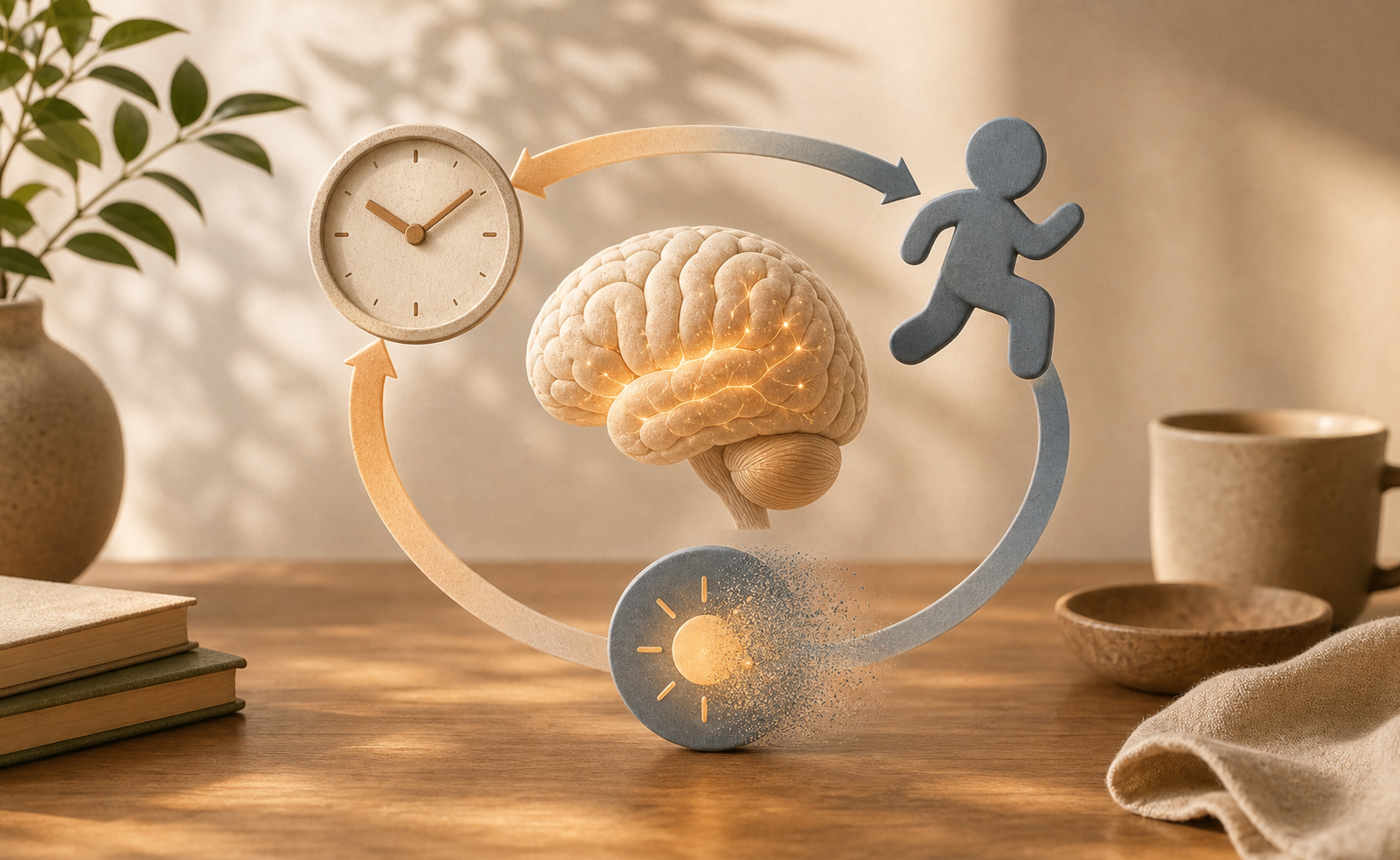
The craving isn't asking for your permission. It's a conditioned response running on autopilot, built from months or years of reinforcement.
This is why white-knuckling through an urge so often fails. Your prefrontal cortex, responsible for deliberate decisions, is fighting subcortical reward pathways that operate faster and don't care about your morning regrets. Stress, fatigue, and emotional triggers tilt the balance further toward the automatic response.
Naltrexone cuts the urge to drink because it interrupts the loop at the receptor level. The cue still fires, the urge still arrives, but the expected reward doesn't land. Over time, without reinforcement, those conditioned pathways weaken.
How to Get a Naltrexone Prescription
Any licensed prescriber in the U.S. can write a naltrexone prescription. Unlike buprenorphine, which historically required a special DEA waiver, naltrexone has no such restriction. Your family doctor, an internist, a psychiatrist, or an addiction medicine specialist can all prescribe it.
Three common routes:
- Your primary care physician, who already knows your medical history and can monitor liver function alongside any other conditions you manage together
- An addiction specialist or psychiatrist, which makes sense if your drinking is intertwined with other mental health concerns or if your PCP isn't comfortable prescribing
- A telehealth naltrexone prescription service, where the entire process happens online, from intake to prescription to delivery, without a waiting room or an in-person appointment
Some people prefer telehealth because it's private and fast. Others want the continuity of a doctor they've seen for years. Both are reasonable choices, and the medication is the same either way.
How Onir Prescribes Naltrexone for Drinking Less
At Onir, we prescribe the medication to cut back on alcohol, FDA-approved generic naltrexone hydrochloride 50 mg tablets, through a process that stays entirely online. The intake takes about 15 to 20 minutes. A licensed U.S. clinician reviews it, usually within 24 hours, through a secure asynchronous text-based chat, and if naltrexone is right for you, the prescription ships to your door in plain, unmarked packaging.
Many members report that cravings start to lose their grip within the first few weeks. The subscription runs $99 a month, billed as $297 every 90 days, with medication and clinician care included. We're self-pay by design, so there's no insurance claim record. You can cancel anytime from your dashboard.
If you've read this far and want to try the 50 mg dose the clinical evidence actually supports, with ongoing clinician support built in and available in all 50 states, you can start with our free 60-second quiz at onirhealth.com.
Final Thoughts on Naltrexone Dosing for Alcohol Use
The short version: LDN at 1.5 to 4.5 mg wasn't designed for alcohol cravings, and no rigorous trial data backs it for that use. The 50 mg dose is the one with decades of research behind it. Knowing that gives you a clearer starting point for your next conversation with a prescriber.
FAQ
Why do I crave alcohol even when I don't actually want to drink?
Cravings are a conditioned response, not a character flaw. Every time drinking leads to a pleasurable experience, your brain encodes that trigger-behavior-reward sequence until it fires almost automatically. Naltrexone at 50 mg works by blocking the reward signal at the opioid receptor level, so over weeks the conditioned pathway weakens and the pull fades.
Can you drink alcohol on low dose naltrexone the same way you can on the standard 50 mg dose?
The standard 50 mg dose is specifically designed to block the endorphin reward from drinking, and both daily dosing and the Sinclair Method assume you may still drink while taking it. LDN at 1.5 to 4.5 mg was developed for autoimmune and pain conditions, not alcohol, and no clinical protocol pairs that dose range with drinking to reduce cravings.
Oar Health vs Ria Health vs Onir for cutting back on alcohol?
All three are telehealth services prescribing naltrexone, but they differ in structure and feel. Onir is self-pay at $99 a month, billed as $297 every 90 days, with FDA-approved generic naltrexone hydrochloride 50 mg tablets and clinician care included. It ships to all 50 states and keeps treatment off your insurance record by design. If a lifestyle-first, fully online experience with no insurance paperwork matters to you, Onir is worth comparing side by side with other Oar Health alternatives.
Are there alternatives to AA for people who want to drink less but not quit completely?
Yes. Medication-assisted treatment with naltrexone, SMART Recovery, Moderation Management, and cognitive behavioral therapy all support a range of goals from cutting back to stopping entirely. Federal treatment guidelines recognize that insisting on abstinence as the only outcome can keep people from seeking help at all.
How does medication-assisted treatment for alcohol use disorder actually work?
A prescriber gives you a medication like naltrexone (50 mg), acamprosate, or disulfiram that targets a specific part of the drinking cycle: the reward signal, brain chemistry balance after quitting, or physical deterrence. Naltrexone blocks the endorphin payoff from drinking so cravings weaken over time, and it can be prescribed by any licensed clinician in the U.S. with no special waiver required.
Can low dose naltrexone help with alcohol cravings, or do you need the full 50 mg?
The clinical evidence for reducing alcohol cravings points to the 50 mg dose, not the 1.5 to 4.5 mg LDN range. A 2024 JAMA meta-analysis confirmed that 50 mg naltrexone reduces heavy drinking days compared to placebo, while no comparable trial data exists for LDN and alcohol.
What are the side effects of naltrexone when used with alcohol?
The most common side effects are nausea, fatigue, headache, and reduced appetite, and they typically show up in the first few days. Eating a meal before taking the pill can reduce nausea, and some clinicians recommend starting at 25 mg for several days before stepping up to 50 mg to ease the transition.
Naltrexone daily dosing vs the Sinclair Method — which is better for drinking less?
Daily dosing keeps opioid receptors blocked around the clock whether or not you drink, while the Sinclair Method has you take 50 mg about an hour before your first drink on days you drink and skip it on dry days. Both use the same 50 mg dose and have clinical support; the best fit depends on your drinking pattern and what your clinician recommends.
Should I use naltrexone, acamprosate, or disulfiram to cut back on drinking?
Naltrexone blocks the reward signal from alcohol so cravings weaken over time, and it works whether you're still drinking or not. Acamprosate is better suited for people who've already stopped and want to stay abstinent, while disulfiram causes a physical reaction if you drink at all. Your clinician can help match the medication to your goals and health history.
What's the difference between low dose naltrexone and standard naltrexone for alcohol use disorder?
Standard naltrexone at 50 mg provides near-complete opioid receptor blockade and is FDA-approved for alcohol use disorder with decades of clinical trial data. LDN at 1.5 to 4.5 mg produces only brief, partial blockade and was studied for autoimmune and pain conditions — it has no FDA approval and no large-scale trial evidence for alcohol.
Can you take low dose naltrexone and drink alcohol if you're on opioids?
No. Naltrexone at any dose must not be taken if you've used opioids in the past 7 to 10 days, including heroin, fentanyl, oxycodone, codeine, or kratom. Combining them triggers precipitated withdrawal, which is dangerous and intensely uncomfortable. Always disclose recent opioid use to your clinician before starting.
Is the low dose naltrexone alcohol discussion on Reddit backed by real evidence?
Most of what you'll find on Reddit about low dose naltrexone and alcohol consists of anecdotal reports, not clinical evidence. No large-scale controlled trials have tested the 1.5 to 4.5 mg dose range for alcohol cravings or drinking reduction. The dose with rigorous trial data behind it is 50 mg.
How long does it take for naltrexone to reduce alcohol cravings?
Most people notice the pull of alcohol weakening within 10 to 14 days, with improvements in sleep and energy often appearing in the first month. The effect builds over weeks as the brain's learned connection between drinking and reward gradually fades without reinforcement.
Can I get a naltrexone prescription online without going through my insurance?
Yes. Telehealth services like Onir handle the entire process online (intake, clinician review, prescription, and delivery) on a self-pay basis. Because naltrexone without insurance means no insurance billing, treatment stays off your insurance record. Onir prescribes FDA-approved generic naltrexone hydrochloride 50 mg tablets for $99 a month, billed as $297 every 90 days, and is available in all 50 states.
What happens if naltrexone doesn't work for me — are there other options?
If naltrexone isn't the right fit, your clinician can discuss acamprosate or disulfiram, which are the other two FDA-approved medications for alcohol use disorder. Behavioral approaches like cognitive behavioral therapy, SMART Recovery, and Moderation Management can also be used on their own or alongside medication.
What tools should I use to cut back on drinking but keep it private from my employer?
A few options keep things low-profile: a telehealth clinician who prescribes naltrexone, a therapist you pay for yourself, and self-guided tracking tools or support groups that don't run through work benefits. If privacy from your employer matters, check how any benefit-based program handles records before you use it. Onir is self-pay, so there's no insurance claim record, the medication arrives in plain, unmarked packaging, and your data is never shared with an employer. Substance use treatment records also carry extra federal protections under 42 CFR Part 2. One thing to know: a filled prescription is logged in the national e-prescribing network, so naltrexone can appear on a medication list at a doctor's office even though nothing went through insurance.
Is there a prescription option to help me drink less without going to rehab?
Yes. Naltrexone is an FDA-approved prescription for alcohol use disorder, has been for over 30 years, and is taken at home as a daily tablet, so no inpatient stay is involved. Acamprosate and disulfiram are the other two approved options. With Onir, you start with the free 60-second quiz, then a $19.99 clinician review (refunded in full if you're not approved). If a clinician prescribes it, the cost is $99 a month, billed as $297 every 90 days, with medication and clinician care included. Naltrexone isn't right for everyone, including anyone taking opioids. If you drink heavily every day, talk to a physician before stopping abruptly, since alcohol withdrawal can be dangerous.
The science behind Onir has been covered by
82%
drinking less within two weeks
30+ yrs
FDA-approved & clinically studied
1,200+
clinical studies behind it
$99
per month, shipped discreetly
In their words
“I started my medication about 8 days ago. I feel amazing. Don't really have any urges to drink alcohol.”
Keep reading
Resources
Naltrexone Before and After: A 90-Day Breakdown
What really changes after 90 days of naltrexone? This guide covers cravings, sleep, and side effects week by week, updated October 2026.
ReadResources
Drinking on Naltrexone: What to Expect
See how naltrexone changes drinking, what side effects to expect, and how the Sinclair Method works in 2026.
ReadResources
Top 6 Ria Health Alternatives & Competitors
See the best Ria Health alternatives and competitors in October 2026, ranked by medication access, pricing, and state availability.
Read