Onir Resources
Antabuse or Naltrexone for Cutting Back on Drinking?
Comparing Antabuse and naltrexone for alcohol use disorder? Learn the key differences in mechanism, cost, and safety for October 2026.

By Justine Fowey, Onir Health Editorial Team
· Updated
So you're weighing antabuse vs naltrexone and trying to figure out which one makes sense for how you actually want your relationship with alcohol to change. That's the right question, because these two medications couldn't be more different in practice. One draws a hard line at zero drinks. The other lets you keep drinking while it quietly rewires how your brain responds to alcohol.
TLDR:
- Antabuse makes you sick if you drink; naltrexone dulls the reward, letting you cut back or quit
- Naltrexone is first-line for AUD; disulfiram is second-line due to compliance challenges
- Choose Antabuse if your goal is full abstinence with supervised daily dosing
- Naltrexone supports moderation or quitting, with daily, as-needed, or monthly injection options
- Onir prescribes generic naltrexone 50 mg online at $99/month with no insurance claims filed
Want a licensed clinician to tell you if naltrexone fits you?
Quiz takes 60 seconds. $19.99 review, refunded if you're not approved.
How Antabuse and Naltrexone Treat Alcohol Use Disorder
Antabuse (disulfiram) and naltrexone are both FDA-approved, prescription-only medications for alcohol use disorder, and they're often mentioned in the same breath. But the way they work could hardly be more different. One punishes drinking with severe physical reactions. The other quietly dulls the reward your brain gets from alcohol, making it easier to stop at one or skip the drink entirely.
Both are typically used alongside some form of behavioral support, whether that's therapy, coaching, or structured check-ins. And both have decades of clinical use behind them. Yet despite strong evidence for their effectiveness, fewer than 4% of people with AUD are prescribed any medication at all.
If you're weighing these two options, the comparison comes down to mechanism, goal, and what daily life on each medication actually looks like.
How Antabuse (Disulfiram) Works
Disulfiram works by blocking aldehyde dehydrogenase (ALDH), an enzyme your body needs to break down alcohol. Without it, a toxic byproduct called acetaldehyde builds up in your bloodstream every time you drink. The result is deeply unpleasant: flushing, nausea, vomiting, headache, and rapid heartbeat, sometimes within minutes of your first sip. Disulfiram irreversibly inhibits this enzyme, so the effect lasts until your body produces new ALDH, which can take up to two weeks after your last dose.
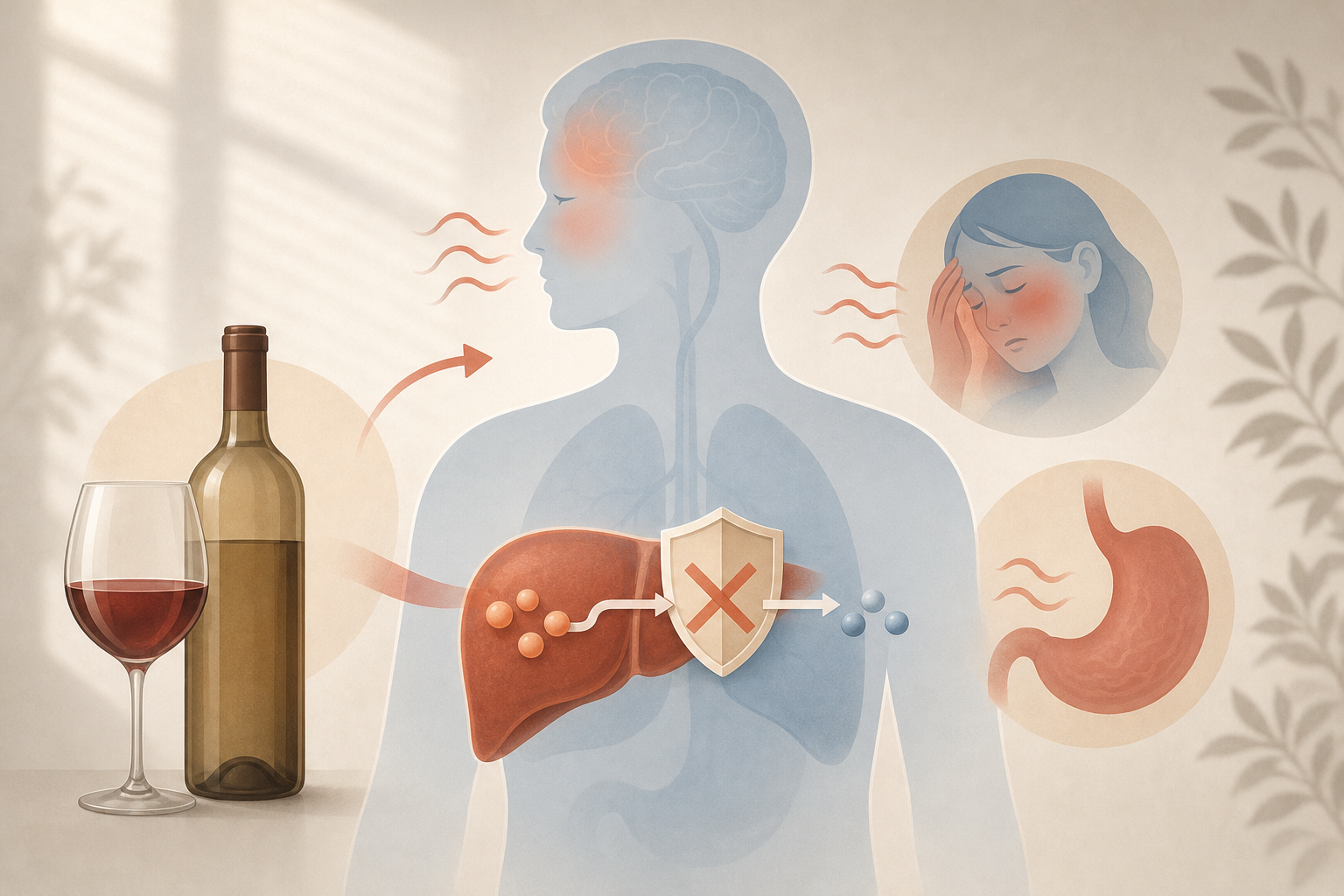
Antabuse doesn't reduce your craving for a drink or make alcohol less appealing on a neurological level. It makes drinking physically miserable. The logic is aversion: if you know a glass of wine will make you violently ill, you're less likely to pour one. First approved in the U.S. in 1951 for chronic alcoholism, it remains one of the oldest pharmacological tools for AUD.
The standard daily dose is 250 mg, though clinicians may prescribe anywhere from 125 to 500 mg depending on the patient. Because the deterrent only works if you actually take the pill, supervised dosing is common in clinical settings.
How Naltrexone Works
Naltrexone is an opioid receptor antagonist. When you drink, your brain releases endorphins that bind to opioid receptors, creating the warm buzz that makes alcohol feel rewarding. Naltrexone blocks those receptors, so the endorphins still release but have nowhere to land. The drink feels flatter, less interesting. Over time, your brain stops associating alcohol with a payoff, a process researchers call pharmacological extinction.
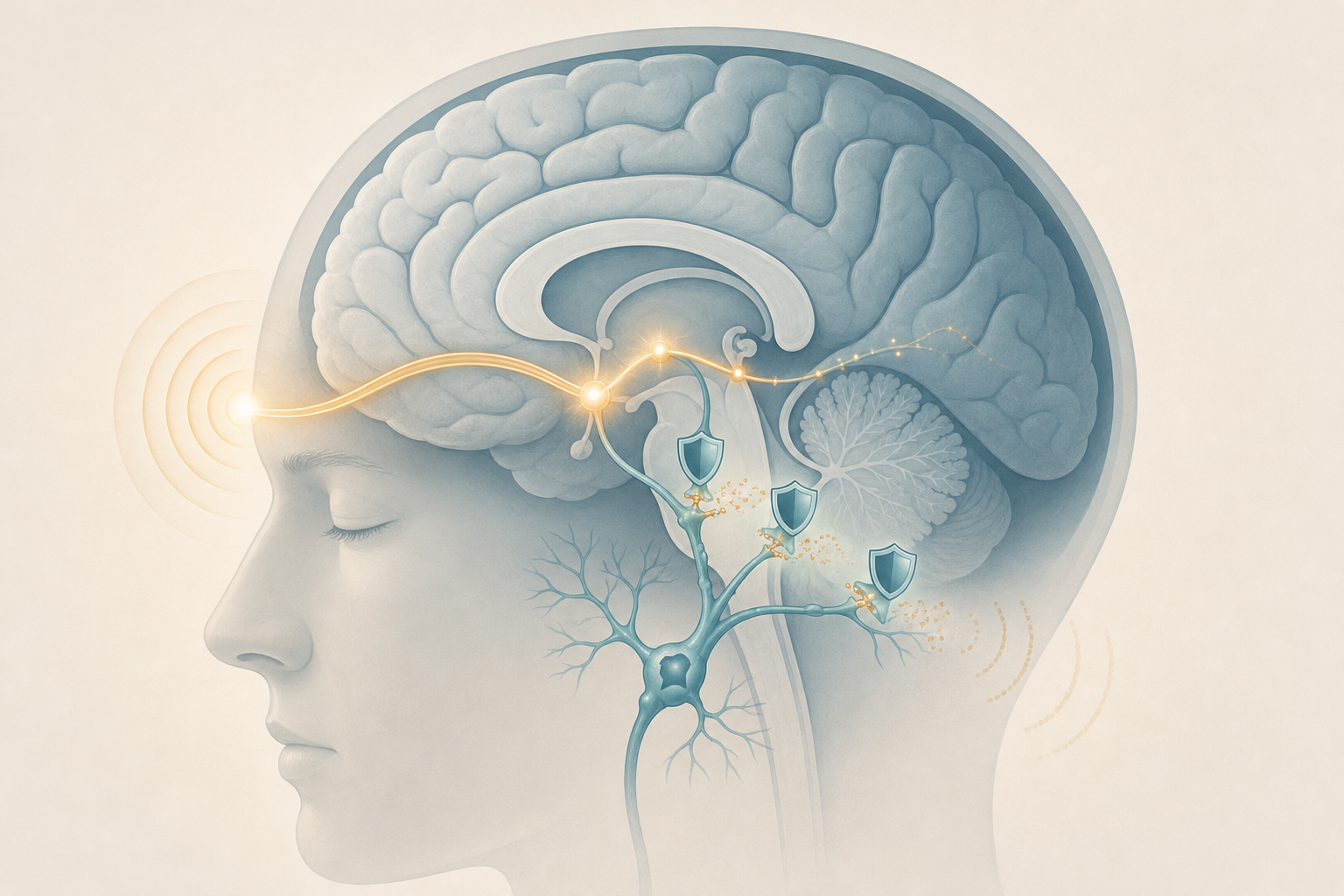
That distinction matters. Where Antabuse makes you sick if you drink, naltrexone makes drinking less satisfying. You can still have a beer drinking on naltrexone without ending up hunched over a toilet. The pull just gradually fades.
The standard naltrexone dosing is 50 mg once daily, and there's also a 380 mg monthly injectable called Vivitrol for people who prefer not to take a daily pill. Some people take naltrexone only before drinking, an approach known as the Sinclair Method. That as-needed flexibility is something Antabuse can't offer, since disulfiram must be taken every day to maintain its deterrent effect.
Private clinician review, 60 seconds. See if Onir fits you.
Antabuse vs Naltrexone: First-Line vs Second-Line Status
Clinical guidelines from the American Academy of Family Physicians place naltrexone and acamprosate as first-line medications for AUD. Disulfiram sits a tier below as a second-line option.
The reasoning is straightforward. Naltrexone has a deeper body of randomized controlled trial evidence supporting its ability to reduce heavy drinking days and prevent relapse. Disulfiram's track record is more complicated, because its effectiveness depends almost entirely on whether someone actually takes it every day. Skip a dose, and the aversion disappears. That's why guidelines typically recommend disulfiram for patients who are highly motivated and, ideally, taking it under supervised conditions, one of several alternatives to naltrexone worth knowing.
For someone comparing antabuse vs naltrexone, this ranking is worth noting. A second-line designation doesn't mean disulfiram is ineffective. It means the evidence is harder to interpret when compliance is inconsistent, and most clinicians will reach for naltrexone first.
Side Effects and Safety Profiles Compared
Both medications carry real side effects, but the day-to-day experience of each is quite different.
Antabuse's routine side effects are relatively mild: drowsiness, a metallic or garlic-like taste, and occasional skin rash. The serious risk comes if you drink while taking it. The disulfiram-ethanol reaction can cause severe flushing, vomiting, chest pain, difficulty breathing, and drops in blood pressure. That makes Antabuse a medication where the worst side effect is, by design, the mechanism of action.
Naltrexone's common side effects, including nausea, are fatigue, headache, and reduced appetite. These tend to fade within the first week or two, and taking the tablet with food helps. One safety warning is non-negotiable: never take naltrexone if you've used opioids in the past 7 to 10 days, as it blocks opioid receptors and will trigger immediate, severe withdrawal.
Both drugs require liver function monitoring, a key part of naltrexone and liver safety. Naltrexone carries an FDA boxed warning about hepatotoxicity at high doses, and disulfiram can cause hepatitis in rare cases.
Who Should Choose Antabuse
Disulfiram makes the most sense if your goal is zero drinks, full stop. It's built for abstinence, not moderation, and it works best when you've already decided you don't want to drink and need a pharmacological guardrail to hold you there.
Good candidates tend to share a few traits:
- A clear goal of full abstinence with no interest in "cutting back"
- Willingness to take the pill under someone else's watch, whether that's a partner, a family member, or a clinician
- Strong personal motivation on days when no one is watching
- No pattern of impulsive drinking, since a spur-of-the-moment decision to drink on disulfiram can land you in the ER
If you tend to plan your drinking or find yourself slipping back gradually after periods of sobriety, the daily accountability of Antabuse can close that gap. But if your relationship with alcohol is more spontaneous, or if you'd rather learn to have one glass of wine without wanting three more, disulfiram is the wrong tool for that job.
Who Should Choose Naltrexone
Naltrexone is a medication that helps you cut back and fits a wider range of goals. If you want to go from five drinks a night to one or two, it can help with that. If you want to quit entirely, it supports that too. The medication doesn't force a binary choice between all or nothing.
That flexibility shows up in how you take it. A daily 50 mg tablet works for steady, ongoing support. The Sinclair Method, where you take it only before drinking, appeals to people who want to dial things down without committing to a daily pill on days they're not drinking. And Vivitrol, the monthly injection, removes the daily decision entirely.
If your goal is learning to leave a half-full glass on the table instead of never picking one up, naltrexone is designed for exactly that kind of change.
Because naltrexone doesn't make you sick when you drink, it's a practical option for cutting the urge to drink among people whose drinking is woven into their social life. You can still go to dinner, still order a drink. The pull to keep going just gets quieter over time. For people who've tried willpower-only approaches and found them exhausting, that neurological support often makes the difference.
Formulations, Dosing, and Availability
Here's how the two medications break down in practice.
Antabuse (disulfiram) | Naltrexone (oral) | Vivitrol (naltrexone injection) | |
|---|---|---|---|
Form | Tablet | Tablet | Intramuscular injection |
Strength | 250 mg or 500 mg | 50 mg | 380 mg |
Frequency | Daily | Daily or as needed | Every 4 weeks |
Generic available | Yes | Yes | No |
Approximate monthly cost (generic) | $30 to $100 | Similar range | N/A (brand only, much higher) |
Generic tablets for both disulfiram and naltrexone fall in a comparable price range, making either oral option accessible for most people paying out of pocket. Vivitrol is a different story: without insurance or a manufacturer savings program, the monthly injection costs far more than either generic tablet.
One logistical note worth flagging: Antabuse only comes as a daily tablet. Naltrexone gives you three distinct modes of use across two formulations, from daily oral dosing to as-needed use before drinking to a once-monthly shot that removes the daily decision altogether.
Contraindications and Drug Interactions
Each medication has a distinct set of situations where it should not be used, and knowing yours matters before choosing between them.
Antabuse is off the table if you have severe heart disease or a history of psychosis. It's also contraindicated if you've consumed any alcohol in the past 12 hours. The disulfiram-ethanol reaction can cause dangerous drops in blood pressure and cardiovascular stress, so prescribing it to someone with an unstable heart condition would be reckless. Patients with severe hepatic disease should also avoid it.
Naltrexone's hard line is opioids. If you've taken any opioid in the past 7 to 10 days, naltrexone will throw you into immediate, severe withdrawal. That includes prescription painkillers like oxycodone and codeine. Both medications require attention to liver health, since each can affect hepatic function through different mechanisms.
Drug interactions add another layer. Disulfiram interacts with metronidazole, certain blood thinners, and even alcohol-containing products like mouthwash or cough syrup. Naltrexone's drug interactions profile is narrower but absolute: any opioid-based medication, from cough suppressants containing codeine to post-surgical painkillers, will either be blocked or cause a dangerous reaction.
A clinician should review your full medication list before either prescription. If you use kratom, that's worth flagging too, since it acts on the same opioid receptors naltrexone blocks.
Other FDA-Approved Medications for Alcohol Use Disorder
Antabuse and naltrexone get most of the attention, but they share the FDA-approved category with a third medication: acamprosate, sold under the brand name Campral. Acamprosate works differently from both. It stabilizes glutamate and GABA activity in the brain, calming the neurochemical disruption that lingers after someone stops drinking. It's typically prescribed to help maintain abstinence instead of reduce intake, and it requires taking two tablets three times a day.
Beyond the three approved options, some clinicians prescribe topiramate or gabapentin off-label. Both have supporting evidence for reducing heavy drinking days, and the VA/DoD clinical practice guidelines list topiramate alongside naltrexone as effective for preventing relapse. Neither carries formal FDA approval for AUD, so insurance coverage and prescriber comfort vary.
If your clinician has suggested one of these alternatives, it's worth asking why it fits your situation better than naltrexone or disulfiram. The right medication depends on your drinking pattern, your goals, and what else is on your medication list.
Getting Naltrexone Prescribed Online Without an In-Person Visit
Naltrexone's prescribing pathway has gotten simpler in recent years. Because it doesn't carry the same supervision requirements as disulfiram, you can now get naltrexone prescribed online after a remote clinical review. You fill out a medical history, a licensed clinician confirms you're a good candidate, and the prescription goes to a pharmacy without you sitting in a waiting room.
That accessibility gap between the two medications is real. Antabuse typically calls for closer clinical oversight, sometimes including supervised dosing, which makes it harder to manage entirely online. Naltrexone fits neatly into an asynchronous telehealth model where a clinician reviews your intake, asks follow-up questions through secure messaging, and writes the prescription if everything checks out.
For people who'd rather keep treatment off insurance records, self-pay telehealth options remove another layer of friction. No claim gets filed, no explanation of benefits shows up in the mail.
How Onir Prescribes Naltrexone for People Who Want to Drink Less
At Onir, we prescribe FDA-approved generic naltrexone hydrochloride 50 mg tablets through a process that stays entirely online. You start with a free 60-second quiz, followed by a $19.99 clinician review (refunded in full if you're not approved). A licensed U.S. clinician reviews your intake through secure, asynchronous text-based chat, usually within 24 hours.
If approved, a 90-day supply ships to your door in plain, unmarked packaging. The subscription runs $99 a month, billed as $297 every 90 days, with medication and clinician care included. Many members report noticing the pull of alcohol weakening within the first couple of weeks, though individual response times vary.
Because we're self-pay only, no insurance claim gets filed and nothing shows up on an explanation of benefits. Your data is never shared with an employer. We're available in all 50 states, and you can manage everything from your dashboard without calling anyone or sitting in a waiting room.
Final Thoughts on Naltrexone vs Antabuse
Your drinking pattern and your goal matter more than any ranking. Antabuse draws a hard boundary. Naltrexone makes the boundary feel less necessary over time. A clinician who knows your full picture can help you land on the one that actually fits.
FAQ
Antabuse vs naltrexone: which one lets you keep drinking socially?
Naltrexone. Because it works by dulling the reward your brain gets from alcohol rather than making you sick, you can still have a drink on naltrexone without a physical reaction. Antabuse is designed for full abstinence and will cause flushing, nausea, and vomiting if you drink on it, so it's the wrong fit if your goal is cutting back rather than stopping entirely.
How do I get naltrexone prescribed online without seeing a doctor in person?
Several telehealth services can prescribe naltrexone after a remote clinical review, no in-person visit required. You typically fill out a medical history, a licensed clinician confirms you're a good candidate through secure messaging, and the prescription ships to your door. Onir follows this model: a free 60-second quiz, a $19.99 clinician review (refunded if you're not approved), and a 90-day supply mailed in plain packaging.
What tools should I use if I want to cut back on drinking but keep it private from my employer?
Self-pay telehealth services that don't bill insurance are your strongest option for privacy. Because no insurance claim is filed, nothing shows up on an explanation of benefits or in any record your employer could access. Onir, for example, is entirely self-pay, ships in unmarked packaging, and substance use treatment records carry extra federal protections under 42 CFR Part 2 that prevent sharing without your written consent.
Can I take naltrexone only on days I plan to drink instead of every day?
Yes. This as-needed approach is called the Sinclair Method: you take a 50 mg naltrexone tablet about an hour before drinking, and skip it on days you don't drink. Over time, the brain's association between alcohol and reward weakens. Antabuse doesn't offer this flexibility because it must be taken daily to maintain its deterrent effect.
Why is naltrexone considered first-line over Antabuse for alcohol use disorder?
Naltrexone has a stronger body of randomized controlled trial evidence for reducing heavy drinking days and preventing relapse. Antabuse's effectiveness depends heavily on whether someone takes it every single day, and inconsistent compliance makes the clinical data harder to interpret. That's why guidelines from the American Academy of Family Physicians rank naltrexone as first-line and disulfiram as second-line.
What happens if you drink on Antabuse versus drinking on naltrexone?
Drinking on Antabuse triggers an intense physical reaction: flushing, nausea, vomiting, rapid heartbeat, and drops in blood pressure, sometimes within minutes of your first sip. Drinking on naltrexone is physically uneventful — the drink just feels flatter and less rewarding because naltrexone blocks the endorphin receptors that normally make alcohol feel good.
Can I switch from Antabuse to naltrexone if the aversion approach isn't working for me?
Yes, but you need to wait until disulfiram fully clears your system before starting naltrexone, which can take up to two weeks since disulfiram irreversibly inhibits an enzyme your body has to regenerate. A clinician should supervise the transition and confirm your liver function is in a healthy range before writing a new prescription.
Should I choose naltrexone or Antabuse if I still want to go out with friends?
Naltrexone is the better fit for people whose drinking is woven into their social life. You can still order a drink at dinner — the pull to keep going just gets quieter over time. Antabuse would make any alcohol at all, even a sip, cause a severe physical reaction, which rules out casual social drinking entirely.
Best medication if I want to cut back on drinking without going fully sober?
Naltrexone is designed for exactly that kind of change. It dulls the reward your brain gets from alcohol so you can stop at one or two drinks instead of finishing the bottle. Antabuse only supports full abstinence since any alcohol on it triggers a dangerous physical reaction.
How long do naltrexone side effects last compared to Antabuse side effects?
Naltrexone's common side effects — nausea, headache, fatigue — tend to fade within the first one to two weeks, and taking the tablet with food helps. Antabuse's routine side effects like drowsiness and a metallic taste are mild, but its designed reaction to alcohol (severe nausea, flushing, vomiting) lasts as long as the drug is active in your system, which can be up to two weeks after your last dose.
Do I need blood tests or liver monitoring on naltrexone or Antabuse?
Both medications require liver function monitoring because each can affect hepatic function through different pathways. Naltrexone carries an FDA boxed warning about hepatotoxicity at high doses, and disulfiram can cause hepatitis in rare cases. Your clinician will typically check liver enzymes before prescribing and periodically during treatment.
What is the Sinclair Method, and does it work with Antabuse?
The Sinclair Method involves taking naltrexone about an hour before drinking, only on days you plan to drink, so your brain gradually stops associating alcohol with a reward. It does not work with Antabuse — disulfiram must be taken daily to maintain its aversion effect and will make you sick if you drink on it, so targeted pre-drinking dosing isn't an option.
Is naltrexone or Antabuse safer if I'm also taking other medications?
Naltrexone has a narrower interaction profile, but its one hard rule is absolute: no opioids of any kind, including prescription painkillers and codeine-based cough suppressants. Antabuse interacts with metronidazole, certain blood thinners, and even alcohol-containing products like mouthwash or cough syrup. Either way, your clinician needs your full medication list before prescribing.
How much does naltrexone cost without insurance compared to Antabuse?
Generic oral tablets for both fall in a similar range, roughly $30 to $100 per month depending on the pharmacy. Through Onir, generic naltrexone 50 mg runs $99 a month (billed as $297 every 90 days) with clinician care and medication included, and no insurance claim is filed. Vivitrol, the injectable form of naltrexone, is brand-only and can cost over a thousand dollars a month without coverage.
Can I take Antabuse or naltrexone if I use opioid painkillers?
You cannot take naltrexone if you've used any opioid in the past 7 to 10 days — it blocks opioid receptors and will trigger immediate, severe withdrawal. Antabuse does not interact with opioids in that way, so it may be an option if opioid painkillers are part of your current medication list. A clinician should review your full picture before deciding.
The science behind Onir has been covered by
82%
drinking less within two weeks
30+ yrs
FDA-approved & clinically studied
1,200+
clinical studies behind it
$99
per month, shipped discreetly
In their words
“I set one alarm for 5 p.m. and stopped thinking about it. Three weeks later the second glass just wasn't interesting anymore. No willpower involved.”
Individual results vary.
A quieter next step, when you want one
If practical changes have not been enough, a licensed clinician can review the rest privately. It doesn't commit you to anything.
60 seconds · 11 questions · Fully refunded if you're not approved