Onir Resources
Naltrexone and Depression: What to Know Before Starting
Naltrexone and depression explained: trial data, early side effects, and antidepressant interactions. October 2026 guide.

By Justine Fowey, Onir Health Editorial Team
· Updated
Starting a new medication when you're already feeling emotionally fragile takes a specific kind of courage. If you've been wondering whether naltrexone and depression go hand in hand, you're asking exactly the right question at exactly the right time. The answer involves some overlapping brain chemistry, a few rough early days that tend to pass, and a distinction between what the medication does and what cutting back on alcohol does to your mood. Knowing the difference changes how you approach the whole experience.
TLDR:
- Clinical trial data shows naltrexone does not cause depression at higher rates than placebo
- Most side effects (nausea, headache, fatigue) fade within one to two weeks of starting
- Feeling low early on is more likely tied to drinking less than to the medication itself
- Naltrexone can be taken with SSRIs like Zoloft, but tell your clinician everything you take
- Onir prescribes naltrexone 50 mg for alcohol use at $99/month with ongoing clinician access
How Naltrexone Works in the Brain
Naltrexone is an opioid receptor antagonist. When you drink, your brain releases endorphins that bind to opioid receptors, creating a reinforcing loop of pleasure and reward. Naltrexone blocks those receptors so the signal never fully lands. The drink still enters your system, but the neurochemical payoff is muted. This is why it works for both alcohol use disorder and opioid dependence: each condition relies on opioid receptor activation to keep the cycle going.
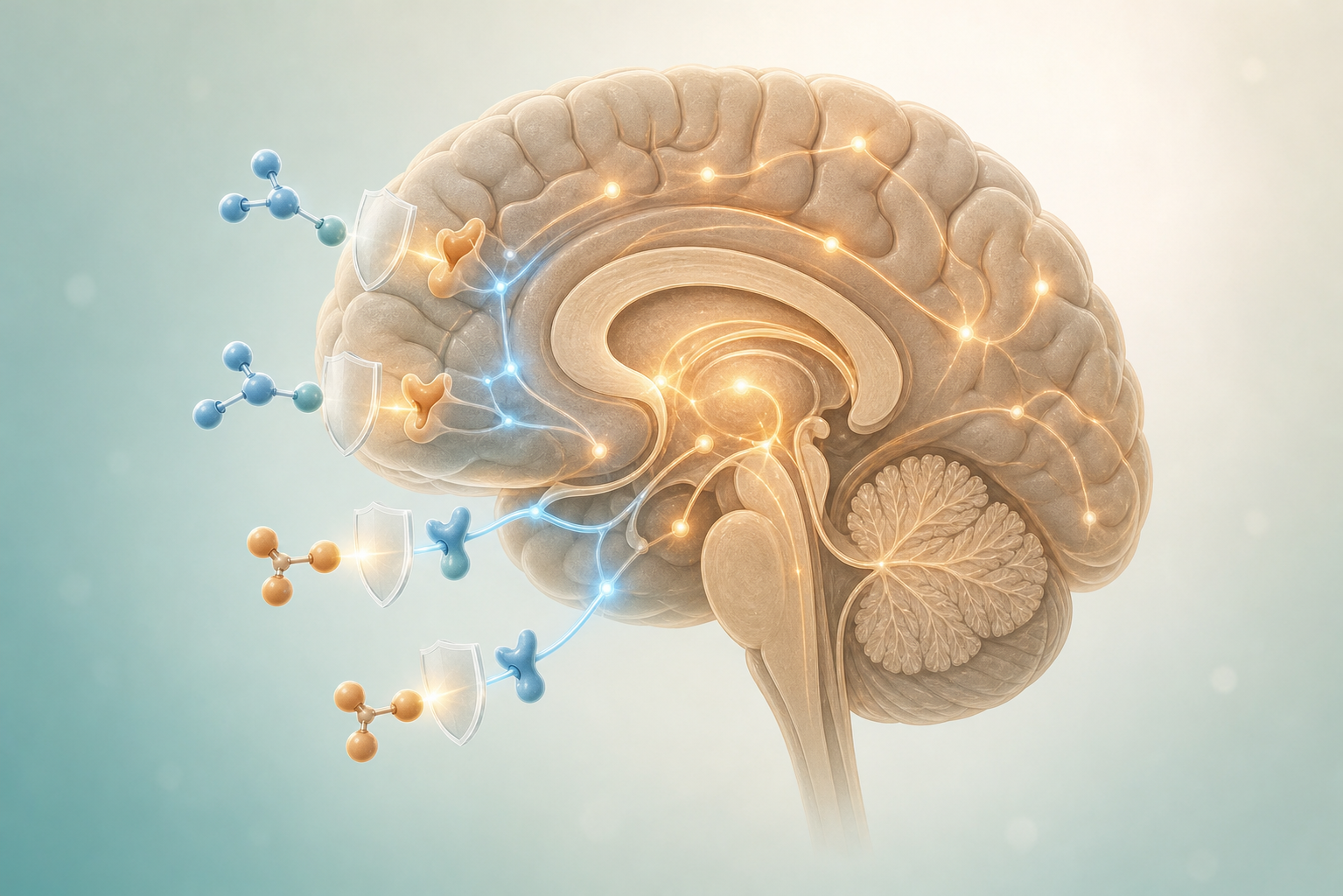
Here's where mood enters the picture. The same opioid receptors that carry alcohol's reward signal also help shape how you experience pleasure, connection, and emotional baseline. Endorphins contribute to ordinary feelings of well-being throughout the day. Block those receptors, and you're altering a system that touches more than cravings. That overlap is exactly why people asking "can naltrexone cause depression" are raising a reasonable question, and why the answer requires more than a yes or no.
The Link Between Opioid Receptors and Mood
Your brain's endogenous opioid system does far more than manage pain. Endorphins, enkephalins, and dynorphins all act on mu, delta, and kappa opioid receptors to shape how you process emotions, respond to social connection, and experience day-to-day satisfaction. When this system is functioning well, it contributes a quiet background hum of emotional regulation.
Naltrexone sits on those same receptors. Because it blocks them non-selectively, it doesn't distinguish between the endorphin surge from a glass of wine and the endorphin release you get from laughing with a friend or finishing a run. That broad blockade could dampen the brain's natural reward circuitry enough to flatten mood in some people, particularly early in treatment when the body hasn't adjusted.
This doesn't mean naltrexone reliably causes depression. It means the biological machinery is shared, and individual responses vary depending on baseline mood, neurochemistry, and what else is going on.
Can Naltrexone Cause Depression?
The short answer: clinical trial data doesn't support the idea that naltrexone systematically causes depression. A study by Dean et al. in the Journal of Psychiatry & Neuroscience found that naltrexone treatment for opioid dependence did not lead to increased depression or anxiety compared to placebo. Across controlled trials, mood outcomes for people taking naltrexone 50 mg have looked similar to those on sugar pills.
That said, the FDA prescribing label for ReVia does list dysphoria as a potential adverse reaction. Some people report feeling emotionally flat or low, especially early on, as part of the broader naltrexone side effects picture. For details on standard dosing, see this naltrexone dosing guide.
The tricky part is untangling what's actually causing the mood change. Someone starting naltrexone is usually also changing their drinking, and alcohol withdrawal itself can trigger anxiety, irritability, and depressive symptoms that have nothing to do with the medication.
So can naltrexone cause depression? For most people, no. But if you're already vulnerable to mood disruption, or if you're simultaneously adjusting to less alcohol, the first few weeks can feel rough in ways that are hard to pin on any single factor. That's worth knowing before you start.
Low Dose Naltrexone (LDN) and Depression: A Different Conversation
Low dose naltrexone (LDN) refers to doses of roughly 1 to 4.5 mg, a fraction of the standard 50 mg tablet prescribed for alcohol use disorder. At these tiny doses, the proposed mechanism is different and what naltrexone feels like can shift accordingly: instead of fully blocking opioid receptors around the clock, LDN briefly and partially blocks them, which may trigger a rebound increase in endorphin production and reduce neuroinflammation. That anti-inflammatory angle is why some clinicians have tried it off-label for depression and anxiety.
The evidence, though, remains thin. A randomized trial of 37 patients with MDD published in Frontiers in Pharmacology found no difference in depression scores between adjunctive LDN and placebo after 12 weeks.
LDN is not FDA-approved for depression, and Onir does not prescribe it. If you've seen Reddit threads describing LDN as a mood game-changer, keep in mind that you're reading self-selected anecdotes from a very small pool of users, not controlled data.
Naltrexone Side Effects in the First Week
The first few days on naltrexone 50 mg can feel like a mild hangover that showed up uninvited. Nausea is the most common complaint, followed by headache, fatigue, dizziness, and a noticeable dip in appetite. For most people, these fade within one to two weeks as the body adjusts.
Then there's the harder-to-name stuff. Some people describe feeling "off" or emotionally muted, like the volume on everyday enjoyment got turned down a notch. That flat feeling tracks with what we covered earlier about opioid receptor blockade touching your broader reward system. It can be unsettling, but it's typically temporary.
A practical tip: taking naltrexone with food helps with nausea, and clinicians commonly suggest starting on a half tablet (25 mg) for the first several days before moving to the full 50 mg, a pattern laid out in more detail in this naltrexone 90-day timeline. If side effects feel strong or stick around past the two-week mark, message your clinician instead of adjusting on your own.
Naltrexone Side Effects: Short-Term vs. Long-Term
Most side effects cluster in the first one to two weeks and then quiet down. Nausea, headache, and fatigue rarely persist beyond that window. If they do, it's worth flagging to your clinician because the pattern should be improving, not holding steady.
Timeframe | Common side effects | What to watch for |
|---|---|---|
Days 1-14 | Nausea, headache, fatigue, dizziness, reduced appetite, emotional flatness | Symptoms should be trending milder by day 7-10 |
Weeks 3-12 | Most resolve; mild appetite changes may linger | Persistent low mood or GI symptoms that aren't fading |
3+ months | Side effects rare at standard doses | Liver enzyme changes (see below); any new or worsening symptoms |
Naltrexone can reduce appetite early on, and some people lose a few pounds in the first month. The FDA prescribing label for ReVia lists decreased appetite and weight loss as reported side effects but does not list weight gain. Weight gain is not a typical naltrexone side effect, though individual responses to appetite changes vary.
On the liver front: the FDA label for ReVia carries a hepatotoxicity warning, but it's tied to doses well above 50 mg. At standard dosing, clinically meaningful liver injury is rare. Your clinician may still check liver enzymes periodically, especially if you have a history of liver issues, which is covered further in this guide to naltrexone and liver safety. Long-term controlled studies on naltrexone for alcohol use disorder have not found increased rates of clinical depression, which is reassuring if you're wondering how long to take naltrexone.
Alcohol, Depression, and the Comorbidity Factor
Alcohol use disorder and depressive disorders co-occur at high rates, and the relationship runs both directions. Heavy drinking can deepen depression, and depression can push someone toward heavier drinking. By the time a person starts naltrexone, there's a good chance mood symptoms were already in the mix, whether recognized or not.
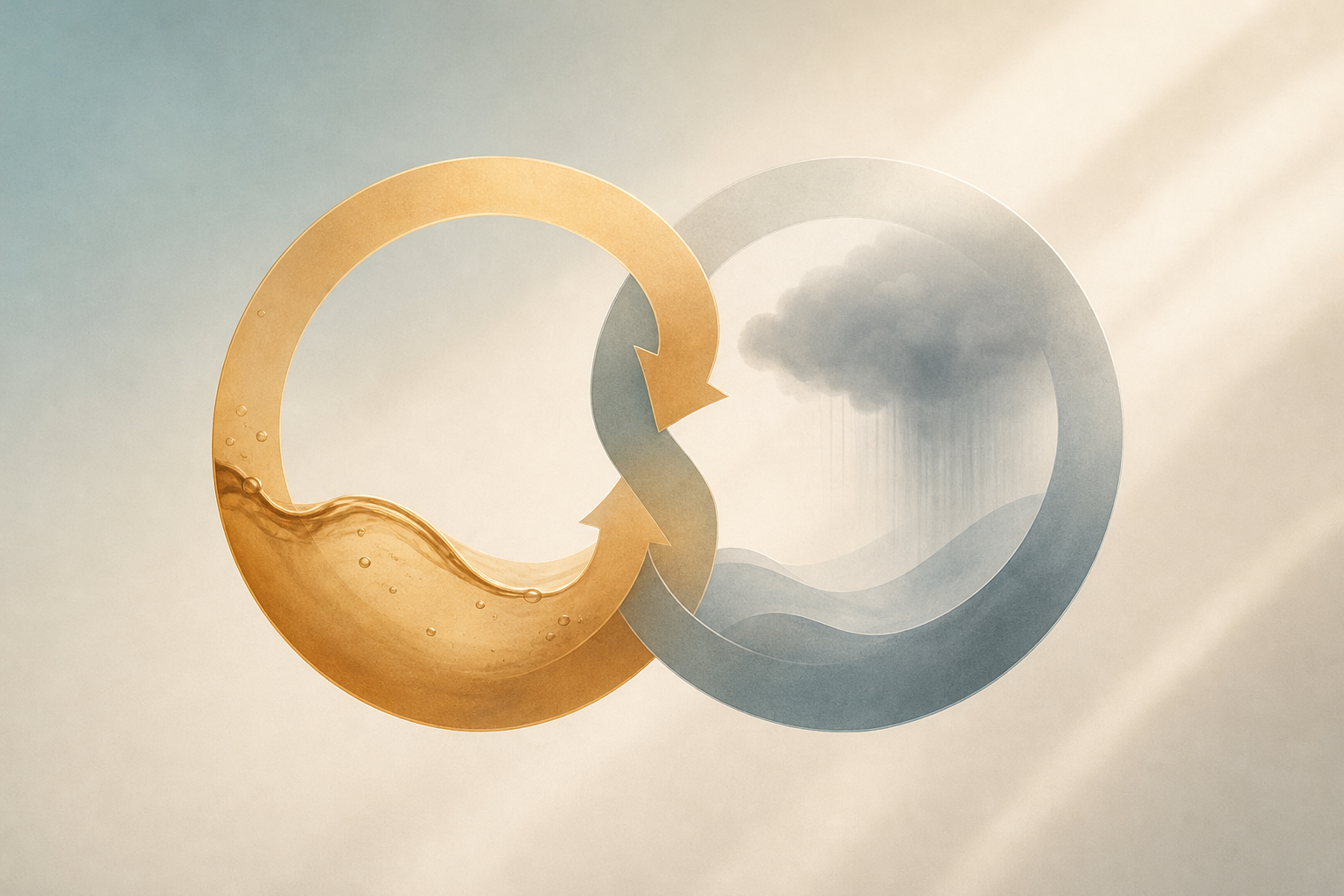
This matters because it reshapes the whole "naltrexone and depression" question. If you feel low a few weeks into treatment, the instinct is to blame the new pill. But the likelier culprit might be that you've removed alcohol's numbing effect and are now sitting with feelings that were already there.
The flip side is encouraging. When people drink less, often because naltrexone helps curb the urge to drink, depressive symptoms often improve on their own. Learn more about how naltrexone helps you drink less. So mood gains during naltrexone treatment may have less to do with the medication's direct effect on brain chemistry and more to do with what happens when alcohol stops running interference.
Taking Naltrexone With Antidepressants
If you're wondering whether you can take naltrexone with Zoloft or another SSRI, the pharmacological answer is straightforward. According to Drugs.com, no drug interactions were found between naltrexone and sertraline. The two are sometimes prescribed together for people dealing with both alcohol use disorder and depression at the same time.
That said, individual responses vary, and your clinician needs the full picture of what you're taking to catch subtle issues a database check might miss. Always disclose every medication, supplement, and substance during your intake.
What to Avoid When Taking Naltrexone
Opioids are the most serious conflict. Never take naltrexone if you've used opioids in the past 7 to 10 days, including heroin, fentanyl, oxycodone, and codeine. Doing so triggers precipitated withdrawal, which is immediate and severe.
- Opioid-containing cough medicines count. Check labels for codeine or hydrocodone before taking anything for a cold, part of the broader list of naltrexone drug interactions to keep in mind.
- Kratom acts on the same opioid receptors naltrexone blocks. Combining them is not recommended, and you should tell your clinician if you use kratom before starting treatment.
- THC and CBD: ask your clinician. Neither is an automatic disqualifier, but your prescriber needs to know.
- Vitamins and everyday supplements are generally fine, though you should still send your clinician the full list so nothing slips through.
Naltrexone won't make you sick if you drink, but it will blunt the rewarding feeling alcohol normally produces, as explained in this guide on drinking on naltrexone. Some people expect it to work like Antabuse (disulfiram), one of several alternatives to naltrexone, which causes nausea and flushing with any alcohol. Naltrexone does something subtler, and knowing that going in helps set realistic expectations.
When to Talk to Your Doctor About Mood Changes
Some mood dips in the first couple of weeks are expected. What's not expected is a low that settles in and stays. If sadness persists for more than two weeks, if you lose interest in things that used to matter, if your sleep or appetite changes in ways that feel wrong, or if you have any thoughts of self-harm, reach out to your prescriber right away.
Don't stop taking naltrexone on your own as a way to test whether the medication is the problem. Whether and when to stop is a clinical decision your prescriber should make with you, based on your full picture. Abruptly dropping it won't necessarily clarify what's going on, and it may complicate your progress with alcohol.
If you're having thoughts of harming yourself or feel you're in crisis, call or text 988 (Suicide & Crisis Lifeline) or call 911. For help finding treatment, the SAMHSA National Helpline (1-800-662-4357) is free, confidential, and available 24/7.
How Onir Supports Members Through Side Effects and Mood Concerns
At Onir, we prescribe FDA-approved generic naltrexone hydrochloride 50 mg tablets for people looking to change their relationship with alcohol. Before anything ships, a licensed U.S. clinician reviews your intake, covering health history, current medications, and symptoms, then reaches out through secure, asynchronous text-based chat to confirm the prescription and answer questions. That same channel stays open throughout your 90-day program for anything that comes up, including mood concerns or side effects.
Most members notice a shift within 10 to 14 days. If nausea hits early, clinicians commonly suggest starting with a half tablet (25 mg) before moving to the full dose. You can message the care team at any time, including between scheduled check-ins.
Getting started takes about 15 to 20 minutes online. The clinician review is $19.99, refunded in full if you're not approved. Medication and clinician care are included at $99 a month, billed as $297 every 90 days, and the service is available in all 50 states.
Final Thoughts on Naltrexone and Its Effects on Mood
Side effects are real but usually short-lived, and depression from naltrexone alone is uncommon in the data. The trickier part is separating the pill from the bigger picture of drinking less and feeling more. Keep your clinician in the loop, especially in those first few weeks.
FAQ
Can naltrexone cause depression, or is it the alcohol change that affects mood?
For most people, naltrexone does not cause depression. Controlled trials show mood outcomes on naltrexone 50 mg tablets look similar to placebo. However, naltrexone blocks opioid receptors that also regulate everyday well-being, so some people feel emotionally flat in the first week or two. At the same time, reducing alcohol removes a numbing effect, which can surface feelings that were already present — making it hard to pin a mood dip on any single cause.
Can you take naltrexone with Zoloft or other antidepressants?
Yes. No drug interactions have been found between naltrexone and sertraline (Zoloft), and the combination is commonly prescribed for people managing both alcohol use disorder and depression. That said, always give your clinician the full list of medications and supplements you're taking so they can catch anything a database check might miss.
How long do naltrexone side effects last in the first week?
Nausea, headache, fatigue, and emotional flatness typically peak in the first few days and trend milder by day 7 to 10. Most naltrexone side effects resolve within one to two weeks. Taking the tablet with food and starting at 25 mg before moving to the full 50 mg can reduce early discomfort — and if symptoms persist past two weeks, message your clinician rather than adjusting the dose yourself.
Oar Health vs Ria Health vs Onir for cutting back on alcohol with naltrexone?
All three are telehealth programs that can prescribe naltrexone for alcohol use disorder, but the experience differs. Onir includes FDA-approved generic naltrexone hydrochloride 50 mg tablets and clinician care at $99 a month, billed as $297 every 90 days, with no insurance billing, ships to all 50 states, and keeps everything asynchronous and private, with no video calls and no insurance paper trail. If discretion and simplicity matter to you, it's worth comparing the onboarding friction, pricing structure, and how each program handles ongoing clinical support before choosing.
What should I avoid when taking naltrexone?
The biggest rule: never take naltrexone if you've used any opioid in the past 7 to 10 days, including prescription painkillers, heroin, fentanyl, or opioid-containing cough medicines with codeine or hydrocodone. Kratom also acts on opioid receptors and should be disclosed to your clinician before starting. THC and CBD aren't automatic disqualifiers, but your prescriber needs to know about them. Standard vitamins and supplements are generally fine — just share the full list during your intake.
Does naltrexone cause weight gain as a side effect?
Naltrexone has not been reliably linked to weight gain in clinical data. In fact, the medication can reduce appetite early on, and some people lose a few pounds in the first month. If you notice unexpected weight changes that persist, it's worth bringing them up with your clinician.
Can I just stop taking low dose naltrexone or naltrexone 50 mg on my own if I feel depressed?
No — whether and when to stop is a clinical decision your prescriber should make with you. Abruptly dropping naltrexone won't necessarily clarify whether the medication is causing your mood dip, and it may interrupt your progress with alcohol. If sadness persists for more than two weeks, reach out to your prescriber right away. If you have thoughts of self-harm, call or text 988 now.
What does naltrexone feel like day to day — does it make you feel weird?
Many people feel mild nausea, fatigue, or a subtle emotional flatness in the first few days, which is why some Reddit users describe naltrexone as making them feel "off." That muted feeling tracks with the medication's blockade of opioid receptors that also handle everyday reward signals. For most people, the sensation fades within one to two weeks as the body adjusts.
Best way to handle naltrexone nausea and side effects in the first week without quitting?
Take the tablet with food, and ask your clinician about starting at a half dose (25 mg) for the first several days before moving to the full 50 mg. Most nausea and headache peak in days one through three, trend milder by day seven to ten, and resolve within two weeks. If symptoms stay strong past that window, message your care team — adjusting on your own can backfire.
Should I worry about long-term side effects of naltrexone on my liver?
At the standard 50 mg dose, clinically meaningful liver injury is rare. The FDA label's hepatotoxicity warning is tied to doses well above 50 mg. Your clinician may still check liver enzymes periodically, especially if you have a history of liver issues, but long-term controlled studies at standard dosing have not shown increased liver risk.
Can low dose naltrexone actually help with depression and anxiety, or is that just a Reddit thing?
The controlled evidence is thin. A randomized trial of 37 patients found that adjunctive low dose naltrexone did not outperform placebo for depression after 12 weeks. LDN is not FDA-approved for depression, and the positive stories you see on Reddit reflect self-selected anecdotes from a small pool of users — not the kind of data you'd want to base a treatment decision on.
What are the symptoms of taking too much low dose naltrexone?
Symptoms of too much LDN can include heightened nausea, headache, insomnia, vivid dreams, and increased anxiety. Because LDN operates at doses far below the standard 50 mg, "too much" is relative, but if you notice these effects intensifying rather than fading, your dose may need adjusting. Onir prescribes FDA-approved generic naltrexone hydrochloride 50 mg tablets for alcohol use disorder and does not offer compounded LDN.
Is it safe to take naltrexone while on Zepbound or other GLP-1 medications?
There is no well-known pharmacological interaction between naltrexone and GLP-1 agonists like Zepbound (tirzepatide), but both can reduce appetite and cause nausea, so the combination may amplify those effects early on. Always disclose every medication you're taking during your intake so your clinician can watch for overlapping side effects.
Naltrexone 50 mg vs low dose naltrexone for depression — which one is supported by data?
Neither dose is FDA-approved for treating depression. At 50 mg, controlled trials show naltrexone doesn't worsen depression compared to placebo, but it's prescribed for alcohol use disorder, not mood disorders. At low doses (1–4.5 mg), early trials for depression haven't beaten placebo. If depression is your primary concern, talk to a clinician about evidence-based antidepressants rather than relying on either form of naltrexone for mood.
How do I know if my low mood on naltrexone is a side effect or just how I feel without alcohol?
It's one of the harder things to untangle. Naltrexone's receptor blockade can flatten mood slightly in the first couple of weeks, but removing alcohol also lifts a numbing effect, which can surface emotions that were already there. A useful signal: if the low mood appeared in the first week and is gradually easing, it's more likely an adjustment period. If it settles in and stays past two weeks, loop in your clinician to sort out next steps.
The science behind Onir has been covered by
82%
drinking less within two weeks
30+ yrs
FDA-approved & clinically studied
1,200+
clinical studies behind it
$99
per month, shipped discreetly
In their words
“I started my medication about 8 days ago. I feel amazing. Don't really have any urges to drink alcohol.”
Keep reading
Resources
How Long Does Naltrexone Take to Work? Weekly Breakdown
A week-by-week breakdown of the naltrexone timeline, covering side effects, cravings, and results through October 2026.
ReadResources
Naltrexone Dosing for Alcohol: Key Facts
Get clear guidance on naltrexone dosing for alcohol, common side effects, and safety notes. Updated October 2026.
ReadResources
How Much Does Onir Cost, and What Can It Save You?
Onir pricing explained: a $19.99 clinical review (refunded if not approved), $99/month billed every three months, and how drinking less offsets the cost.
Read