Onir Resources
Gabapentin for Alcohol: Naltrexone or Gabapentin First?
See how gabapentin and naltrexone stack up for alcohol withdrawal and cravings, plus dosing and safety notes for November 2026.

By Justine Fowey, Onir Health Editorial Team
· Updated
I'll be frank: gabapentin for alcohol gets talked about like a cure-all, and it isn't one. It can quiet the anxiety and restless nights that make your first week sober so miserable. It's less proven for the pull to drink, which is where naltrexone usually shines. If you're weighing the two, the answer comes down to what's actually keeping you reaching for a glass.
TLDR:
- Gabapentin eases mild to moderate alcohol withdrawal but isn't proven to prevent seizures.
- At 1,800 mg daily, abstinence hit 17% vs 4.1% on placebo in a 12-week trial.
- Naltrexone is the better-studied pick for cravings; gabapentin fits withdrawal-driven drinking.
- Mixing gabapentin with alcohol, opioids, or Xanax can slow your breathing, so stay supervised.
- Onir prescribes generic naltrexone 50 mg for $99 a month, with no gabapentin in the mix.
What Gabapentin Is and How It Works on the Brain
Gabapentin (Neurontin, Gralise, Horizant) is an anticonvulsant approved for seizures and nerve pain. Prescribing it for drinking is off label, since gabapentin is not FDA approved for AUD.
Alcohol boosts GABA, the brain's brake pedal, and dampens glutamate, the gas. After long stretches of heavy drinking, your brain eases off the brake and presses the gas. When drinking stops, you're left wired: shaky, anxious, sleepless, and more prone to relapse.
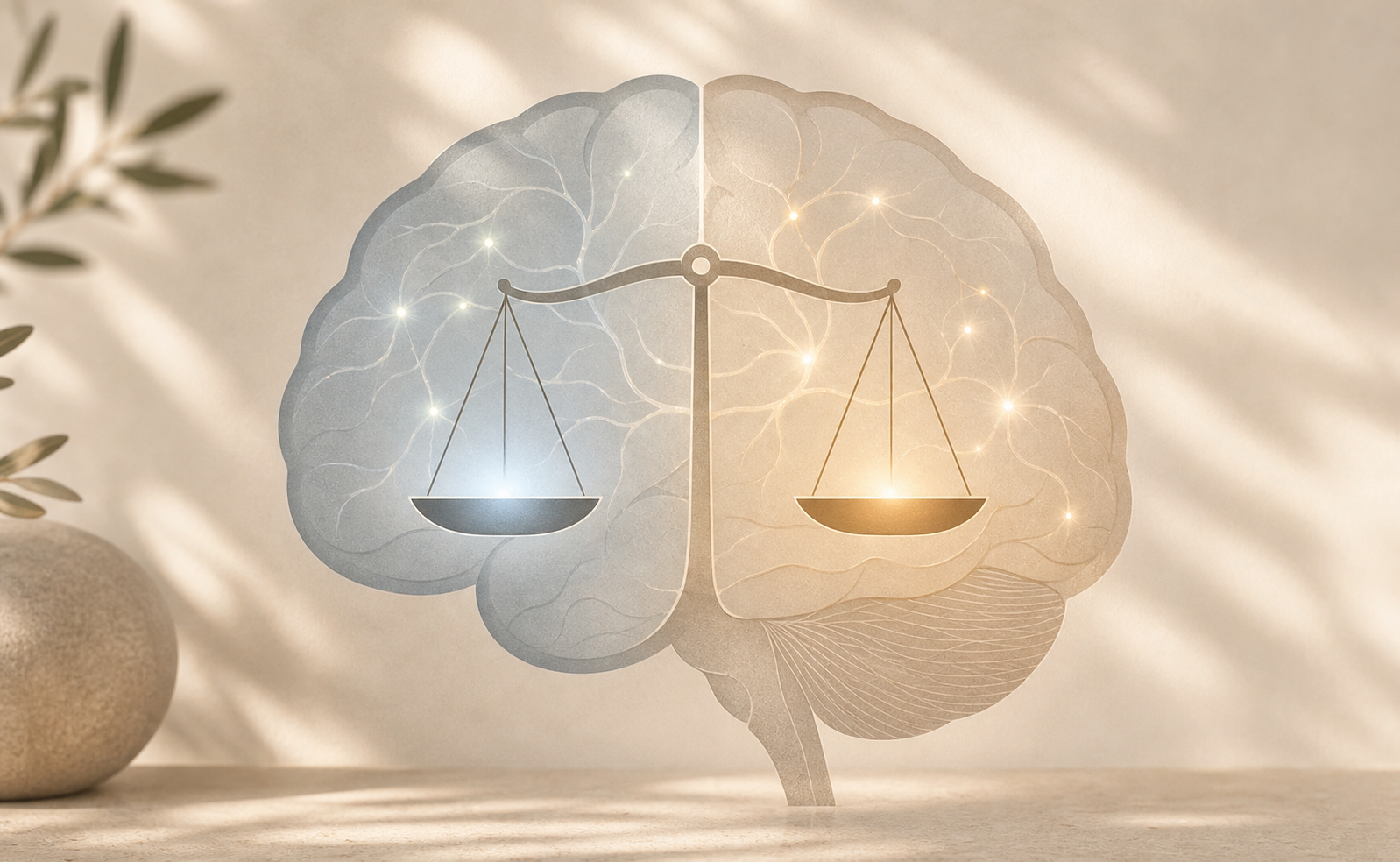
Gabapentin binds to calcium channels on nerve cells, calming that overexcited signaling and roughly evening out the imbalance.
Is Gabapentin Used for Alcohol Withdrawal?
Yes, mostly for mild to moderate cases. Some clinicians prescribe it in outpatient care, where studies suggest it may beat benzodiazepines for milder withdrawal. Inpatient trials show no clear edge.
For milder withdrawal, it may ease:
- Anxiety, irritability, and restless, sleepless nights
- Tremor, better known as the shakes
It isn't proven to prevent seizures. If you drink heavily daily, have had a withdrawal seizure, or risk delirium tremens, you need medical detox. Unsure? The SAMHSA Helpline (1-800-662-4357) is free, confidential, and 24/7.
How Gabapentin Withdrawal Protocols Are Typically Structured
Outpatient gabapentin regimens for withdrawal are usually front-loaded. Clinicians often build doses around 300 mg capsules, start higher during the roughest first days, then taper as symptoms fade. Kidney function shapes the numbers, since gabapentin leaves through the kidneys.
Course length depends on the goal:
- Withdrawal courses are short, from a few days to about two weeks.
- Relapse prevention runs longer, sometimes months.
Both usually end with a taper, since stopping suddenly can cause its own withdrawal. Your prescriber sets the dose, so this is background, not a recipe.
Gabapentin With Librium, Xanax, or Clonidine
Some clinicians pair gabapentin with a benzodiazepine like Librium for severe withdrawal. The benzo covers seizure risk, and gabapentin may lower how much you need. Clonidine can calm a racing heart and sweating.
Stacking sedatives carries risk. In December 2019, the FDA required new breathing-problem warnings for gabapentinoids, citing 49 respiratory depression cases from 2012 to 2017, 12 fatal. That warning is still the FDA's standing guidance and remains on gabapentin labels.
Risk peaks with opioids or anti-anxiety drugs like Xanax, after 65, or with lung disease. Alcohol adds to it, so keep these under medical supervision.
Gabapentin for Alcohol Cravings and Relapse Prevention
Two trials anchor the evidence. In Mason et al.'s 2014 randomized clinical trial, 150 adults took placebo, 900 mg, or 1,800 mg daily for 12 weeks, and abstinence rose with dose: 4.1% on placebo versus 17.0% at 1,800 mg. Anton et al.'s 2020 trial of 96 adults over 16 weeks, using up to 1,200 mg, found the benefit clustered in high-withdrawal drinkers, with 18% abstinent versus 4%. APA guidelines suggest gabapentin for moderate to severe AUD if you prefer it, can't tolerate naltrexone or acamprosate, or those haven't worked.
Gabapentin Dosage for Alcohol Use Disorder
Relapse prevention trials used roughly 900 to 1,800 mg a day, with Mason's study seeing better results at the higher end. That's research context; Reddit doses don't account for your body.
- Split doses. Gabapentin clears quickly, so the daily total is usually divided into three doses.
- Kidney adjustments. Your kidneys remove it, so weaker function means lower doses.
- Slow titration. Building up over several days cuts down on dizziness and drowsiness.
Your prescriber sets the dose after reviewing your health and medications.
Side Effects and Misuse Potential
Most side effects are mild: dizziness, drowsiness, fatigue, unsteadiness, and swollen hands or feet. In Anton's trial, dizziness was reported more often with gabapentin than with placebo.
Misuse happens too, and some states classify gabapentin as Schedule V.
Using leftover pills for a hangover, or drinking to ease gabapentin withdrawal, mixes two sedatives that slow breathing. Stopping abruptly can cause anxiety, sweating, and insomnia, so a clinician can plan a safer taper.
What Reddit and Forum Users Say About Gabapentin for Alcohol
Clinical trials set the numbers, but many people want real-world accounts too, so they end up on Reddit and recovery forums hunting for gabapentin doses and craving stories. Fair enough, since trials rarely tell you what a Tuesday night feels like.
Posts split two ways. Some describe calmer sleep, less anxiety, and an easier first week off alcohol. Others report heavy sedation, fogginess, or no change.
Doses vary wildly, many skip supervision, and some mix it with alcohol.
Treat these posts as texture, never instructions. A stranger's dose ignores your kidneys, medications, and drinking pattern.
Gabapentin vs Naltrexone for Alcohol
Naltrexone, FDA-approved for alcohol use disorder for over 30 years, blocks the opioid receptors behind drinking's reward, so cravings and heavy drinking tend to drop. Gabapentin calms the overexcited signaling behind withdrawal, poor sleep, and anxiety, with a smaller, more mixed evidence base.
Factor | Naltrexone | Gabapentin |
|---|---|---|
Best for | Cravings, heavy drinking | Withdrawal symptoms |
Avoid if | Using opioids, liver failure | On sedatives, lung disease |
Side effects | Nausea, headache | Dizziness, drowsiness |
Misuse risk | Non-addictive | Possible |
Gabapentin may fit if withdrawal drives your drinking or naltrexone is off the table. For cravings, naltrexone is the better-studied start, and knowing what to expect from drinking on naltrexone can help you prepare.
Gabapentin and Naltrexone Together
Anton et al.'s 2011 trial in the American Journal of Psychiatry tested the pairing directly. Its 150 participants took naltrexone 50 mg alone, naltrexone plus gabapentin (up to 1,200 mg daily for 6 weeks), or placebo.
During those weeks, the combination outperformed naltrexone alone. People went longer before heavy drinking, had fewer heavy drinking days, and drank less per drinking day, a pattern similar to the naltrexone timeline seen in other studies. Once gabapentin stopped, the gap faded.
If early sobriety wrecks your sleep, ask your prescriber about adding gabapentin.
Prescription Options to Drink Less Without Rehab
These medications to cut back on drinking work with a regular prescription:
- Naltrexone, which blunts the reward you get from drinking
- Acamprosate, which helps you stay alcohol free after quitting
- Disulfiram, or Antabuse, which makes drinking physically unpleasant
- Gabapentin or topiramate, both prescribed off label
Your primary care doctor can prescribe these through insurance, or a self-pay telehealth service can skip the claim, though it's worth comparing the naltrexone cost without insurance either way. Neither route requires rehab or therapy.
If you drink heavily every day, taper with medical guidance before stopping. Free SMART Recovery and Moderation Management meetings add support.
How Onir Uses Naltrexone to Help You Drink Less
If naltrexone sounds like the better fit after that comparison, Onir is one of several AUD telehealth options that prescribes it. You get FDA-approved generic naltrexone hydrochloride 50 mg tablets. That's the whole prescription, with no gabapentin and nothing added.
Here's how it works:
- Take the free 60-second quiz, then book the $19.99 clinician review. It's refunded in full if you're not approved.
- A licensed U.S. clinician reviews your intake through secure text-based chat, usually within 24 hours.
- If approved, you get a 90-day supply in plain, unmarked packaging, available in all 50 states.
- You pay $99 a month, billed as $297 every 90 days, with medication and clinician care included. HSA, FSA, and Klarna all work, and since it's self-pay, there's no insurance claim.
- The members-only Onir app for iPhone and Android gives you daily check-ins, progress tracking, milestones, and messaging with your care team.
Most members notice the pull of alcohol weakening within 10 to 14 days, a timeline echoed in many naltrexone user reviews. That kind of help is still rare: according to NIAAA, about 28 million Americans had AUD in 2024, yet only 2.5% received medication for it.
Onir isn't a detox program. If you need supervised withdrawal, like the benzodiazepine scenarios above, see a physician first. Naltrexone also isn't safe if you take opioids.
If you want to drink less or stop while keeping your normal routine, the quiz is a quiet place to start.
Final Thoughts on Gabapentin for Drinking Less
You have more options than rehab or white knuckling it. Gabapentin may help if withdrawal drives your drinking, and naltrexone tends to help more with cravings. Have one straightforward conversation with a prescriber this week and go from there.
FAQ
Can naltrexone help you cut back on weeknight drinking without quitting cold turkey?
Yes. Naltrexone blunts the reward you get from drinking, so the second and third glass on a Tuesday tend to lose their pull, and you don't have to stop completely to start. Onir clinicians build your plan around your goal, whether that's drinking less on weeknights or taking a longer break, and most members notice the pull weakening within 10 to 14 days. If you drink heavily every day, talk to a physician before cutting back sharply, since alcohol withdrawal can be dangerous.
What's the most affordable way to get naltrexone or gabapentin for alcohol use disorder without rehab?
If you have good insurance, your primary care doctor can usually prescribe generic naltrexone or off-label gabapentin for a low copay, with no rehab or therapy required. If you'd prefer to skip the insurance claim, Onir costs $99 a month, billed as $297 every 90 days, with medication and clinician care included. The $19.99 clinician review is refunded in full if you're not approved, and HSA, FSA, and Klarna all work at checkout.
Onir vs Oar Health vs Ria Health: which telehealth option fits if you don't want to use insurance?
Onir, Oar Health, and Ria Health all prescribe medication for alcohol use disorder online. Ria has an app; Oar Health has no mobile app. Onir is self-pay naltrexone with one plan and a members-only app included with your prescription, with no breathalyzer readings required. It feels more like a lifestyle service than a clinic. Onir doesn't prescribe gabapentin, so if gabapentin for alcohol withdrawal symptoms is what you need, you'll want a prescriber who offers it.
Can you take gabapentin while you're on naltrexone from Onir?
Possibly, but the gabapentin would need to come from your own doctor, since Onir prescribes only naltrexone 50 mg. Research on gabapentin and naltrexone for alcohol use disorder, including Anton et al.'s 2011 trial, found the pairing outperformed naltrexone alone during the six weeks gabapentin was taken. Tell your Onir clinician about every medication you take so they can check for interactions with your plan.
Gabapentin vs Librium for alcohol withdrawal: which one makes more sense for you?
It depends on how severe your withdrawal is. Gabapentin may suit mild to moderate withdrawal in outpatient care, while a benzodiazepine like Librium covers seizure risk in severe cases. Some clinicians pair the two so you need less of the benzo. If you drink heavily every day or have had a withdrawal seizure, you need medical detox, not a home plan.
Can gabapentin 300 mg prevent alcohol withdrawal seizures?
No. Gabapentin is an anticonvulsant, but it isn't proven to prevent alcohol withdrawal seizures. Clinicians often build outpatient doses around 300 mg capsules to ease anxiety, sleepless nights, and the shakes, but seizure risk calls for supervised detox, often with a benzodiazepine.
What's the best medication if cravings, not withdrawal, are what keep you drinking?
Naltrexone is usually the better-studied place to start for cravings and heavy drinking, since it blocks the reward your brain gets from alcohol. Gabapentin's evidence for cravings is smaller and more mixed, and its benefit tends to show up in people whose drinking is driven by withdrawal symptoms.
How long should you take gabapentin for alcohol withdrawal?
Withdrawal courses are usually short, from a few days to about two weeks, while gabapentin for relapse prevention can run for months. Either way, most courses end with a taper, since stopping suddenly can bring on anxiety, sweating, and insomnia. Your prescriber sets the length based on your goal and health.
Is it safe to take gabapentin and Xanax together for alcohol withdrawal?
Only with close medical supervision. In December 2019 the FDA required breathing-problem warnings for gabapentinoids, and the risk is highest when they're combined with anti-anxiety drugs like Xanax, opioids, or alcohol, or if you're over 65 or have lung disease.
Can I take leftover gabapentin for an alcohol hangover?
It's a risky shortcut. Gabapentin and alcohol are both sedatives that can slow your breathing, and the same goes for drinking to ease gabapentin withdrawal, a pattern that pops up on Reddit more than it should. If hangovers are a regular thing, that's worth raising with a prescriber who can look at the drinking itself.
What did the gabapentin treatment for alcohol dependence randomized clinical trial find?
In Mason et al.'s 2014 trial, 150 adults took placebo, 900 mg, or 1,800 mg of gabapentin daily for 12 weeks, and abstinence rose with dose: 4.1% on placebo versus 17.0% at 1,800 mg. It's one of the main studies behind off-label gabapentin use for alcohol use disorder.
What does gabapentin for alcohol use disorder targeting a high withdrawal subtype mean?
It refers to Anton et al.'s 2020 trial, which used up to 1,200 mg daily and found the benefit clustered in drinkers with high withdrawal symptoms, with 18% abstinent versus 4% on placebo. In plain terms, if you drink mostly to quiet shaky, anxious, sleepless feelings, gabapentin may be a better match for you than for someone driven mainly by cravings.
Should you trust gabapentin dose advice from Reddit or recovery forums?
Treat forum posts as texture, never instructions. Doses on Reddit vary wildly, many people skip supervision, and some mix gabapentin with alcohol. A stranger's dose ignores your kidney function, your other medications, and your drinking pattern, which are exactly what a prescriber checks.
Can Onir help if you need a medically supervised alcohol detox?
No, Onir isn't a detox program, so if you need supervised withdrawal, see a physician first or call the free SAMHSA Helpline at 1-800-662-4357. Onir prescribes generic naltrexone 50 mg to help you drink less or stop once detox isn't the concern, and the free 60-second quiz is an easy way to see if it fits.
The science behind Onir has been covered by
82%
drinking less within two weeks
30+ yrs
FDA-approved & clinically studied
1,200+
clinical studies behind it
$99
per month, shipped discreetly
In their words
“I started my medication about 8 days ago. I feel amazing. Don't really have any urges to drink alcohol.”
Keep reading
Resources
What to Try When Naltrexone Fails: November 2026 Guide
Explore proven alternatives to naltrexone for alcohol use disorder, including dosing, side effects, and cost comparisons for November 2026.
ReadResources
Medications to Quit or Cut Back on Alcohol This November 2026
Find out which FDA-approved meds help you drink less or quit, this November 2026, through Onir's online clinician review and delivery.
ReadResources
Antabuse or Naltrexone for Cutting Back on Drinking?
Comparing Antabuse and naltrexone for alcohol use disorder? Learn the key differences in mechanism, cost, and safety for October 2026.
Read