Onir Resources
Dry January Tips That Work
Practical Dry January tips for November 2026, including a week-by-week guide to benefits and ways to handle tough moments.

By Justine Fowey, Onir Health Editorial Team
· Updated
Saying "I'm not drinking this month" sounds simple enough until it's 8 p.m. on a Friday and there's a bottle of wine on the counter. Most dry January tips you'll find online are too vague to help in that moment. These ones are built for it.
TLDR:
- Expect better sleep by week one, visible weight changes by week three, and liver recovery by month's end
- Cutting two nightly glasses of wine saves 12,000+ calories over 31 days, but only if you don't backfill with snacks
- Clear alcohol from your home before January 1 and track daily progress to build streak momentum
- 46% of participants return to old habits afterward, so set specific weekly rules for February and beyond
- Onir prescribes naltrexone online at $99/month for people who want medication support after the challenge ends
What Dry January Is (and Why It Has Grown So Much)
Dry January is straightforward: you stop drinking alcohol for the entire month of January. No wine with dinner, no weekend beers, no nightcaps. The challenge was created in 2013 by Alcohol Change UK, a British nonprofit, and it has since spread well beyond the UK.
What started as a niche New Year's experiment now looks more like a cultural shift. According to Statista, 56 percent of U.S. respondents to a recent survey indicated they planned to take part in 2026. Numerator found that alcohol's share of total beverage sales fell from 46% in January 2022 to 41% in January 2025, a consistent decline that points to something more lasting than a post-holiday detox fad.
The rules are simple. Pick January 1, put the bottle down, and keep it down until February. No entry fee, no required gear, no secret handshake.
Benefits of Dry January Week by Week
Knowing what to expect each week makes the challenge feel less like white-knuckling and more like watching a progress bar fill. Here's how the month typically unfolds, according to Alcohol Change UK.
Week | Key Changes | What You'll Notice |
|---|---|---|
Week 1 | Sleep quality, energy | Sleep may be restless at first but improves quickly; more refreshed mornings and better concentration by day five or six |
Week 2 | Cognition, hydration, digestion | Clearer thinking, steadier energy, reduced acid reflux, and improved hydration; gym performance often picks up |
Week 3 | Weight, memory | Visible weight changes as skipped drink calories add up; short-term memory sharpens noticeably |
Week 4 | Liver recovery, mood | Liver healing, more stable mood, and cumulative sleep and hydration gains leave most people feeling measurably different |

Week 1
Sleep can feel restless at first, but the quality improves quickly. Most people wake up feeling more refreshed, with better energy and concentration by day five or six.
Week 2
The improvements from week one deepen. The body changes that started around day 4 keep compounding, and many people notice their skin looks less puffy and their appetite starts to settle, two changes that rarely show up until the body has had a full week without processing alcohol.
Week 3
Weight changes tend to become visible. A large glass of wine or a pint of beer can carry 200-plus calories, so two weeks of skipping those add up. Short-term memory may sharpen noticeably around this point as well.
Week 4
Your liver is the big winner by month's end. Mood tends to be more stable, and the cumulative sleep and hydration gains leave most people feeling measurably different from where they started on January 1.
Dry January and Weight Loss: What to Realistically Expect
Cutting alcohol removes a real chunk of hidden calories. If you typically have two glasses of wine most evenings, that's roughly 400 calories saved by cutting alcohol a day you're no longer consuming, which over 31 days adds up to more than 12,000 calories. On paper, that could translate to several pounds lost, though in practice it rarely converts that cleanly, as the next paragraph explains.
But the reality is messier. Some people swap their evening drink for ice cream, sugary mocktails, or extra snacking, and the calorie savings evaporate. Others find they eat bigger dinners once the appetite-suppressing effect of alcohol disappears. So while plenty of people report looser waistbands by mid-January, others step on the scale February 1 and wonder what happened.
If you want weight loss to actually show up, pay attention to what replaces the drink in your hand and on your plate.
The realistic expectation: alcohol-free months create favorable conditions for losing weight, but they don't guarantee it. Your overall diet, activity level, and whether you backfill those liquid calories with solid ones all matter. Treat the scale as one data point among many, not the sole scoreboard.
Tips for a Successful Dry January
These tips pull from guidance published by the NIAAA, and each one is something you can act on today.
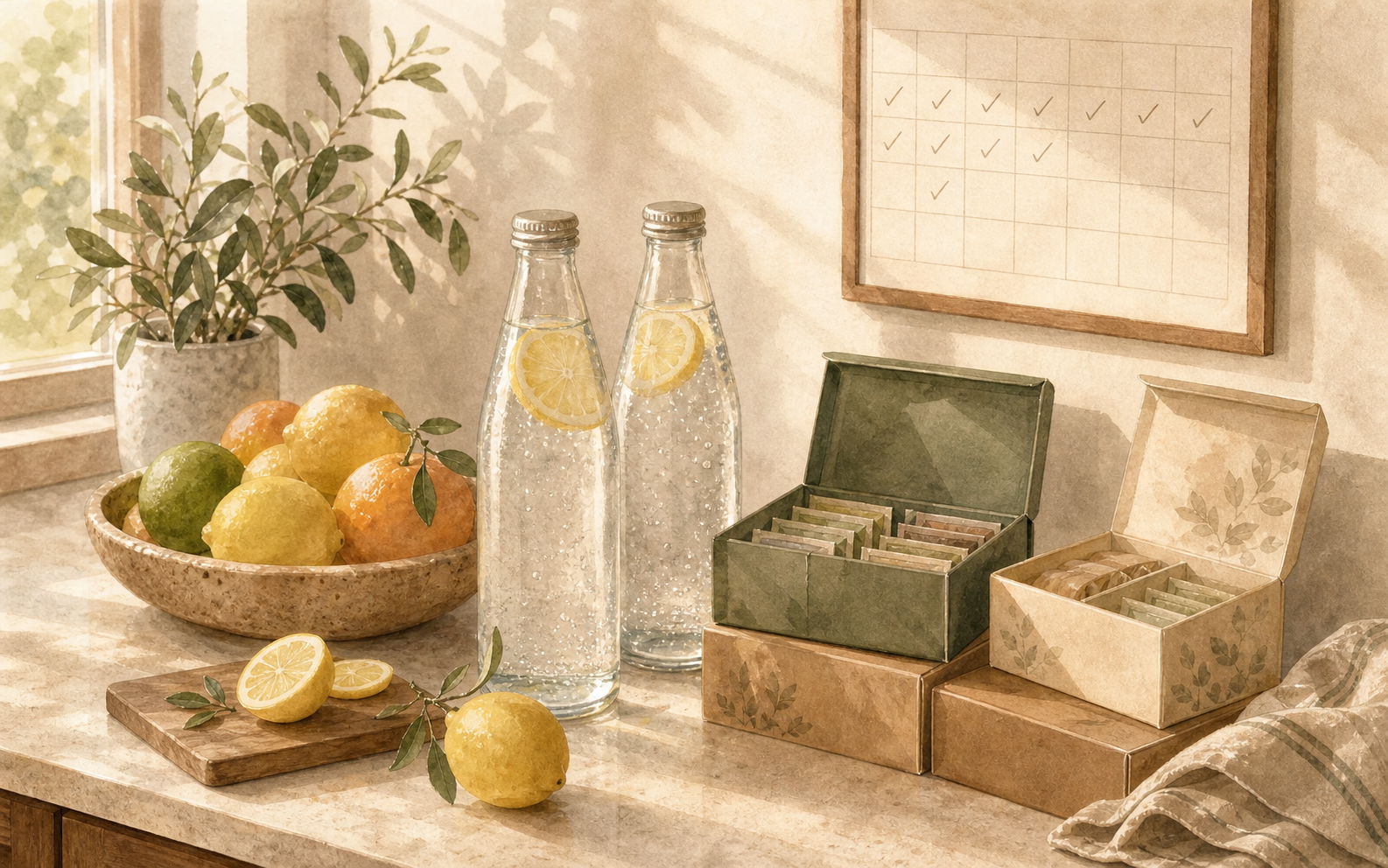
- Write down your goal and the reason behind it. "I'm not drinking in January because I want to sleep better" is more durable than a fuzzy intention to "drink less." Keep the note somewhere visible.
- Clear alcohol out of your home before January 1. Willpower is a lousy defense against a bottle of wine on the counter at 8 p.m.
- Map your triggers and plan a specific replacement: sparkling water, a walk, a phone call.
- Stock alternative drinks you genuinely like. A good herbal tea or non-alcoholic beer with flavor goes a long way.
- Track your progress daily, even if it's just a check mark on a calendar. Watching a streak build creates its own momentum.
- Tell at least one person. You don't need a public announcement, but having someone who knows makes the harder nights easier.
Handling Social Pressure and Tough Moments
The hardest part of an alcohol-free month is rarely the craving itself. It's the moment someone slides a glass toward you at a dinner party and says, "Come on, just one."
Have a short, boring response ready. "I'm taking the month off" works because it invites almost no follow-up. You don't owe anyone a medical history or a philosophical defense. If they push, repeat the same line. Boring answers kill conversations faster than clever ones.
When you can, show up to events with a drink already in hand. A sparkling water with lime or a non-alcoholic beer looks enough like "a drink" that most people won't comment.
The trickier opponent is internal. Around day 5 or day 10, the voice shows up: "You've proven you can do it, so one won't matter." Approaching the month with curiosity instead of dread helps here. Notice the urge, ask what triggered it, and let it pass. If you do slip, skip the spiral. One drink on day 14 doesn't erase thirteen good days. Adjust and keep going.
Damp January: A Middle Ground Worth Considering
Full abstinence works for some people. For others, the all-or-nothing framing is exactly what keeps them from starting. Damp January offers a different entry point, similar to being soberish: you drink less, on your own terms, without committing to zero.
The idea is flexible by design. Maybe you skip weeknight drinks but keep a Saturday glass of wine. Maybe you set a two-drink cap for social events and stick to water the rest of the time. There's no official rulebook, which is part of the appeal for people who want to rethink their habits without adopting a label.
Learning how to drink less without quitting still counts. If you normally have 14 drinks a week and bring that down to four, your sleep, hydration, and calorie intake all shift in a noticeable direction. The risk is that "cutting back" quietly drifts toward your baseline by mid-month. Setting a specific number or specific alcohol-free days each week gives the goal enough structure to hold.
If Damp January feels like a better fit than going fully dry, start there. A smaller change you actually stick with beats an ambitious one you abandon on day six.
Apps and Tools to Track Your Dry January
The most widely used option is Try Dry, the free app built by Alcohol Change UK for exactly this challenge. It's available on iOS and Android and tracks units, calories, and money saved. It also includes mood, sleep, and energy trackers with a notes section for daily reflections. For a purpose-built dry january app, it covers the basics well and costs nothing.
If a dedicated app feels like overkill, general habit trackers like Streaks or HabitNow work fine. Set a single daily goal, mark it complete each night, and let the streak do the motivating. The tool matters far less than whether you actually open it each day. Pick whatever matches how you already use your phone, and commit to logging before bed.
Why Some People Say Dry January Is a Bad Idea
The criticism is worth taking seriously, because some of it is right.
For people who drink heavily every day, stopping abruptly can cause withdrawal symptoms ranging from anxiety and tremors to seizures. Alcohol withdrawal is one of the few substance withdrawals that can be medically dangerous, and a social media challenge is no substitute for clinical guidance. If you're drinking daily and in large quantities, talk to a healthcare provider before going cold turkey, and ask about alternatives to naltrexone if it isn't the right fit.
There's also the rebound problem. As noted above, a large share of participants return to drinking afterward. Separately, some critics argue the all-or-nothing framing can create a binary mindset where January is "off" and February flips right back to old habits.
Neither criticism means the challenge is pointless. They mean it has limits. A 31-day pause works best as a starting point for looking at your habits, not as a complete solution. If you find the month genuinely difficult or February 1 feels like a release valve, that's useful information worth paying attention to.
Extending the Benefits Beyond January
February 1 arrives, and the question changes from "Can I do this?" to "Now what?" A few concrete moves help.
Pick another sober month later in the year. Sober October and Dry July are the most popular options, and spacing them out means you're regularly resetting instead of treating January as a one-off. Some people stack Dry January and February together to build a longer baseline, then reassess how alcohol fits into their spring.
Between challenges, set specific weekly rules you can maintain without constant willpower. Two alcohol-free weekdays, a one-drink cap on weeknights, no drinking alone. Vague intentions to "drink less" rarely survive a stressful Thursday.
Pay attention to patterns that surfaced during the month. If you noticed you sleep dramatically better without alcohol, or that your anxiety dropped by week three, write those observations down somewhere you'll actually revisit. They're easy to forget once the habit creeps back.
For some people, willpower and periodic challenges aren't enough to keep the momentum going. If you find yourself quickly returning to old patterns each February, that's a signal worth acting on, not ignoring until next January.
How Onir Supports Your Goals After the Challenge Ends
If January taught you that willpower alone gets shaky by week three, you're not unusual. That realization is actually a useful starting point.
Onir prescribes naltrexone, an FDA-approved medication that blocks the endorphin reinforcement your brain associates with drinking, following a naltrexone dosing guide tailored to each member. It's non-addictive, has been around for over 30 years, and most members notice the pull of alcohol weakening within 10 to 14 days, consistent with the typical naltrexone work timeline. The whole process is online: a free 60-second quiz, a $19.99 clinician review (refunded if you're not approved), and $99 a month billed as $297 every 90 days with medication and clinician care included. Available in all 50 states.
Everything ships in unmarked packaging, and because Onir doesn't bill insurance, there's no paperwork or claim trail, as reflected in Onir member reviews. Whether your goal is fewer drinks on weeknights or stopping entirely, this medication to cut back on alcohol lets your clinician build the plan around what you actually want.
Final Thoughts on Doing an Alcohol-Free Month
Perfect isn't the goal here. Paying attention is. Even a few weeks of noticing how your body and mind respond without alcohol gives you information you can use for the rest of the year.
FAQ
What are the benefits of Dry January week by week?
In week one, sleep quality improves and energy picks up around day five. Week two brings clearer thinking, better hydration, and less acid reflux. By week three, weight changes often become visible and short-term memory sharpens. Week four is where liver recovery, mood stability, and cumulative sleep gains leave most people feeling measurably different from January 1.
Can I get naltrexone prescribed online through Onir without seeing a doctor in person?
Yes. Onir handles everything online with no in-person visit required. You start with a free 60-second quiz, then a $19.99 clinician review (refunded if you're not approved). A licensed clinician reviews your intake, usually within 24 hours, and communicates through secure text-based messaging. Medication ships to your door in unmarked packaging, and the service is available in all 50 states.
How can I stop drinking so much on weeknights without feeling like I have a problem?
Start with specific, low-friction rules: pick two or three weeknights as alcohol-free, swap your usual drink for something you genuinely enjoy (sparkling water, non-alcoholic beer, herbal tea), and track the nights on a simple calendar or habit app. If willpower alone keeps falling short after a few weeks, that's common and worth paying attention to. Naltrexone, the medication Onir prescribes, works by quieting the automatic pull toward a drink so you can follow through on the limits you've already set for yourself.
Is Dry January actually a bad idea for heavy drinkers?
It can be risky if you drink heavily every day. Abrupt alcohol withdrawal can cause symptoms from tremors to seizures, so anyone drinking daily in significant quantities should talk to a healthcare provider before stopping cold turkey. For moderate or social drinkers, though, a 31-day break is generally safe and gives you real data about your habits, sleep, and energy.
Sober October vs Dry January: which one should I try first?
Dry January has the larger community and more built-in momentum since it lines up with New Year's resolutions, which can make social pressure easier to handle. Sober October works well as a second reset later in the year. Many people space both out to build a pattern of regular breaks from alcohol, which tends to produce more lasting habit changes than a single annual challenge.
How much weight can you realistically lose during Dry January?
It depends on what you were drinking and what replaces it. Cutting two nightly glasses of wine removes roughly 400 calories a day — over 12,000 calories across 31 days — which could mean several pounds lost. But if you backfill with ice cream or sugary mocktails, the calorie savings disappear. Track what replaces the drink, not just the drink itself.
What happens to your liver during a dry January before and after 30 days?
Your liver begins recovering within the first week, but the most measurable gains show up by month's end. After 30 alcohol-free days, liver fat and inflammation markers tend to drop, and the organ has had time to repair without the constant workload of metabolizing alcohol. Week four is where most people feel the cumulative benefit of that recovery in their energy and mood.
What's the best dry January app to track progress?
Try Dry, the free app from Alcohol Change UK, is the most popular choice. It tracks units, calories, and money saved, and includes mood, sleep, and energy logs. If a dedicated app feels like too much, a simple habit tracker like Streaks or HabitNow works fine — set one daily goal and mark it complete before bed.
What should I drink instead of alcohol during Dry January?
Stock drinks you genuinely enjoy, not just tolerate. Good herbal teas, sparkling water with lime, and non-alcoholic beers with real flavor all work well. The key is having something ready before the craving hits — reaching into an empty fridge at 8 p.m. and hoping willpower holds is a losing strategy.
Can I do a dry month other than January?
Absolutely. Dry July, Sober October, and even a sober November or December all work the same way. The month you pick matters less than actually doing it. Many people space two or three sober months across the year to build a regular pattern of resetting, which tends to produce more lasting changes than a single annual challenge.
What are the Dry January challenge rules?
The rules are simple: no alcohol from January 1 through January 31. No beer, wine, spirits, or cocktails — zero drinks for the full month. There's no entry fee, no sign-up requirement, and no penalty if you slip. If you do have a drink mid-month, skip the guilt spiral, adjust, and keep going. One slip on day 14 doesn't erase thirteen good days.
Why do 46% of people go back to drinking after Dry January, and how do I avoid that?
Most people finish the month without a plan for February, so old habits fill the vacuum. To avoid the rebound, set specific weekly rules before the challenge ends — like two alcohol-free weekdays or a one-drink cap on weeknights. Writing down what you noticed during the month (better sleep, less anxiety, more energy) also helps, because those observations are easy to forget once the habit creeps back.
Should I try Damp January instead of going fully dry?
If all-or-nothing framing is what keeps you from starting, Damp January is a solid alternative. You set your own boundaries — maybe no weeknight drinks but a Saturday glass of wine, or a two-drink cap at social events. The risk is that "cutting back" quietly drifts toward your old baseline by mid-month, so pick a specific number or specific alcohol-free days to give the goal enough structure to hold.
What does naltrexone do after Dry January if I start drinking again?
Naltrexone blocks the endorphin reinforcement your brain associates with drinking, so alcohol feels less rewarding and the automatic pull toward it weakens. Most people notice the effect within 10 to 14 days. It doesn't make you sick if you drink — it just quiets the signal that says "have another," which makes it easier to stick to the limits you've already set for yourself.
How do I handle dry January day 5 when the urge to quit the challenge hits?
Around day five, the internal voice often shows up: "You've proven your point, one drink won't matter." Notice the urge, ask what triggered it (stress, boredom, a social situation), and let it pass without acting on it. Having a specific replacement ready — a walk, a sparkling water, a phone call — gives you something to do in that moment besides debate yourself.
The science behind Onir has been covered by
82%
drinking less within two weeks
30+ yrs
FDA-approved & clinically studied
1,200+
clinical studies behind it
$99
per month, shipped discreetly
In their words
“I started my medication about 8 days ago. I feel amazing. Don't really have any urges to drink alcohol.”
Keep reading
Resources
Dry January Results: What to Expect in 31 Days
Explore the science behind Dry January benefits, from blood pressure to liver enzymes, in this updated November 2026 breakdown.
ReadResources
Damp January Guide: Drink Less Without Quitting
Explore Damp January as a practical way to drink less without giving it up entirely. Tips for setting limits that stick beyond November 2026.
ReadResources
A Sober New Year's Eve Guide for November 2026
Navigate New Year's Eve while drinking less with real tips on cravings, boundaries, and alcohol-free celebrations.
Read