Onir Resources
Dry January Results: What to Expect in 31 Days
Explore the science behind Dry January benefits, from blood pressure to liver enzymes, in this updated November 2026 breakdown.

By Justine Fowey, Onir Health Editorial Team
· Updated
Everyone talks about Dry January like the finish line is February 1. The research says the bigger payoff comes later, when people who took the month off were still drinking less months down the road. You'll also notice steadier sleep and energy along the way, plus a few changes you can only see in bloodwork. Here's how those 31 days usually play out, and how to skip the rebound.
TLDR:
- One alcohol-free month cut insulin resistance 25.9% and blood pressure 6.6% in a BMJ Open study.
- Your liver enzyme GGT can fall about 28.6% in a month, but cirrhosis scarring won't reverse.
- Expect sleep to even out by day 5 or 6 and motivation to dip in week 3.
- Participants still drank less in August, dropping from 4.3 to 3.3 drinking days a week.
- Onir clinicians can prescribe naltrexone for $99 a month if cravings return after January.
What Is Dry January and How Did It Start
Dry January is exactly what it sounds like: you skip alcohol for the 31 days of January. The UK charity Alcohol Change UK first launched Dry January in 2013, taking its cue from other month-long challenges. It has since spread well beyond Britain and has a large US following.
So yes, it's a real thing. University of Sussex researchers followed more than 800 people who did Dry January in 2018 to see how they were drinking by August, which is more research than most resolutions can claim.
The month works best as a reset and a chance to notice how alcohol fits into your life. If January timing doesn't suit you, other months have their own versions:
- Sober October
- Dry July
Health Benefits of Dry January Backed by Research
Most people who finish the month talk about what they can feel: deeper sleep, more energy, extra cash, and drinking feeling like a choice again. The measurable changes are less obvious and more interesting.
A 2018 BMJ Open study of moderate to heavy drinkers found that after one alcohol-free month:
- Insulin resistance fell by a median of 25.9%.
- Systolic blood pressure dropped 6.6%.
- Cancer-related growth factors in the blood went down.
A group that kept drinking showed no meaningful change.
The study was small and not randomized, and heavier drinkers saw bigger gains. If you have wine twice a month, expect a quieter January.
Dry January Benefits Timeline: Week by Week
Timelines depend on your drinking before January, so treat this as a rough map.
Stage | What often changes |
|---|---|
Days 1 to 7 | Sleep improves, hydration gets better |
Days 8 to 14 | Digestion settles, energy rises |
Days 15 to 21 | Clearer thinking, steadier mood, better skin |
Days 22 to 31 | Blood markers improve |
Days 1 to 7
Sleep feels broken through day 4, then evens out by day 5 or 6. Cravings are common.
Week 2
Late snacking drops off and afternoons stop sagging. With a full week of steadier sleep behind you, you're less likely to be running on caffeine and sugar by 3 p.m. Your stomach often settles too, since alcohol irritates the gut and tends to throw off digestion. Cravings are still around, but they're more likely to show up at specific times, like the end of a workday or Friday night, than all day long. That makes week 2 a good time to notice your triggers and line up a replacement, whether that's a fizzy alcohol-free drink or a walk before dinner.
Week 3
Motivation tends to dip once the novelty fades. The first two weeks feel like a project. By week 3, the early wins are just your new normal, and that's when it's easy to start wondering whether one drink would really matter. This is often when you hear "I've proven I can do it" or when a mid-month birthday or a rough work week tests your plan. Meanwhile, the quieter benefits are still adding up: many people notice clearer thinking, a steadier mood and better-looking skin around this point. Reread the reason you wrote down at the start, and plan something specific for the evenings that used to involve a drink. If you slip, one glass doesn't erase the dry days behind you, so pick back up the next morning.
Week 4 to day 31
A glass of wine starts to feel optional. By now, Friday night without a drink is just Friday night, and the evenings that used to need a plan mostly run on autopilot. This is also when the changes you can't feel catch up: the BMJ Open and liver studies above measured their drops in insulin resistance, blood pressure and GGT at the one-month mark. If you got bloodwork before January, this is the week to book the follow-up. The bigger risk now is treating February 1 as a finish line, so spend the last few days deciding what comes next, whether that's more dry weeks, set drink-free nights or a cap on how much you'll have.
Dry January Benefits for Your Liver
Your liver handles almost all the alcohol you drink, breaking it down into compounds that are toxic in their own right. While it's busy with that job, it puts fat processing on hold, so regular drinking tends to leave fat stored in liver cells.
Give it a month off and that backlog can start to clear. In a study of 94 adults who stopped drinking for a month, GGT, the liver enzyme most tied to alcohol exposure, fell by 28.6%.
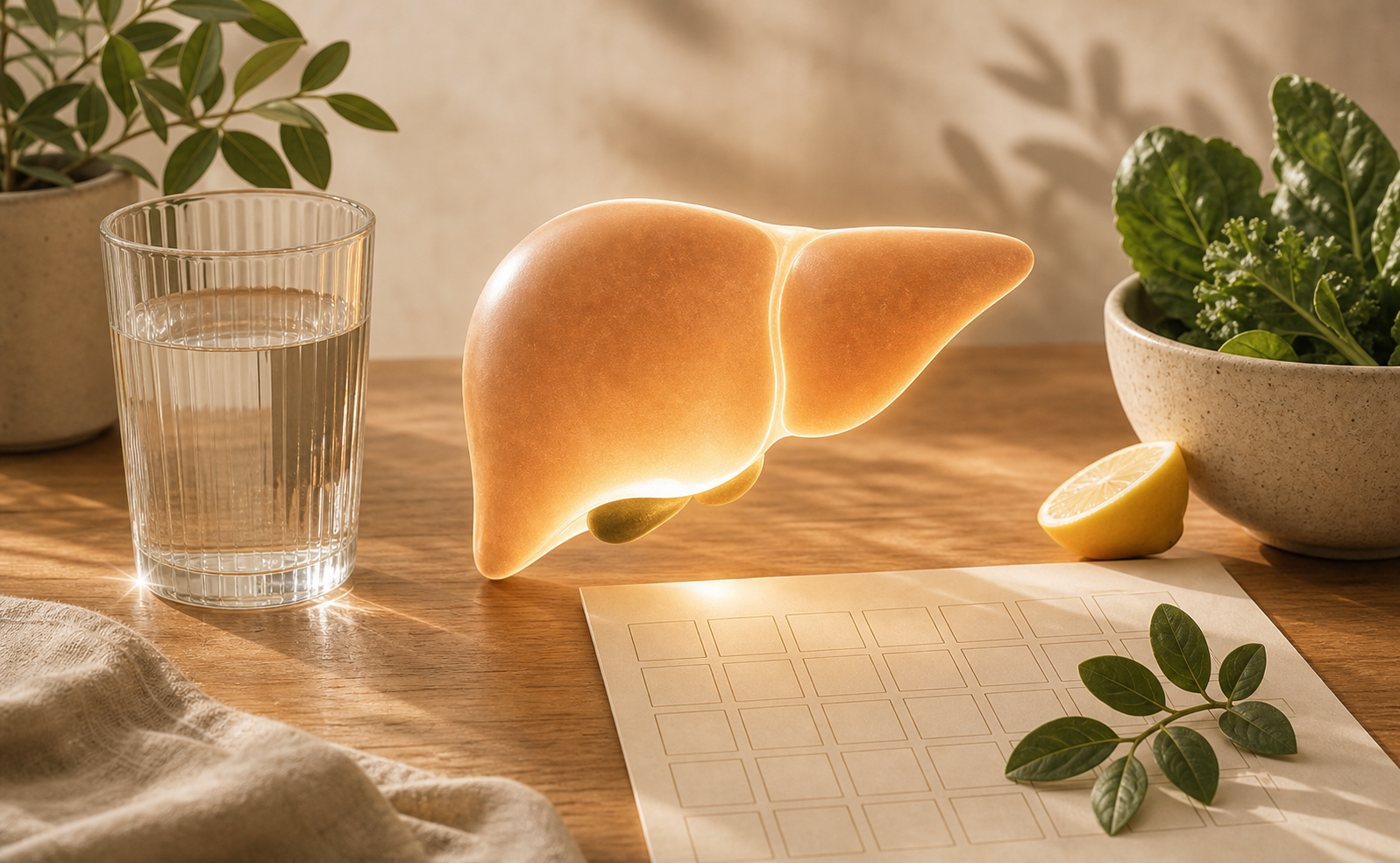
Scarring from advanced damage such as cirrhosis won't undo itself in 31 days, though.
If your liver numbers are already off, ask a doctor for bloodwork before and after the month.
Dry January Weight Loss: What Results to Expect
Most Dry January weight loss comes from simple math. Drinks carry calories, alcohol loosens your grip on the 11 p.m. nachos, and better sleep tends to mean fewer snack cravings. One roundup of the research points to two separate studies that measured different things. In the BMJ Open study, participants' measured weight fell by 1.5%. In a separate University of Sussex survey, 49% of participants said they had lost weight.
Results vary. Some early loss is water, and swapping beer for dessert or sugary mocktails can cancel it out.
Dramatic Reddit before and after photos aren't typical. After 30 days, many people, women especially, self-report less bloating, clearer skin and better sleep, depending on how much they drank before.
Long-Term Benefits of Dry January
The longest-lasting payoff shows up after February 1, when nobody is counting days. The Sussex participants mentioned earlier were still drinking less in August. Drinking days, units per drinking day and how often they got drunk all fell.
The month works like practice, a hands-on way to drink less without quitting. Thirty-one days of turning down drinks shows you which situations pull hardest, like Friday emails or a certain friend's birthday, and saying no gets easier each time.
Why Dry January Can Be a Bad Idea for Some People
A month off is harmless for most people, but a few patterns can backfire.
- Rebound drinking. Treating February 1 as a finish line can lead to heavier drinking than in December.
- All-or-nothing thinking. One glass on day 12 feels like failure, yet 11 dry days still count.
- Withdrawal risk. Stopping suddenly after heavy daily drinking can trigger dangerous symptoms, including seizures.
Talk to a doctor first if you:
- Drink heavily every day
- Have had withdrawal symptoms before
- Are pregnant
- Take medications that interact with alcohol
For urgent support, the SAMHSA National Helpline (1-800-662-4357) is free, confidential and open 24/7.
Dry January Tips to Get Through All 31 Days
These habits line up with NIAAA's Rethinking Drinking guide: keep track, plan for triggers, practice saying no and find alternatives.

- Write down your reason for doing the month, and keep it somewhere you'll see it.
- Tell a friend, or recruit one to join you.
- Plan for parties and stressful evenings before they arrive.
- Keep a ready answer, like "I'm doing Dry January."
- Stock alcohol-free drinks at home.
- Track dry days in a journal or app.
- Eat well, sleep enough and move daily.
- Reward milestones with something you'll enjoy.
If you haven't cut down after two to three months, NIAAA suggests you consider quitting or professional help, or both.
After Dry January: Moderation, Dry February and Other Paths
February 1 doesn't have to mean a return to your December habits. If you liked how you felt, pick the path that fits:
- Extend the break into February and give your sleep and energy more time to improve.
- Drink mindfully with set drink-free days, like keeping weeknights dry.
- Cut back gradually if stopping completely feels like too much, with help from medications to cut back on alcohol if needed.
- Try SMART Recovery, a moderation program, counseling, alternatives to naltrexone, or an FDA-approved medication for alcohol use prescribed by a doctor.
None of these requires quitting forever or joining AA. If you'd rather keep treatment private from your employer, self-pay avoids insurance claims, and federal 42 CFR Part 2 rules give substance use treatment records extra protection.
How Onir Helps You Keep Dry January's Benefits Going
If cravings creep back after January, Onir can help. A clinician can prescribe naltrexone, following a naltrexone dosing guide for this generic, non-addictive FDA-approved tablet used for alcohol use disorder for over 30 years. It blocks the reward alcohol triggers, so drinking feels less automatic, and pairing it with mental health coaching rounds out the support. Most members notice the pull weakening within 10 to 14 days.
Here's how it works:
- Take the free 60-second quiz, then book a $19.99 clinician review, fully refunded if you're not approved.
- If approved, you pay $99 a month, billed every 90 days, with medication and care included and shipped in plain packaging, which is detailed further in this naltrexone cost breakdown.
Onir is self-pay, so there's no insurance claim, and this naltrexone user review guide covers what members report. It isn't right for you if you take opioids, need supervised withdrawal or are pregnant.
Final Thoughts on Life After a Dry Month
The research is clear that one sober month can leave you drinking less for months afterward. Treat January as practice, not a finish line. Your sleep, your wallet and your liver will keep thanking you.
FAQ
Onir vs Oar Health vs Ria Health: which fits cutting back after Dry January?
All three offer clinician-prescribed medication, but Oar Health has no mobile app, while Onir and Ria do. Onir is built for people who want to drink less or stop without feeling like a patient. You pay $99 a month, billed as $297 every 90 days, and that covers medication, clinician care and the members-only app, with no breathalyzer readings like Ria uses.
How can I stop drinking so much on weeknights after Dry January without feeling like I have a problem?
Pick set dry nights, like Monday through Thursday, and keep alcohol-free drinks stocked so the 7 p.m. habit has a replacement. Wanting fewer weeknight drinks is a normal goal, not a diagnosis. If you notice the pull coming back quickly in February, naltrexone can make drinking feel less automatic, and most Onir members notice a change within 10 to 14 days.
Can I cut back on drinking after Dry January and keep it private from my job?
Yes. Self-pay treatment keeps it off insurance claims, and federal 42 CFR Part 2 rules mean substance use treatment records generally can't be shared without your written consent. Onir never shares your data with your workplace and ships in plain packaging, though a filled prescription can still show up in the pharmacy medication history that doctors' offices can see.
What are alternatives to AA if you want to drink less after Dry January but not quit?
SMART Recovery, moderation programs, counseling and FDA-approved medications like naltrexone all work without requiring lifelong abstinence. If you drink heavily every day, cutting back gradually with a doctor's guidance is safer than stopping suddenly, because abrupt withdrawal can cause seizures. Whichever path you choose, keep tracking your dry days, since tracking is one of the habits NIAAA recommends.
What are the benefits of Dry January week by week?
Most people see sleep even out by day 5 or 6, digestion and energy improve in week 2, and clearer thinking and steadier mood show up in week 3. By days 22 to 31, blood markers like insulin resistance and liver enzymes often improve. Your timeline depends on how much you drank before January, so treat this as a rough map.
Why does my sleep feel worse on Dry January day 4 than it did on day 1?
Broken sleep through about day 4 is common while your body adjusts to falling asleep without alcohol, and it usually evens out by day 5 or 6. Cravings tend to peak in this first week too. If you drank heavily every day before January and notice shaking, sweating or a racing heart, talk to a doctor, because sudden withdrawal can be dangerous.
Dry January vs just cutting back: which helps you drink less long term?
A full month off has better research behind it for lasting change. In a University of Sussex study of more than 800 participants, people were still drinking less in August, dropping from 4.3 to 3.3 drinking days a week. Cutting back with set dry nights can work too, but 31 days of saying no gives you more practice spotting the situations that pull hardest.
Is Dry January worth it if you only drink a couple of times a month?
You'll still get something out of it, but expect a quieter January. In the BMJ Open study, heavier drinkers saw the biggest gains in insulin resistance and blood pressure. For lighter drinkers, the month is more useful as a way to notice when and why you reach for a drink.
How much weight can you lose during Dry January?
Expect modest results: BMJ Open participants lost about 1.5% of their body weight, and 49% of people in a University of Sussex survey reported some weight loss. Some early loss is water, and swapping beer for dessert or sugary mocktails can cancel out the gains. Dramatic Reddit before and after photos are not the typical outcome.
Does Dry January help your liver?
Yes, for most people a month off gives the liver a chance to clear stored fat. In one study of 94 adults who stopped drinking for a month, GGT, the liver enzyme most tied to alcohol, fell by 28.6%. Scarring from advanced damage like cirrhosis won't reverse in 31 days, so if your numbers are already off, ask a doctor for bloodwork before and after.
Why is Dry January week 3 so hard, and how do you get through it?
Motivation tends to dip in week 3 because the novelty fades and early wins like better sleep start to feel normal. Re-read the reason you wrote down at the start, check in with a friend doing it with you, and plan a reward for finishing the week. One drink on day 18 doesn't erase 17 dry days, so skip the all-or-nothing thinking.
Should I keep going with Dry February or start drinking again after January?
If you liked how you felt, extending into February gives your sleep and energy more time to improve. If a second month feels like too much, set drink-free days like keeping weeknights dry. The main thing to avoid is treating February 1 as a finish line, since that is when rebound drinking tends to happen.
What's the best Dry January app for tracking your progress?
Any simple tracker or journal works for January, since keeping track is one of the habits NIAAA recommends. If you want support that lasts past the month, Onir's members-only app for iPhone and Android comes with the prescription and includes daily check-ins, milestones, progress compared with how much you drank before starting, and messaging with your care team.
When should you think about medication if cravings return after Dry January?
NIAAA suggests considering professional help if you haven't cut down after two to three months of trying. Naltrexone blocks the reward alcohol triggers, and most Onir members notice the pull weakening within 10 to 14 days. You can start with the free 60-second quiz and a $19.99 clinician review, refunded in full if you're not approved; the plan is $99 a month, billed as $297 every 90 days, medication and clinician care included.
The science behind Onir has been covered by
82%
drinking less within two weeks
30+ yrs
FDA-approved & clinically studied
1,200+
clinical studies behind it
$99
per month, shipped discreetly
In their words
“I started my medication about 8 days ago. I feel amazing. Don't really have any urges to drink alcohol.”
Keep reading
Resources
Dry January Tips That Work, Updated Nov 2026
Practical Dry January tips for November 2026, including a week-by-week guide to benefits and ways to handle tough moments.
ReadResources
Damp January Guide: Drink Less Without Quitting
Explore Damp January as a practical way to drink less without giving it up entirely. Tips for setting limits that stick beyond November 2026.
ReadResources
Day 4 No Alcohol: Body Changes and What's Next
Explore what 4 days without alcohol does to your body, liver, and sleep, and why cravings often peak at this stage. October 2026
Read