Onir Resources
Naltrexone and Weight Gain: What the Evidence Shows
Weight gain from naltrexone is uncommon. Discover the real causes behind scale changes and practical fixes, updated for 2026.

By Justine Fowey, Onir Health Editorial Team

The first thing most people do after noticing a few extra pounds on naltrexone is search whether the drug caused it. Fair question. In clinical trials, weight gain showed up in fewer than 1% of people, and the more common side effects actually push weight in the other direction. So if the scale moved, something else is probably going on, and it's worth figuring out what.
TLDR:
- Weight gain on naltrexone is rare, reported in fewer than 1% of trial participants
- Post-naltrexone weight changes usually trace back to restored appetite, sugar cravings, or other medications
- Naltrexone alone lacks strong evidence for weight loss; Contrave pairs it with bupropion for that goal
- Morning dosing with food covers peak craving hours and reduces nausea in the first weeks
- Onir prescribes naltrexone 50 mg at $99/month with ongoing clinician access for side effect questions
What the Drug Label Says About Naltrexone and Weight
According to the FDA label for oral naltrexone, weight gain is a rare side effect, reported in fewer than 1% of people in clinical trials. Increased appetite is also listed as a possible effect, but that too showed up in fewer than 1 out of 100 participants.
The trial data actually point in the opposite direction. Nausea, stomach pain, and a smaller appetite are far more common responses to naltrexone 50 mg, as people taking naltrexone often note, and those tend to nudge weight down slightly or keep it stable. So the short answer: naltrexone, by itself, is unlikely to make you gain weight.
That said, a drug label captures what happened in controlled trials over a defined period. Real life is messier, and there are several reasons the scale might move after you start naltrexone that have little to do with the pill itself.
Why Some People Gain Weight After Starting Naltrexone
When someone cuts back on alcohol or opioids, the body starts recovering in ways that can show up on the scale. Here are the most common reasons:

- Appetite comes back. Alcohol suppresses hunger signals and irritates the gut. Once you drink less, your body absorbs nutrients more efficiently and you actually feel like eating again. That restored appetite is a sign of healing, but it can add pounds if portions creep up unnoticed.
- Sugar cravings fill the gap. Alcohol floods the brain's reward circuits with dopamine. Remove that source and the brain goes looking for a replacement, often sugar or highly palatable food.
- Movement drops early on. Some people feel fatigued during the adjustment period, so they exercise less. Even a temporary dip in activity tips the calorie balance.
- Other medications carry weight as a side effect. If you started an antidepressant or mood stabilizer around the same time as naltrexone, the weight change may trace back there.
Almost every factor on this list ties back to recovery itself or to something happening alongside the medication. Naltrexone is rarely the direct cause, but it often gets the blame because the timing lines up.
Does the Form of Naltrexone Matter for Weight Changes
Naltrexone comes in three forms, and each carries a slightly different side effect profile related to body weight.
Form | Typical Dose | Approved / Common Use | Weight-Related Profile |
|---|---|---|---|
Oral tablet | 50 mg daily | Alcohol and opioid use disorder | Weight gain rare (<1%); nausea and reduced appetite more common |
Vivitrol injection | 380 mg monthly | Alcohol and opioid use disorder | Similar to oral; no consistent weight gain pattern in trials |
Low dose naltrexone (LDN) | 1.5 to 4.5 mg daily | Off-label (chronic pain, autoimmune conditions) | Limited controlled data; weight claims mostly anecdotal |
The oral 50 mg tablet is the version prescribed for alcohol and opioid use disorder. Weight gain in trials was rare, while appetite suppression and nausea were more common. The injectable form, Vivitrol, delivers 380 mg once a month. Its side effects overlap with the tablet but can include injection-site reactions and, in some cases, slightly higher rates of nausea, and some people also wonder whether naltrexone shows up on a drug test. Neither form has shown a consistent pattern of weight gain in controlled studies.
Low dose naltrexone (LDN) is a different story. Typically dosed between 1.5 and 4.5 mg per day, LDN is used off-label for conditions like chronic pain and autoimmune disorders. Because the dose is a fraction of the standard 50 mg, the side effect profile differs meaningfully from full-dose naltrexone. The published clinical trials on LDN have focused almost entirely on pain, inflammation, and fatigue, not body weight, and sample sizes have been small. That means there is no controlled evidence showing LDN causes weight gain or weight loss at these doses. If you're on LDN and noticing scale changes, bring it up with your prescriber instead of assuming the medication is responsible.
Naltrexone Alone for Weight Loss: What the Evidence Shows
Naltrexone 50 mg is FDA-approved for alcohol use disorder and opioid dependence. It is not approved as a standalone weight loss drug, and no manufacturer markets it that way.
That distinction matters because many people searching for "naltrexone alone for weight loss" expect a clear yes or no. The real answer lands somewhere in between. A 2021 systematic review looked at naltrexone's role in weight loss but found that most of the included evidence involved naltrexone combined with bupropion, not naltrexone by itself. The review concluded that the combination was effective, while evidence for naltrexone alone remained limited.
So can naltrexone alone help you lose weight? Possibly, in a small way, mostly through reduced appetite and fewer alcohol-related calories. But if weight loss is the primary goal, naltrexone monotherapy lacks deep evidence. Any weight changes you notice while taking it for drinking are better understood as a secondary effect of changing your relationship with alcohol, not targeted weight loss work.
Naltrexone and Bupropion (Contrave) for Weight Management
When people search for "naltrexone and bupropion for weight loss," they're usually asking about Contrave, a combination pill that pairs the two drugs in a single extended-release tablet. It received FDA approval in 2014 for chronic weight management and works differently than the naltrexone 50 mg prescribed for alcohol or opioid use disorder.
Each Contrave tablet contains naltrexone 8 mg and bupropion 90 mg, which is worth keeping in mind alongside the naltrexone price for standalone treatment. The typical regimen starts at one tablet per day and titrates up to two tablets twice daily over four weeks. That target dose of naltrexone 32 mg per day is still well below the 50 mg used for drinking, and the bupropion component drives much of the appetite reduction. Together, the two ingredients act on the hypothalamus and the mesolimbic reward system, curbing both physical hunger and craving-driven urges to eat.
Contrave is a purpose-built weight management product. Naltrexone 50 mg for alcohol use disorder is a different medication at a different dose, prescribed for a different reason. Results from Contrave trials shouldn't be projected onto standalone naltrexone, or vice versa. If weight loss is your primary concern, Contrave is worth discussing with a prescriber. If you're taking naltrexone to change your relationship with alcohol, any weight changes are a secondary effect of drinking less.
When to Take Naltrexone: Morning vs. Night
There is no manufacturer requirement to take naltrexone at a specific hour. The label leaves timing open, and naltrexone can be taken any time, though many clinicians suggest morning with breakfast.
Morning dosing has a practical edge if you're taking naltrexone for drinking. The drug's effects peak within about an hour and taper over the day, so a morning dose covers the afternoon and evening hours when cravings tend to hit hardest. Pairing it with food also reduces the nausea that some people feel in the first week or two.
Evening dosing makes sense if naltrexone leaves you drowsy or dizzy. About 2% of people in trials reported somnolence, and roughly 4% reported fatigue or dizziness, a pattern covered further in our guide on naltrexone making you sleepy. If those effects bother you during the day, shifting the dose closer to bedtime lets you sleep through the adjustment. One trade-off: some people notice vivid dreams or lighter sleep when they take it at night.
The single most useful rule is consistency. Pick a time, pair it with a daily habit, and stick with it. Whether that's 7 a.m. with coffee or 9 p.m. after dinner matters far less than taking it at roughly the same time every day, and building that consistency is easier with support beyond medication.
Common Side Effects of Naltrexone and How Long They Last
Most people who start naltrexone 50 mg will feel something in the first few days. The most common complaints are nausea, headache, dizziness, fatigue, and a smaller appetite. In clinical studies of the oral tablet, fatigue affected about 4% and drowsiness 2%. Dizziness landed around 4% as well. None of these numbers are large, but they're worth knowing about upfront.
The good news: most side effects are mild and tend to fade within one to two weeks as your body adjusts, which lines up with the broader naltrexone timeline for how it starts working. Tiredness usually peaks in the first several days and then tapers, so naltrexone fatigue does go away for the majority of people.
Two simple strategies help. First, take the tablet with food, which cuts nausea noticeably. Second, consider starting on a half tablet (25 mg) for the first few days before stepping up to the full 50 mg, a common approach covered in our naltrexone dosing guide. If side effects persist beyond two weeks or feel more than mild, that's a conversation for your prescriber.
What Happens if You Drink While Taking Naltrexone
Naltrexone and disulfiram (Antabuse) get confused constantly, but they work in completely different ways. Disulfiram causes intense nausea, flushing, and vomiting if you drink on it. Naltrexone does none of that.
What naltrexone does is block the opioid receptors that carry alcohol's reward signal. You still become intoxicated, and your coordination and judgment are still impaired. But that warm, reinforcing buzz that makes a second or third drink feel like a great idea? Naltrexone dulls it. The drink may taste the same, yet it stops feeling as satisfying.
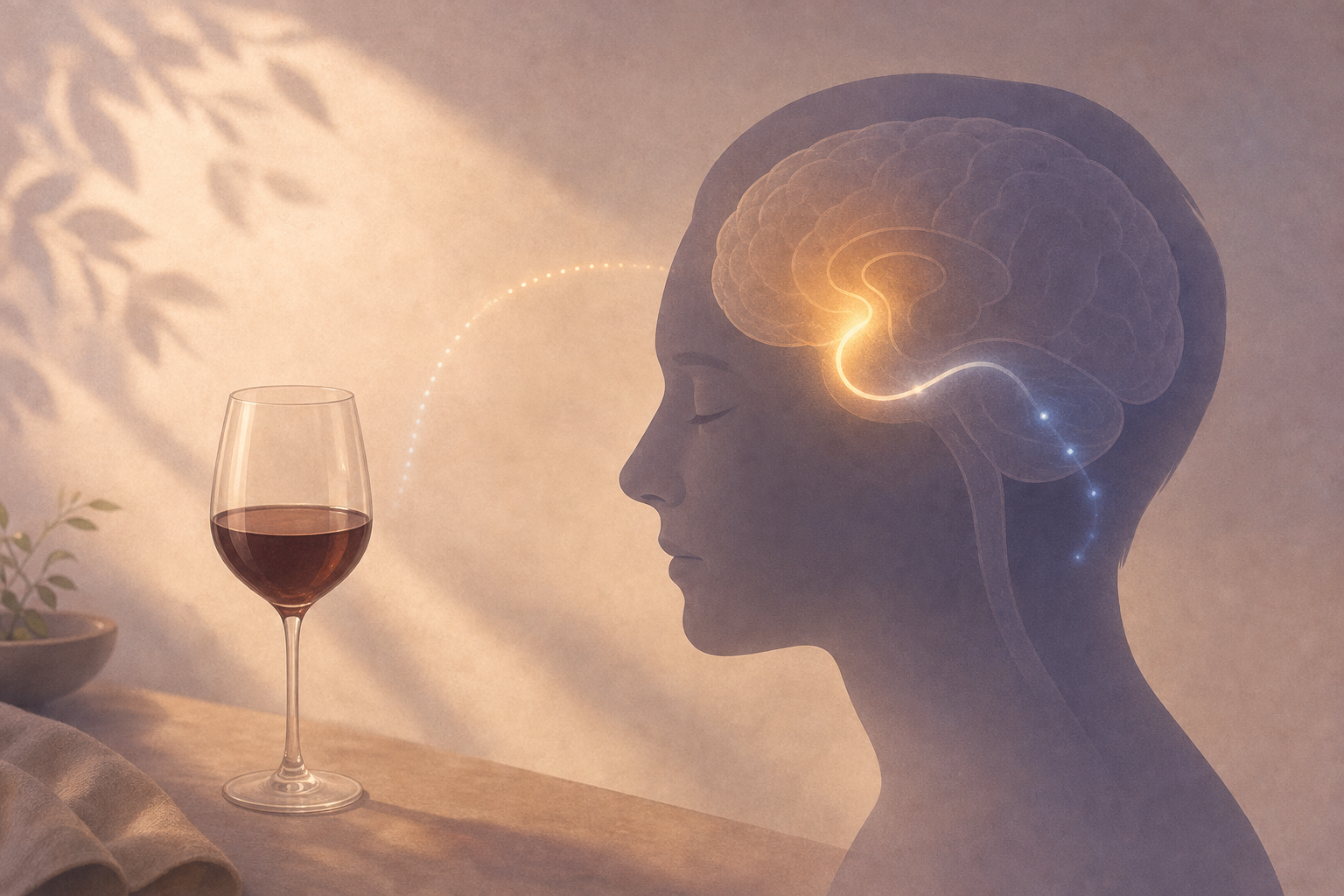
This is the basis of pharmacological extinction. The brain releases endorphins when you drink, and those endorphins activate opioid receptors to reinforce the behavior. With naltrexone blocking those receptors, the loop between drinking and reward gradually weakens. Over weeks and months, cravings lose their grip because there's less neurological incentive behind them, which is why many people use this medication to cut back on drinking. You won't feel sick if you drink on naltrexone, but you may find yourself wondering halfway through a glass why you bothered.
What to Do if You Gain Weight on Naltrexone
If the scale has moved up since you started naltrexone, a few targeted steps can help you figure out why and what to do about it.
- Track what you're eating for a week or two, paying close attention to sugar and refined carbs. When alcohol calories disappear, many people unconsciously replace them with sweets, snacks, or larger portions. A simple food journal (even a notes app) can reveal patterns you'd otherwise miss.
- Keep moving. Fatigue in the first week or two can quietly shrink your activity level. Even short walks count while your energy rebounds.
- Review any other medications you started around the same time, since certain foods and medications to avoid with naltrexone can complicate things. Antidepressants, mood stabilizers, and certain sleep aids carry weight gain as a known side effect. Your prescriber can help sort out which drug is the likely cause, and if naltrexone itself isn't working out, it's worth discussing alternatives to naltrexone.
- Schedule a follow-up with your clinician. Thyroid changes, fluid retention, and hormonal swings can all mimic medication-related weight gain, and a quick check rules those out.
Identifying the actual source makes it far easier to course-correct without disrupting a treatment that's working for your drinking.
How Onir Supports People Using Naltrexone to Change Their Drinking
If you've read this far, you probably have a clearer picture of what naltrexone does and doesn't do to your weight. The next question is practical: how do you actually get started?
At Onir, we prescribe FDA-approved generic naltrexone hydrochloride 50 mg tablets for people who want to drink less or stop altogether. A licensed U.S. clinician reviews your intake through a secure, asynchronous text-based chat, typically within 24 hours, and stays available throughout your 90-day program to answer questions about side effects, weight changes, dosing, or anything else that comes up. Most members notice the pull of alcohol weakening within 10 to 14 days.
The cost is $99 a month, billed as $297 every 90 days, medication and clinician care included. Your medication ships in unmarked packaging straight to your door, and because Onir is self-pay, there's no insurance claim or paper trail. If you want to see whether naltrexone is right for you, the free 60-second quiz takes about as long as reading this sentence twice.
Final Thoughts on Naltrexone and Your Weight
Controlled trial data and real-world experience both point the same way: naltrexone is an unlikely culprit for weight gain. If the number on your scale is moving, look at what changed around the medication, not the medication itself. A short food journal and a check-in with your clinician can clear things up fast.
FAQ
Does naltrexone make you gain weight, or is the weight change from cutting back on alcohol?
Weight gain from naltrexone itself is rare — reported in fewer than 1% of clinical trial participants. Most scale changes after starting naltrexone trace back to recovery-related shifts: restored appetite once alcohol stops suppressing hunger, sugar cravings replacing the dopamine hit from drinking, or reduced activity during the adjustment period. If you've gained weight, a simple food journal and a check-in with your clinician can help pinpoint the actual cause.
Should I take naltrexone in the morning or at night for weight loss and alcohol cravings?
Morning dosing with food is what most clinicians recommend, especially for drinking — the drug peaks within about an hour and covers the afternoon and evening when cravings tend to spike. If naltrexone makes you tired or dizzy during the day, shifting the dose to evening lets you sleep through those effects, though some people report vivid dreams. Consistency matters more than the exact hour: pick a time, pair it with a daily routine, and stick with it.
Can naltrexone alone help with weight loss, or do you need bupropion too?
Naltrexone 50 mg on its own may produce modest weight effects — mainly through reduced appetite and fewer alcohol-related calories — but the evidence for standalone weight loss is thin. The strongest data come from the naltrexone-bupropion combination (Contrave), which targets both physical hunger and reward-driven eating at different doses than the 50 mg tablet prescribed for drinking. If weight loss is your primary goal, Contrave is worth discussing with a prescriber; if you're taking naltrexone to change your relationship with alcohol through a service like Onir, any weight change is a secondary effect of drinking less.
How long do naltrexone side effects like fatigue and nausea last?
Most side effects — nausea, headache, dizziness, and tiredness — are mild and fade within one to two weeks. Fatigue typically peaks in the first several days and then tapers. Taking the tablet with food cuts nausea noticeably, and starting on a half tablet (25 mg) for a few days before stepping up to the full 50 mg can ease the transition. If anything persists beyond two weeks, that's worth raising with your prescriber.
What is naltrexone and how does it help with drinking less?
Naltrexone is an FDA-approved, non-addictive medication that blocks the opioid receptors carrying alcohol's reward signal in the brain. You can still drink on it and you won't feel sick, but the satisfying buzz that makes a second or third drink feel automatic gets dulled — so over weeks and months, cravings lose their grip. Onir prescribes naltrexone 50 mg through a licensed clinician who reviews your intake within 24 hours; most members notice the pull of alcohol weakening within 10 to 14 days.
Does naltrexone make you tired, and does the fatigue go away?
About 4% of people in clinical trials reported fatigue and roughly 2% reported drowsiness. For most, the tiredness peaks in the first several days and fades within one to two weeks as your body adjusts. If it lingers, shifting your dose to the evening or talking to your prescriber about starting at 25 mg can help.
Does naltrexone make you sick if you drink while taking it?
No. Naltrexone is often confused with disulfiram (Antabuse), which causes nausea and flushing if you drink. Naltrexone works differently — it blocks the opioid receptors that carry alcohol's reward signal, so the drink stops feeling as satisfying, but you won't feel sick. You still become intoxicated, so your coordination and judgment are still impaired.
What's the best dose of naltrexone for weight loss?
There is no FDA-approved dose of naltrexone for standalone weight loss. The 50 mg tablet prescribed for alcohol use disorder may produce modest appetite reduction, but the strongest weight loss data come from Contrave, which pairs naltrexone 8 mg per tablet with bupropion 90 mg at a target of two tablets twice daily. If weight loss is the primary goal, that combination is worth discussing with your prescriber.
Does low dose naltrexone make you gain weight or lose weight?
Controlled trial data on low dose naltrexone (typically 1.5–4.5 mg daily) and body weight are limited, so claims in either direction remain mostly anecdotal. Because the dose is a fraction of the standard 50 mg, the side effect profile differs meaningfully. If you're on LDN and noticing scale changes, bring it up with your prescriber before attributing it to the medication.
Naltrexone 50 mg vs Contrave for weight loss — which one actually works?
Naltrexone 50 mg is prescribed for alcohol or opioid use disorder and may reduce weight slightly through lower appetite and fewer alcohol calories, but the evidence for standalone weight loss is thin. Contrave combines a lower dose of naltrexone (32 mg daily at target) with bupropion to target both physical hunger and reward-driven eating, and it carries FDA approval specifically for chronic weight management. They are different medications at different doses for different purposes — results from one shouldn't be projected onto the other.
How long does naltrexone block alcohol cravings after you take it?
Naltrexone's effects peak within about an hour of taking it and gradually taper over the course of the day. That's why many clinicians recommend a morning dose — it covers the afternoon and evening hours when cravings tend to hit hardest. Taking it at roughly the same time each day keeps blood levels steady and craving coverage consistent.
Can I take naltrexone at night for weight loss if it makes me sleepy during the day?
Yes. If daytime drowsiness or dizziness bothers you, taking naltrexone closer to bedtime lets you sleep through those effects. The trade-off is that some people report vivid dreams or lighter sleep with evening dosing. Whether morning or night, the key is picking a consistent time and pairing it with food to reduce nausea.
What should I do about sugar cravings after starting naltrexone?
Sugar cravings are common when you cut back on alcohol because your brain is looking for a new dopamine source to replace the reward signal that drinking used to provide. Tracking what you eat for a week or two — even in a notes app — can reveal how much sugar is sneaking in. Being aware of the pattern is usually enough to start making swaps before the extra calories add up.
When is the best time to take naltrexone 50 mg if I'm using it for alcohol?
Most clinicians recommend taking it in the morning with food. A morning dose peaks within about an hour, covering the late-afternoon and evening window when alcohol cravings are strongest for most people. Pairing it with breakfast also reduces the nausea some people feel in the first couple of weeks.
How much does naltrexone cost without insurance, and does Onir accept HSA or FSA cards?
Through Onir, naltrexone 50 mg costs $99 a month, billed as $297 every 90 days, with medication and clinician care included. Onir accepts most HSA and FSA cards at checkout, though some card providers may restrict certain purchases. If your card is declined, you can check out with a regular debit or credit card and submit the itemized receipt to your HSA or FSA for reimbursement.
The science behind Onir has been covered by
82%
drinking less within two weeks
30+ yrs
FDA-approved & clinically studied
1,200+
clinical studies behind it
$99
per month, shipped discreetly
In their words
“I started my medication about 8 days ago. I feel amazing. Don't really have any urges to drink alcohol.”
Keep reading
Resources
Is Naltrexone Making You Sleepy? Guide
Naltrexone can cause mild drowsiness in some patients. Find out why, how long it lasts, and how to manage it. October 2026 guide.
ReadResources
Naltrexone Before and After: A 90-Day Breakdown
What really changes after 90 days of naltrexone? This guide covers cravings, sleep, and side effects week by week, updated October 2026.
ReadResources
Naltrexone Without Insurance: Full Price Breakdown
Compare naltrexone self-pay prices across pharmacies and telehealth options, updated for October 2026, including hidden fees to expect.
Read