Onir Resources
What Is Naltrexone Used For?
A full October 2026 breakdown of naltrexone uses: alcohol cravings, opioid recovery, weight loss, and what side effects to expect.

By Justine Fowey, Onir Health Editorial Team
· Updated

If you're weighing whether naltrexone might help you cut back on drinking, stay off opioids, or manage something else entirely, the range of things this one medication is used for can be genuinely confusing. A 50 mg tablet for alcohol cravings, an injection for opioid recovery, a tiny compounded dose for autoimmune conditions. Below, we'll go through each use, what the evidence actually says, and what to expect if you start taking it.
TLDR:
- Naltrexone is FDA-approved for alcohol and opioid use disorder, not an opioid, and carries no addiction risk
- Side effects like nausea and headache peak in the first week and typically fade after that
- Naltrexone alone isn't approved for weight loss; Contrave pairs it with bupropion at a lower 8 mg per tablet dose
- Avoid all opioids while taking it, including some cough syrups and pain meds
- Onir prescribes naltrexone 50 mg for alcohol use at $99/month with clinician support included
What Is Naltrexone and How Does It Work?
Naltrexone is an FDA-approved opioid antagonist, meaning it blocks opioid receptors in the brain without activating them. It is not an opioid, and it carries no risk of addiction or dependence. The FDA originally approved it for treating opioid dependence, then later for alcohol use disorder.
The drug sits on the same receptors that opioids and endorphins bind to. When those receptors are blocked, the rewarding effects of opioids are neutralized and the reinforcing buzz from alcohol is dulled. Over time, the brain's learned connection between drinking (or opioid use) and pleasure weakens.
Naltrexone comes in two FDA-approved forms: an oral 50 mg tablet sold under the brand name ReVia (widely available as a generic), and a 380 mg extended-release monthly injection marketed as Vivitrol. Both deliver the same active compound, naltrexone hydrochloride, but differ in administration and frequency.
Naltrexone for Alcohol Use Disorder
Alcohol triggers a surge of endorphins that activate opioid receptors, creating the pleasant buzz that makes drinking feel rewarding. Naltrexone sits on those receptors first. With the reward signal muted, each drink registers as less satisfying, and over weeks the brain's learned association between alcohol and pleasure starts to fade. Researchers sometimes call this process pharmacological extinction.

Unlike its use for opioid dependence, naltrexone for alcohol does not require you to stop drinking before you start taking it. Some people take the 50 mg tablet daily; others follow The Sinclair Method, taking it only an hour or two before they plan to drink. Both approaches have clinical support, and the right fit depends on your goals and your clinician's recommendation. If this medication doesn't suit you, there are also acamprosate and disulfiram options worth discussing.
Naltrexone works best as one piece of a broader plan. Counseling, behavioral support, or even regular check-ins with a care team can reinforce the changes the medication makes possible.
Naltrexone for Opioid Use Disorder
Naltrexone was first approved to help people who had already detoxed from opioids stay abstinent. By occupying opioid receptors, it blocks the euphoric high that heroin, fentanyl, oxycodone, and similar drugs produce, removing a major incentive to relapse.
One requirement is non-negotiable: you must be completely opioid-free for 7 to 10 days before your first dose. If naltrexone is taken while opioids are still in your system, it can trigger precipitated withdrawal, a sudden, severe onset of withdrawal symptoms that can require emergency care. Clinicians typically confirm opioid-free status with a urine screen or a naloxone challenge test before prescribing.
For opioid use disorder, the monthly Vivitrol injection is especially common because it removes the daily decision to take a pill, which can be a real hurdle during early recovery. The oral 50 mg tablet is also used, though adherence tends to be lower without structured support around it.
Naltrexone and Bupropion for Weight Loss (Contrave)
Naltrexone by itself, at the standard 50 mg dose, is not FDA-approved for weight loss. The confusion usually comes from Contrave, a combination medication that pairs naltrexone with bupropion in an extended-release tablet. Contrave received FDA approval in 2014 for weight management in adults with obesity, or in those who are overweight and have at least one weight-related condition like high blood pressure or type 2 diabetes. It's meant to be used alongside a reduced-calorie diet and exercise, not as a standalone fix.
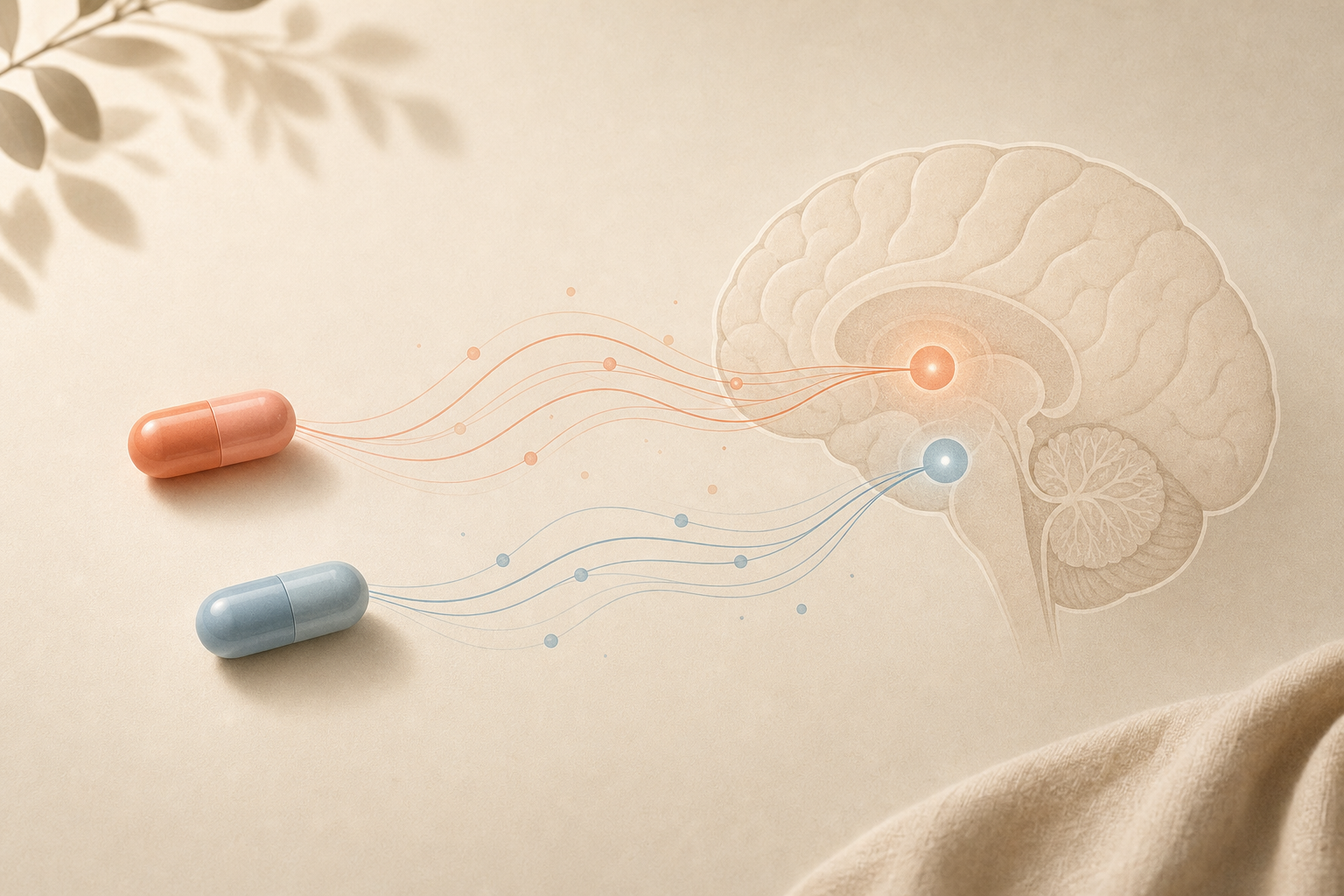
The two drugs work on different parts of the brain. Bupropion affects appetite and energy balance; naltrexone reinforces bupropion's effect by blocking opioid-mediated feedback loops that would otherwise blunt it. According to Cleveland Clinic, the combination promotes weight loss by decreasing appetite.
If you're searching for "naltrexone dose for weight loss," know that Contrave uses a much lower dose of naltrexone (8 mg per tablet) than the 50 mg tablet prescribed for alcohol or opioid use disorder. They are different medications prescribed for different reasons, and one should not be substituted for the other.
Low Dose Naltrexone: Off-Label Uses
Low dose naltrexone (LDN) refers to naltrexone taken at roughly 1 to 5 mg per day, a fraction of the standard 50 mg dose. At these lower amounts, the drug behaves quite differently. Instead of blocking opioid receptors around the clock, LDN creates a short-term blockade that triggers a rebound in the body's own endorphins and enkephalins, along with changes in immune signaling.
That immune-modulating effect is why LDN has attracted interest across a wide range of conditions, though evidence for most of them remains preliminary:
- Autoimmune diseases like Crohn's disease, ulcerative colitis, and multiple sclerosis
- Fibromyalgia and other chronic pain syndromes
- Fertility support and IVF, where some clinicians believe immune modulation may improve implantation outcomes
- Endometriosis and pelvic pain
- Mental health conditions, including depression and anxiety
All of these uses are off-label. LDN is not FDA-approved for any of them, and most supporting evidence comes from small studies and pilot trials. That said, you should have a frank conversation with your clinician about what the research shows for your specific situation. LDN is typically obtained through a compounding pharmacy, since the standard manufactured tablet is 50 mg.
Naltrexone Dosage and How to Take It
Naltrexone forms, dosing, and primary uses at a glance
Form | Dose | Frequency | Primary Use | How It's Obtained |
|---|---|---|---|---|
Oral tablet (ReVia / generic) | 50 mg | Once daily | Alcohol use disorder, opioid dependence | Standard pharmacy prescription |
Extended-release injection (Vivitrol) | 380 mg | Once monthly | Alcohol use disorder, opioid dependence | Administered by a healthcare provider |
Low dose naltrexone (LDN) | 1.5 to 4.5 mg | Once daily (titrated up over weeks) | Off-label: autoimmune conditions, chronic pain, fertility support | Compounding pharmacy |
The standard oral dose is 50 mg once daily. It can be taken at any time of day, morning or evening, but timing your naltrexone dose consistently matters more than which hour you choose. Many people find mornings easiest to remember.
Taking naltrexone with a meal can cut down on nausea, especially during the first week. If side effects are noticeable early on, clinicians often suggest starting at 25 mg (half a tablet) for several days before stepping up to the full 50 mg, following a standard naltrexone dosing guide.
For the injectable form (Vivitrol), there's no at-home version of the shot. It's administered by a healthcare provider at each monthly visit.
LDN dosing follows a different pattern entirely. Most providers start patients at 1.5 mg per day and gradually titrate up to 4.5 mg over several weeks, adjusting based on tolerance and response. Because LDN requires sub-standard doses, it's typically filled by a compounding pharmacy.
If you miss a dose of the oral tablet, take it as soon as you remember, unless your next dose is close. Never double up.
Common Side Effects of Naltrexone
Most people who take naltrexone at the standard 50 mg dose experience side effects that are mild and temporary. The most commonly reported ones include nausea, headache, fatigue, dizziness, reduced appetite, and trouble sleeping. Not everyone gets all of these, and some people notice very little.
The first week tends to be the roughest stretch. Side effects usually peak during those initial days, then taper off as your body adjusts. If naltrexone nausea and side effects are the main issue, two simple moves help: take the tablet with food, and ask your clinician about starting at half a tablet (25 mg) for the first several days before moving to the full dose. Most side effects are short-lived, and many people find them manageable enough to continue treatment.
If something feels off beyond the first couple of weeks, or a side effect is strong enough to interfere with your day, reach out to your clinician instead of stopping on your own.
Serious Side Effects and Safety Warnings
Serious side effects from naltrexone are uncommon, but they exist, and knowing what to watch for matters.
The biggest concern is liver toxicity. At high doses, naltrexone has been associated with hepatocellular injury. Your clinician may order liver function tests before you start and periodically afterward as part of monitoring naltrexone and liver safety, especially if you have a history of liver disease. Signs to flag immediately include dark urine, yellowing of the skin or eyes, unusual fatigue, or persistent abdominal pain.
Severe allergic reactions are rare but possible. Seek emergency help if you develop hives, swelling of the face or throat, or difficulty breathing.
The most dangerous interaction is with opioids. Taking naltrexone while opioids are still in your system triggers precipitated withdrawal, and this risk extends beyond street drugs. According to Drugs.com, you should also avoid opioid-containing cough suppressants, antidiarrheals, and any medication with an opioid component. If you're unsure which foods and medications to avoid with naltrexone, ask your clinician or pharmacist before taking it.
One practical detail: naltrexone prescriptions carry a recommendation to wear a medical alert tag or card. This isn't because the drug causes impairment. It's so emergency providers know you're on an opioid blocker and can plan pain management accordingly if you ever need surgery or emergency care.
What to Avoid When Taking Naltrexone
Opioids top the list. Any opioid medication, street drug, or product containing an opioid component needs to be off the table while you're on naltrexone. That includes less obvious sources like certain cough syrups, antidiarrheal medications, and prescription painkillers with codeine or tramadol.
Kratom acts on the same opioid receptors naltrexone blocks, so combining the two is not recommended. If you use kratom, bring it up with your clinician before starting.
For THC, CBD, and supplements, there's no blanket prohibition, but your prescriber needs the full picture.
There are no special dietary restrictions. Taking naltrexone with food can reduce nausea, but you don't need to avoid specific foods or drinks.
One thing that's easy to overlook: tell every healthcare provider you see that you're on naltrexone, especially before surgery, dental work, or an emergency visit. Standard opioid-based pain management won't work the way it normally would, and your care team needs to plan around that.
Low Dose Naltrexone Side Effects
Because LDN works through a brief opioid-receptor blockade followed by an endorphin rebound, its side effect profile looks quite different from what you'd expect at 50 mg.
The most commonly reported LDN side effects are vivid dreams, sleep disturbance, mild nausea, and headache. Nausea typically resolves within the first two weeks, and vivid dreams tend to settle as well. Some women report temporary changes in mood or menstrual patterns early on, though data on sex-specific side effects remains limited.
Starting at 1.5 mg and titrating up over several weeks is standard practice precisely because it minimizes these reactions. If vivid dreams are disruptive, some clinicians suggest moving the dose to the morning. Symptoms of too much LDN, like pronounced insomnia or increased headaches, usually signal the titration moved too fast, which is why tracking a 90-day treatment timeline can help spot patterns early. Long-term side effects at these doses are not well documented in large trials, which is worth a candid conversation with whoever is prescribing it.
Is Naltrexone a Controlled Substance?
No. Naltrexone is not a controlled substance, and it has zero abuse potential. It produces no high, no euphoria, and no physical dependence. You can stop taking it without withdrawal symptoms.
The confusion is understandable. Other medications used in addiction treatment, like methadone and buprenorphine (Suboxone), are themselves opioids and carry DEA scheduling restrictions. Naltrexone works in the opposite direction. As an opioid antagonist, it blocks the receptors those drugs activate. There's nothing in it to misuse, which is why it doesn't require the special prescribing permissions or pharmacy controls that scheduled medications do.
Any licensed prescriber can write a naltrexone prescription, and no specific DEA waiver or certification is needed.
How to Get Naltrexone
You have a few routes to get naltrexone, and none of them require jumping through unusual hoops.
Your primary care doctor, a psychiatrist, or an addiction medicine specialist can all write the prescription. Unlike buprenorphine, which historically required a special DEA waiver, naltrexone has no such restriction. A typical first appointment involves a brief medical history review, a conversation about your drinking or opioid use patterns, and sometimes baseline blood work to check liver function. Come prepared with a list of current medications, including over-the-counter products, so your prescriber can screen for opioid interactions before writing the script.
Telehealth naltrexone prescriptions have also made access easier, especially if you'd rather skip the waiting room or live somewhere with limited local options. Addiction treatment programs and specialized clinics are another path if you want bundled counseling alongside the medication.
On cost: the generic 50 mg tablet is relatively inexpensive, and insurance frequently covers it for FDA-approved indications like alcohol use disorder or opioid dependence.
How Onir Prescribes Naltrexone for Alcohol Use
At Onir, we prescribe FDA-approved generic naltrexone hydrochloride 50 mg tablets for people who want to drink less or stop altogether. The process starts with a free 60-second quiz, followed by a $19.99 clinician review (refunded in full if you're not approved). If approved, a 90-day supply ships to your door in plain, unmarked packaging. The program runs $99 a month, billed as $297 every 90 days, with medication and ongoing clinician care included.
Many people report cravings starting to weaken within the first couple of weeks. Your clinician stays available through secure asynchronous messaging for questions, dose adjustments, or check-ins throughout the program. Because Onir is self-pay, there's no insurance claim record. Everything is HIPAA-compliant and available in all 50 states.
Final Thoughts on How Naltrexone Works and Who It's For
At 50 mg, at 4.5 mg, or paired with bupropion, naltrexone plays a different role each time. The common thread is that it's safe, non-addictive, and works best when you have a clinician guiding the process. Start with your specific goal and build from there.
FAQ
Is naltrexone an opioid, and can it get you high?
No on both counts. Naltrexone is an opioid antagonist — it blocks opioid receptors without activating them, producing no high, no euphoria, and no physical dependence. It is not a controlled substance, and any licensed prescriber can write a naltrexone prescription without a special DEA waiver.
Oar Health vs Ria Health vs Onir for cutting back on alcohol — what's the difference?
All three are telehealth options that can prescribe naltrexone for alcohol use disorder, but they differ in structure and feel. Onir is self-pay ($99 a month, billed as $297 every 90 days, medication and clinician care included), ships a 90-day supply of FDA-approved generic naltrexone hydrochloride 50 mg tablets in unmarked packaging, and keeps everything off your insurance record. If discretion, simple pricing, and a lifestyle-first tone matter to you, it's worth starting with the free 60-second quiz to see whether Onir fits your situation.
How long do naltrexone side effects last in the first week?
Most side effects — nausea, headache, fatigue, dizziness — peak during the first few days and taper noticeably by the end of the first week. Taking the tablet with food and starting at 25 mg for the first several days before stepping up to the full 50 mg dose can make that initial stretch easier. If anything persists beyond the first couple of weeks, talk to your clinician before stopping on your own.
What should I avoid when taking naltrexone?
All opioids are off-limits — that includes prescription painkillers, opioid-containing cough syrups, antidiarrheal medications with opioid components, and kratom. There are no specific food restrictions, but you should tell every healthcare provider you see (including dentists and ER staff) that you're on naltrexone, because standard opioid-based pain management won't work while the medication is active.
Can naltrexone alone help with weight loss, or do I need the bupropion/naltrexone combination?
Naltrexone at the standard 50 mg dose is not FDA-approved for weight loss on its own. The FDA-approved weight management medication is Contrave, which pairs a much lower dose of naltrexone (8 mg per tablet) with bupropion to reduce appetite through a different mechanism. These are separate medications prescribed for separate reasons, and one should not be swapped for the other.
Can I just stop taking naltrexone, or do I need to taper off?
You can stop taking naltrexone without tapering. Because it is non-addictive and does not cause physical dependence, there are no withdrawal symptoms when you discontinue it. That said, it's a good idea to talk to your clinician before stopping so you have a plan in place to maintain your progress.
Is naltrexone safe for your liver long-term?
At the standard 50 mg dose, serious liver problems are uncommon, but naltrexone has been associated with hepatocellular injury at higher doses. Your clinician may order liver function tests before you start and periodically during treatment, especially if you have a history of liver disease. Report dark urine, yellowing of the skin or eyes, or persistent abdominal pain right away.
What is naltrexone used for in IVF and fertility treatment?
Some fertility specialists prescribe low dose naltrexone (typically 1–5 mg) off-label to modulate the immune system, with the idea that reducing certain inflammatory responses may improve implantation outcomes during IVF. This use is not FDA-approved, and supporting evidence comes mostly from small studies and pilot trials, so it's worth a candid conversation with your reproductive endocrinologist about what the data actually shows for your situation.
Best time of day to take naltrexone for alcohol — morning or night?
Either works, and consistency matters more than the specific hour. Many people find mornings easiest to remember, but if you experience drowsiness or fatigue, shifting to the evening may help. Taking the tablet with a meal can also reduce nausea, especially during the first week.
Should I try naltrexone or just willpower my way through cutting back on drinking?
Willpower alone works for some people, but alcohol triggers an endorphin release that reinforces the habit at a neurological level — which is why cutting back often feels harder than it "should." Naltrexone blocks that reinforcement signal so each drink registers as less rewarding, and the pull weakens over weeks. It's a tool that works with your effort, not a replacement for it.
Does naltrexone cause weight gain as a side effect?
Weight gain is not a commonly reported side effect of naltrexone at the standard 50 mg dose. In fact, reduced appetite is listed among the more frequent side effects during the first week. Some people report minor weight changes in either direction, but large-scale data does not point to naltrexone as a driver of weight gain.
How does naltrexone for alcohol work differently from disulfiram (Antabuse)?
Naltrexone dulls the rewarding buzz from drinking by blocking opioid receptors, so alcohol gradually becomes less appealing. Disulfiram works through aversion — it causes nausea, flushing, and other unpleasant reactions if you drink at all. Naltrexone lets you drink while taking it (the reward is just muted), whereas disulfiram is designed to make drinking physically uncomfortable.
Can I drink alcohol while taking naltrexone, or do I have to quit first?
You do not have to stop drinking before starting naltrexone for alcohol use disorder. Some people take the 50 mg tablet daily while still drinking, and others follow The Sinclair Method by taking it an hour or two before they plan to drink. Over time, the medication dulls the rewarding buzz from alcohol, and cravings tend to weaken. Your clinician can help you decide which approach fits your goals.
What are the off-label uses of naltrexone for mental health conditions?
At low doses (1–5 mg), some clinicians prescribe naltrexone off-label for depression, anxiety, and other mental health conditions. The theory is that a brief opioid-receptor blockade triggers a rebound increase in endorphins that may improve mood. These uses are not FDA-approved, and evidence comes from small studies, so discuss the current research with your prescriber before starting.
How much does a naltrexone 50 mg tablet cost without insurance?
Generic naltrexone 50 mg tablets are relatively affordable compared to many prescription medications, though prices vary by pharmacy. Through Onir, the cost is $99 a month, billed as $297 every 90 days, which covers both the FDA-approved generic naltrexone hydrochloride 50 mg tablets and ongoing clinician care, with no insurance filing needed. If you'd prefer to use insurance, your own doctor can write the prescription and your plan may cover it for FDA-approved indications.
What tools can I use to cut back on drinking and keep it private from my employer?
A few options keep things between you and your care team: a private journal or drink-tracking app on your own phone, a self-pay telehealth service, or a conversation with your own doctor outside any workplace program. The main privacy question is whether the care runs through your employer or your health insurance, since billed claims create a record and self-pay does not. Onir is built for this. You start with a free 60-second quiz, and a licensed clinician reviews your intake online. If you're approved, FDA-approved generic naltrexone hydrochloride 50 mg tablets arrive in plain, unmarked packaging. Because Onir is self-pay, there is no insurance claim record, your information is never shared with an employer, and Onir does not contact your primary care doctor unless you ask. Substance use treatment records also carry extra federal protections under 42 CFR Part 2. One caveat worth knowing: a filled prescription is recorded in the national e-prescribing network, so naltrexone can show up on a medication list when a doctor's office pulls your history. Self-pay keeps it off insurance, not off pharmacy records.
The science behind Onir has been covered by
82%
drinking less within two weeks
30+ yrs
FDA-approved & clinically studied
1,200+
clinical studies behind it
$99
per month, shipped discreetly
In their words
“I started my medication about 8 days ago. I feel amazing. Don't really have any urges to drink alcohol.”
Keep reading
Resources
Naltrexone Dosing for Drinking Less Update
Updated October 2026: low-dose naltrexone lacks trial data for alcohol cravings, while the 50 mg dose has decades of research behind it.
ReadResources
Naltrexone User Reviews: What People Report
Explore naltrexone reviews from real users as of October 2026, including Drugs.com ratings, common side effects, and craving timelines.
ReadResources
Get Prescribed Naltrexone Online, No Clinic Needed
Learn how to get naltrexone online without visiting a clinic. November 2026 guide to steps, cost, and shipping time.
Read