Onir Resources
How Long Does Naltrexone Last in Your Body?
Naltrexone's half-life, opioid and alcohol blocking duration, and drug test detection windows explained for October 2026 readers.

By Justine Fowey, Onir Health Editorial Team
· Updated
Knowing when naltrexone clears your system isn't trivia. It affects when opioid medications will work again, how to time your doses around drinking, and what to tell an ER doctor if something unexpected happens. The tricky part is that the drug itself leaves pretty quickly, but an active metabolite called 6-beta-naltrexol keeps blocking receptors well after the parent compound is gone. Here's how all those timelines actually break down.
TLDR:
- Oral naltrexone has a ~4-hour half-life and clears your system in about 72 hours
- A 50 mg dose blocks opioid effects for 24 to 72 hours and mutes alcohol's reward signal for roughly 24 hours
- Naltrexone won't show up on standard drug panels or cause a false positive for opioids
- Stop short-acting opioids 7 to 10 days before starting naltrexone to avoid precipitated withdrawal
- Onir prescribes naltrexone 50 mg online at $99/month with clinician access included
Want a licensed clinician to tell you if naltrexone fits you?
Quiz takes 60 seconds. $19.99 review, refunded if you're not approved.
What Naltrexone Is and How It Works in the Body
Naltrexone is an FDA-approved medication prescribed for both alcohol use disorder and opioid use disorder. It works by binding to opioid receptors in the brain, blocking the endorphin-driven reward signal that normally fires when you drink or use opioids. Without that reinforcement, alcohol gradually loses its pull, and opioid cravings weaken.
The drug comes in two main forms. Oral naltrexone is dosed at 50 mg and taken daily. The extended-release injectable, sold as Vivitrol, delivers 380 mg once a month. Both contain the same active compound, but how long each stays in your body differs quite a bit, which matters for dosing, safety planning, and drug interactions. Those details come in the sections ahead.
Naltrexone Half-Life: Oral Tablets vs. Extended-Release Injection
Oral naltrexone has an elimination half-life of approximately 4 hours. Its primary active metabolite, 6-beta-naltrexol, sticks around longer, with a half-life of roughly 12 hours. The extended-release injection has a half-life of 5 to 10 days, which is why a single Vivitrol shot covers an entire month.

A useful rule of thumb: it takes about 5 half-lives for a drug to clear your system. For oral naltrexone, that means the parent compound is gone in roughly 24 hours, while 6-beta-naltrexol lingers for about 2 to 3 days. Vivitrol, by contrast, can remain detectable for several weeks after the injection.
Formulation | Half-life | Approximate clearance time |
|---|---|---|
Oral naltrexone (parent drug) | ~4 hours | ~24 hours |
6-beta-naltrexol (active metabolite) | ~12 hours | 2-3 days |
Extended-release injection (Vivitrol) | 5-10 days | Several weeks |
How the Body Metabolizes Naltrexone
After you swallow a naltrexone tablet, it passes through the liver before reaching your bloodstream. During this first-pass metabolism, an enzyme called dihydrodiol dehydrogenase converts most of the naltrexone into 6-beta-naltrexol.
That metabolite matters because 6-beta-naltrexol is pharmacologically active. It binds to the same opioid receptors naltrexone does, though with less potency. This is why the opioid-blocking effects of a single dose can outlast the parent drug's roughly 4-hour half-life by a wide margin. Even after naltrexone itself has been broken down, 6-beta-naltrexol continues working for hours.
The distinction worth keeping in mind: "cleared from the body" and "effects have worn off" are two different things. Your kidneys handle final excretion, flushing both naltrexone and its metabolites out through urine. But because 6-beta-naltrexol lingers longer and still blocks receptors, the functional blockade extends well past the point where the original compound is gone.
Private clinician review, 60 seconds. See if Onir fits you.
How Long Does 50 mg Naltrexone Stay in Your System
After a single 50 mg tablet, naltrexone and 6-beta-naltrexol are generally out of your system within roughly 72 hours. The strongest opioid receptor blockade occurs in the first 24 hours, then tapers over the next day or two as the metabolite clears.
If you're timing your naltrexone dose at 25 mg, the same half-life curve applies. A lower dose simply means less drug to process, so it clears proportionally faster, but the timeline compresses only modestly. Expect meaningful blocking effects for roughly 24 hours with 25 mg, compared to up to 72 hours at the full 50 mg dose.
How Long Does Naltrexone Block Alcohol and Opioids
The blocking effect on alcohol and the blocking effect on opioids follow the same pharmacological mechanism, but the practical timelines differ in ways that matter.
For alcohol, naltrexone mutes the endorphin-driven buzz that makes drinking feel rewarding. That effect, part of how naltrexone helps you drink less, lasts roughly 24 hours per oral dose, which is why the standard approach calls for taking it daily. Some people follow The Sinclair Method, dosing about an hour before they plan to drink. Either way, the window of reduced reinforcement from a single tablet is about a day.
For opioids, the stakes are sharper. A 50 mg dose can block opioid effects for 24 to 72 hours depending on the amount taken. Patients should stop short-acting opioids for 7 to 10 days before starting naltrexone, because taking it with opioids still on board triggers precipitated withdrawal, a rapid, severe reaction far worse than standard withdrawal.
Factors That Affect How Long Naltrexone Stays in Your System
Several variables shift how quickly your body clears naltrexone. The textbook half-life numbers are averages, and your actual elimination time can land above or below them.
- Liver function is the biggest factor. Naltrexone is metabolized hepatically, so any impairment slows conversion and clearance.
- Age tends to slow metabolism, meaning older adults may retain the drug and its metabolite longer.
- Body mass and composition influence distribution, as more body fat can extend how long the compound lingers.
- Kidney function matters at excretion, since both naltrexone and 6-beta-naltrexol leave through urine.
- Concurrent medications competing for the same liver enzymes can slow breakdown.
Does naltrexone build up in your system? The parent drug does not accumulate meaningfully with daily dosing. However, 6-beta-naltrexol can reach slightly higher steady-state levels during chronic use, because its longer half-life means each new dose adds to what hasn't fully cleared yet. The increase is modest and well-tolerated for most people.
Low Dose Naltrexone: Half-Life and Duration Differences
Low dose naltrexone, usually between 1.5 and 4.5 mg, is the same molecule at a fraction of the standard dose. The half-life stays around 4 hours, but because you're taking a tenth of the drug or less, clearance after a single LDN dose wraps up in well under 24 hours.
The way LDN works differs from what happens at 50 mg. At standard doses, naltrexone sits on opioid receptors long enough to block reinforcement from alcohol or opioids all day. LDN occupies those receptors only briefly, and that short blockade is thought to trigger a rebound increase in endorphin production, which is why practitioners prescribe it off-label for autoimmune conditions, chronic pain, and fibromyalgia.
The lowest dose prescribed is typically 1.5 mg, often as a starting point before titrating up to 4.5 mg. LDN is not FDA-approved for any indication and requires a compounding pharmacy in most cases.
Drug Testing and Naltrexone Detection Windows
Naltrexone is not a controlled substance, carries no abuse potential, and does not appear on standard workplace drug panels. The SAMHSA 5-panel and typical 10-panel tests screen for substances like opioids, amphetamines, and cannabis, not for opioid antagonists. A routine employment or probation screen is not designed to flag it.
Detecting naltrexone requires a specialized assay ordered for that purpose. Here are the approximate naltrexone drug test windows by test type:
- Blood: roughly 24 hours
- Urine: up to 72 hours (primarily picking up 6-beta-naltrexol)
- Saliva: limited data, estimated around 24 hours
- Hair follicle: up to 90 days
Will naltrexone trigger a false positive for opioids? It won't. Although naltrexone is structurally related to opioid compounds, immunoassay screens are calibrated to detect agonists and their metabolites, not antagonists. A confirmatory mass spectrometry test would rule out any theoretical cross-reactivity anyway.
Naltrexone Side Effects and How Long They Last
The most common naltrexone side effects and nausea when starting the medication include headache, fatigue, dizziness, and reduced appetite. For most people, these are mild and fade within the first one to two weeks as the body adjusts, a pattern described in what naltrexone feels like day by day. Taking the tablet with food helps with nausea, and many clinicians suggest starting at 25 mg for several days before moving to the full 50 mg.
One question comes up constantly: does naltrexone make you sick if you drink? It does not. Naltrexone is not disulfiram (Antabuse), which causes vomiting and flushing when combined with alcohol. Drinking on naltrexone is still physically possible. The rewarding buzz feels muted, so alcohol becomes less interesting over time. You won't feel punished for having a glass of wine; it just won't hit the same way.
If side effects persist beyond two weeks or feel disruptive, that's worth raising with your clinician. Persistent nausea, unusual fatigue, or mood changes shouldn't be powered through in silence.
Best Time of Day to Take Naltrexone
Naltrexone can be taken at any time of day. What matters more than the hour on the clock is picking a consistent time and sticking with it. Many people land on mornings, which puts peak plasma levels in the window when evening social drinking is most likely to happen.
For weight loss, there's no evidence that one time of day produces better results than another. Morning dosing simply makes the habit easier to maintain for most people.
If you're following The Sinclair Method, the schedule looks different. You take naltrexone 1 to 2 hours before you plan to drink, only on drinking days, instead of at a fixed daily time.
LDN users typically dose at bedtime. The brief receptor blockade triggers an endorphin rebound that aligns with the body's natural overnight release cycle, which is the therapeutic premise behind low dose use.
The Precipitated Withdrawal Risk With Opioids
If opioids are still bound to your receptors when naltrexone arrives, it displaces them almost instantly. The result is precipitated withdrawal: opioid withdrawal symptoms compressed into minutes instead of days. Severe cramping, vomiting, diarrhea, anxiety, and rapid heart rate can begin within minutes of the dose. This reaction is far more intense than standard withdrawal and can require emergency care.
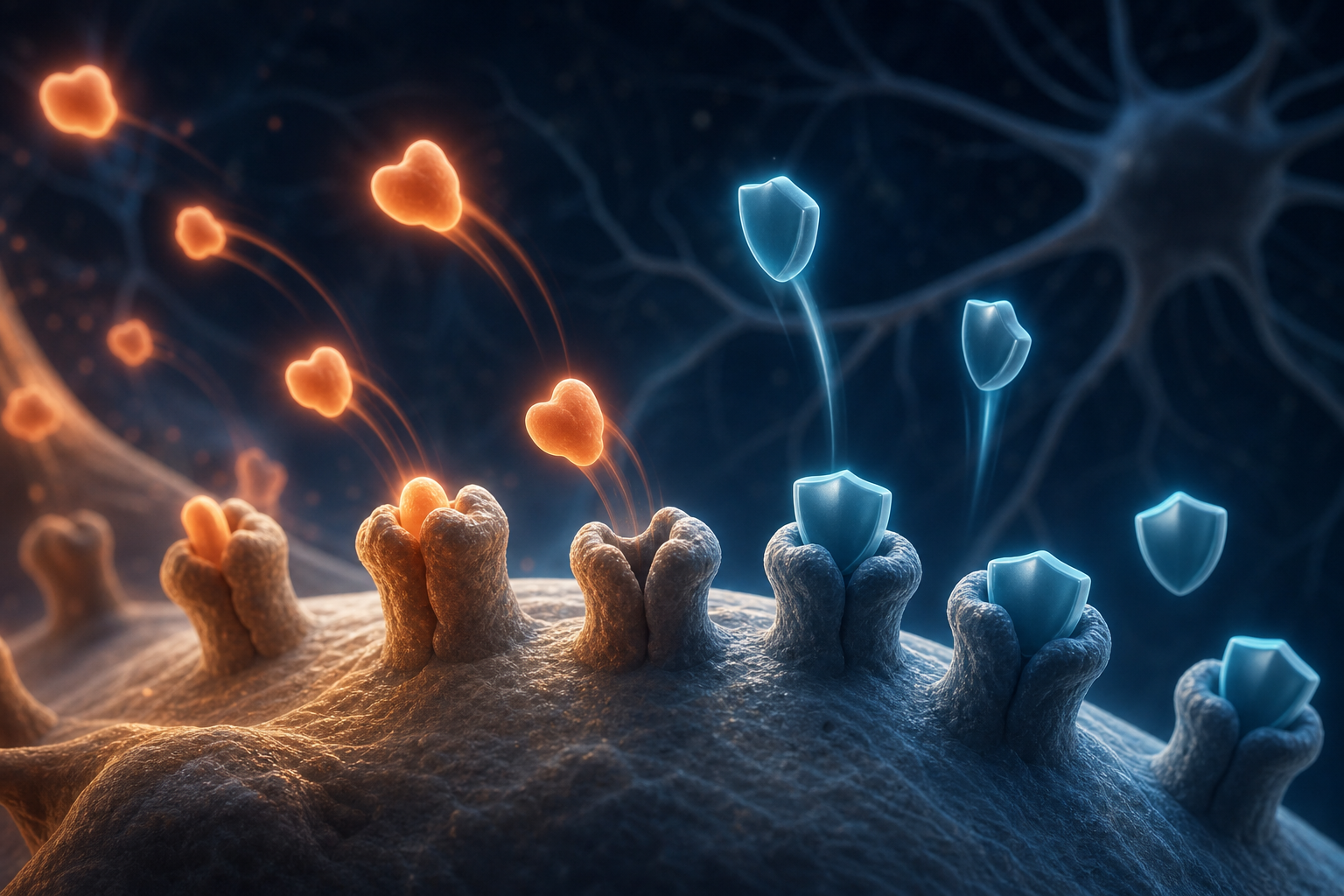
As explained in naltrexone vs naloxone comparisons, naltrexone has a higher binding affinity for opioid receptors than most opioid agonists. It doesn't wait in line; it pushes out whatever is already there.
Patients should typically stop use of short-acting opioid agonists for 7 to 10 days and long-acting opioids for 10 to 14 days before starting naltrexone.
Guessing is not worth the risk. A clinician can help confirm readiness before you take the first dose.
What to Avoid When Taking Naltrexone
Certain foods and medications to avoid with naltrexone can interfere with it or create safety risks:
- Opioid-containing medications, including prescription painkillers and cough syrups with codeine. Naltrexone blocks their effects, making them ineffective for pain relief or cough suppression, and combining them risks precipitated withdrawal if you've recently used opioids.
- Kratom. It acts on the same opioid receptors naltrexone blocks, so the two work against each other. If you use kratom, tell your clinician before starting.
- Large amounts of alcohol. Naltrexone dulls the reward signal from drinking, but it does not protect your liver or prevent intoxication. You can still get drunk, and your liver still takes the hit.
Always tell emergency medical providers that you take naltrexone. If you need emergency surgery or pain management, standard opioid-based medications won't work while naltrexone is active. The prescription label includes a medical alert note for exactly this reason, so ER staff can choose appropriate alternatives.
These same precautions apply at low doses. LDN users should disclose everyday vitamins and supplements to their clinician as well, since interactions aren't always obvious at any dose.
How Onir Prescribes Naltrexone for Alcohol Use
We prescribe FDA-approved generic naltrexone hydrochloride 50 mg tablets for people who want to drink less or stop entirely. The process starts with a 15 to 20 minute online intake, followed by a clinician review, typically within 24 hours, through a secure asynchronous text-based chat. If approved, medication ships to your door in plain, unmarked packaging.
The subscription runs $99 a month, billed as $297 every 90 days, with medication and clinician care included. Because we're self-pay, there's no insurance claim record, which matters if you'd rather keep treatment private.
Most members notice cravings start to quiet within 10 to 14 days, part of the broader naltrexone work timeline. If you have questions about half-life, timing, or anything else covered here, your clinician is reachable through the patient dashboard whenever you need them.
Final Thoughts on How Long Naltrexone Lasts in Your Body
Most of the math comes down to which form you take and how your liver handles it. Oral tablets clear in days. The injection takes weeks. If you have questions about timing, opioid safety windows, or side effects, bring them to your prescriber so you can build a dosing schedule that actually works for you.
FAQ
How long does 50 mg naltrexone stay in your system after stopping?
About 72 hours. The parent drug clears within roughly 24 hours (half-life of ~4 hours), but its active metabolite, 6-beta-naltrexol, has a 12-hour half-life and can linger for 2 to 3 days. During that window, some degree of opioid receptor blockade continues even after the naltrexone itself is gone.
Does naltrexone make you sick if you drink?
No. Naltrexone is not disulfiram (Antabuse), which causes nausea and flushing when mixed with alcohol. On naltrexone, you can still drink physically — the rewarding buzz just feels muted, so alcohol becomes less interesting over time. You won't feel punished for having a glass of wine; it simply won't hit the same way.
Best telehealth option for naltrexone if I don't want to use insurance?
Onir is built for exactly this. The entire process — clinician review, prescription, and medication delivery — is self-pay ($99 a month, billed as $297 every 90 days), so there's no insurance claim record and nothing showing up in your medical history. Most members are approved within 24 hours and have medication shipped in plain, unmarked packaging.
Can I just stop taking low dose naltrexone, or do I need to taper off?
Because LDN doses (typically 1.5 to 4.5 mg) are so small and the half-life is around 4 hours, the drug clears your system in well under 24 hours. There's no known physical dependence at these doses, so most practitioners say you can stop without a formal taper — but it's always worth confirming with your prescribing clinician before making changes.
When is the best time of day to take naltrexone for alcohol?
Pick a consistent time and stick with it — that matters more than the specific hour. Many people choose mornings so peak plasma levels line up with evening social drinking. If you follow The Sinclair Method instead of daily dosing, take it 1 to 2 hours before you plan to drink.
How long does naltrexone block opiates after a single 50 mg dose?
A single 50 mg dose blocks opioid effects for 24 to 72 hours, depending on individual metabolism. The active metabolite 6-beta-naltrexol continues occupying opioid receptors even after the parent drug clears, which is why the blockade outlasts naltrexone's roughly 4-hour half-life.
Does naltrexone build up in your system with daily dosing?
The parent drug does not accumulate meaningfully. However, its active metabolite, 6-beta-naltrexol, can reach slightly higher steady-state levels during daily use because its 12-hour half-life means each new dose adds to what hasn't fully cleared yet. The increase is modest and well-tolerated for most people.
What is the half-life of low dose naltrexone compared to the standard 50 mg tablet?
The half-life is the same — around 4 hours — because it's the same molecule. The difference is the amount: at 1.5 to 4.5 mg, LDN clears your system in well under 24 hours, while a full 50 mg dose and its metabolite can take up to 72 hours to fully clear.
How long does 25 mg of naltrexone last compared to 50 mg?
A 25 mg dose follows the same half-life curve as 50 mg, but with less drug to process. Expect meaningful opioid receptor blockade for roughly 24 hours at 25 mg, compared to up to 72 hours at the full 50 mg dose. Many clinicians use 25 mg as a starter dose for the first several days to ease side effects.
Will naltrexone show up on a drug test at work?
No. Naltrexone is not a controlled substance and does not appear on standard 5-panel or 10-panel workplace drug screens. Those tests look for opioid agonists, amphetamines, and similar substances — not opioid antagonists. Detecting naltrexone requires a specialized assay ordered specifically for that purpose.
What should I avoid when taking naltrexone?
Avoid opioid-containing medications (including codeine cough syrups), kratom, and excessive alcohol. Naltrexone blocks opioid effects, making those medications ineffective, and kratom acts on the same receptors. You should also tell any emergency medical provider that you take naltrexone, since standard opioid-based pain management won't work while it's active.
How long do naltrexone side effects last when you first start?
Most common side effects — nausea, headache, fatigue, dizziness — are mild and fade within the first one to two weeks. Taking the tablet with food helps with nausea, and starting at 25 mg for several days before moving to 50 mg can make the adjustment smoother. If side effects persist beyond two weeks, raise it with your clinician.
50 mg naltrexone for alcohol vs opioid use — does it stay in your system differently?
No, the drug clears at the same rate regardless of what it's prescribed for. The half-life is about 4 hours for naltrexone and 12 hours for its active metabolite. What differs is the safety planning: people transitioning from opioids need to be opioid-free for 7 to 10 days before starting, while those using it for alcohol can typically begin right away.
How long does naltrexone block alcohol's effects per dose?
A single oral dose mutes the endorphin-driven reward from drinking for roughly 24 hours. That's why daily dosing is the standard approach — each tablet covers one day's window. Some people following The Sinclair Method take it 1 to 2 hours before drinking on an as-needed basis and get a similar duration of effect per dose.
Why is my naltrexone not working, and how long should I give it?
Most people notice the pull of alcohol weakening within 10 to 14 days, but some need longer. Common reasons it may feel ineffective include inconsistent dosing, not taking it long enough, or expecting it to make alcohol taste bad (it doesn't — it mutes the reward signal, which is subtler). If you've been consistent for several weeks and see no change, bring it up with your clinician so they can adjust the approach.
The science behind Onir has been covered by
82%
drinking less within two weeks
30+ yrs
FDA-approved & clinically studied
1,200+
clinical studies behind it
$99
per month, shipped discreetly
In their words
“I set one alarm for 5 p.m. and stopped thinking about it. Three weeks later the second glass just wasn't interesting anymore. No willpower involved.”
Individual results vary.
A quieter next step, when you want one
If practical changes have not been enough, a licensed clinician can review the rest privately. It doesn't commit you to anything.
60 seconds · 11 questions · Fully refunded if you're not approved