Sleep
Why alcohol wakes you up at 3 a.m.
The split-night pattern is common: fast sleep, then a restless 3 a.m. wakeup. Here is why alcohol can do that and what to test first.

By Dr. Sarah Mitchell, MD
Medically reviewed by Sarah Mitchell, MD
The short answer
Alcohol can make sleep feel easier at first, then make the second half of the night more restless. Reviews have found that alcohol can shorten the time it takes to fall asleep, while increasing sleep disruption later in the night. NIAAA notes that people may fall asleep faster after drinking but wake earlier because sleep is fragmented.
A licensed clinician reviews every assessment. 60 seconds, no card needed.
The pattern is usually not random
A lot of people know this version of the night.
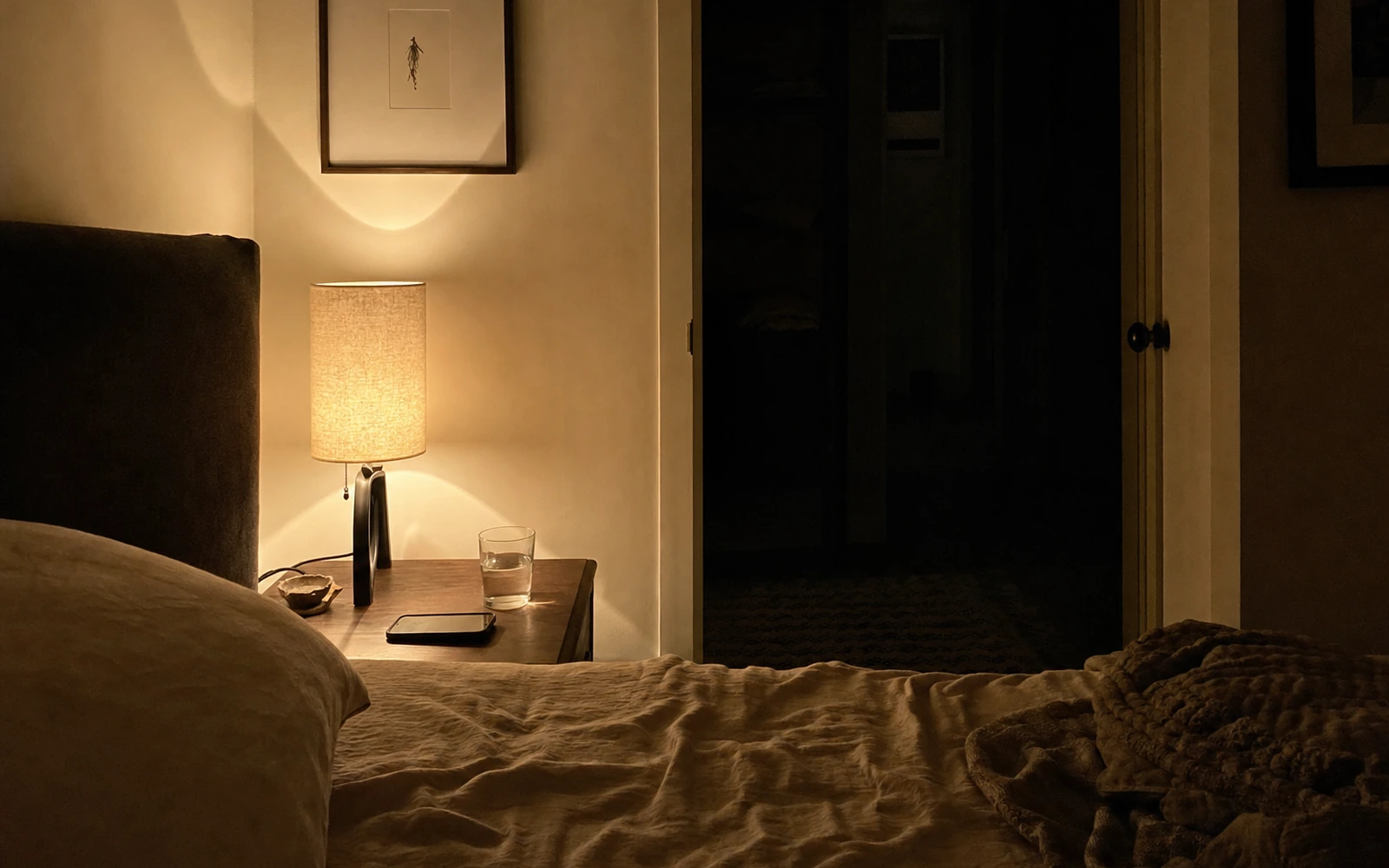
You fall asleep quickly. Maybe too quickly. Then, around 2:47 or 3:18, your eyes open and your mind is already moving. You check the clock. You feel warm, thirsty, a little annoyed. The house is quiet, but your body is not.
That does not mean one glass of wine is the only possible reason. Sleep is messy. Stress, hormones, room temperature, dinner timing, and caffeine can all show up at 3 a.m. But alcohol is a common reason the night feels split in two.
Why drinking can make the first half of sleep feel easier
Alcohol is sedating at first. That is part of why the evening drink can feel like a shortcut. The edge comes off. The body gets heavier. The day feels farther away.
That first effect can hide the problem. If you judge the drink only by how fast you fall asleep, it may seem like it is helping.
The issue often shows up later.
Why the second half of the night gets lighter
As alcohol clears from your system, sleep can become more fragmented. Reviews of alcohol and sleep have found more disruption later in the night.
That can feel like:
- waking earlier than you wanted
- sweating or feeling warm
- needing water
- needing the bathroom
- waking with a busy mind
- feeling tired even after enough hours in bed
The frustrating part is that the drink may still feel connected to sleep because it helped you fall asleep. But falling asleep and staying asleep are different jobs.
Why wine can be especially easy to miss
Wine does not always announce itself as the problem. It sits inside dinner, cooking, cleanup, a show, a book, a quiet hour after everyone else needs something from you.
That makes it feel less like a decision and more like scenery.
One glass becomes two because the bottle is open. Two becomes normal because the night has a rhythm. Then the morning starts carrying the cost.
Not a disaster. Just data.
What to try before you make a big rule
You do not need to redesign your life to learn something useful. Try a small test for seven nights.
Choose one variable:
- stop drinking at least three hours before bed
- pour one glass and put the bottle away
- switch the second glass to sparkling water in a wine glass
- take two weeknights off and compare sleep
- write down wake time, not feelings about it
Keep it boring. The goal is to see whether your sleep changes when the evening changes.
If the 3 a.m. wakeup is the thing that bothers you most
Some people want fewer drinks. Some want better mornings. Some want both.
That distinction matters because it makes the goal more practical. You are not trying to become a different person. You are trying to find out whether the evening habit is taking too much from the next day.
If cutting back keeps turning into a negotiation with yourself, private medical support may be worth considering. Onir starts with a short written assessment reviewed by a licensed clinician. No video call. No public declaration.
When to get medical input first
If you drink heavily every day, wake up shaky, sweat through the night, feel panicky without alcohol, or have a history of withdrawal symptoms, do not make abrupt changes without medical guidance. A clinician can help you decide what is safe.
References
Keep reading
Lifestyle
How to cut back on wine at night without making it a whole identity
A better plan for the 6 p.m. pour.
ReadSleep
Wine, perimenopause, and sleep
If the same glass now costs more sleep than it used to, you are not imagining it. Start with the pattern, not the guilt.
ReadGuides
How to drink less alcohol at home
Home is where drinking can become automatic. The fix is usually a better setup, not a louder promise.
Read
See if Onir is a fit — reviewed by a licensed clinician
A licensed U.S. clinician reviews your written assessment. No video call. Refunded if you are not approved.
60 seconds · 11 questions · Fully refunded if you're not approved